


 Online Reporter
Langton Nyakwenda
Zimpapers Sports Hub
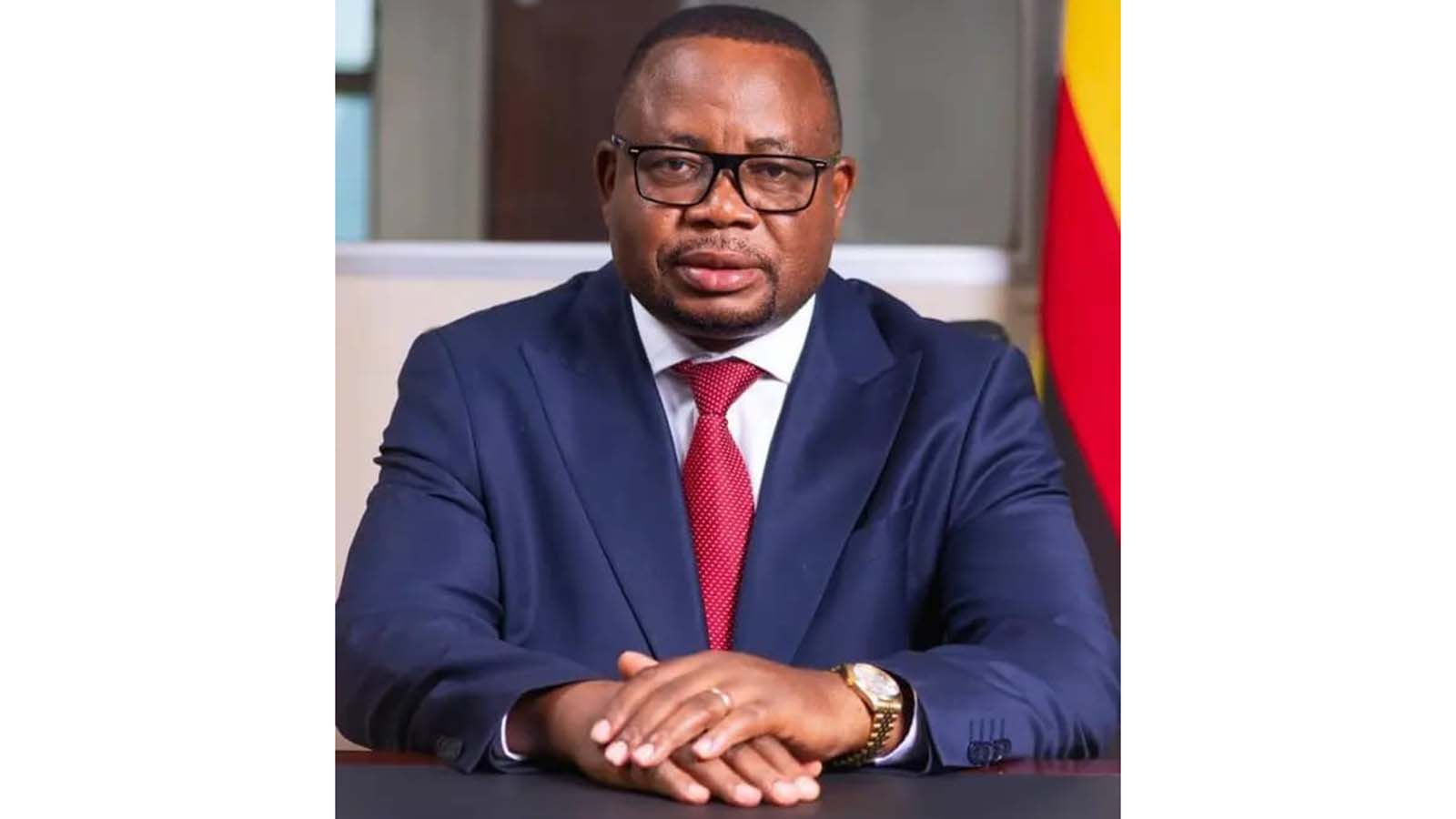
ZIFA president Nqobile Magwizi says despite inheriting an organisation weakened by years of instability, he believes his executive committee has the capacity to restore integrity and usher in a new era of football excellence for the country.
Following their election into office on January 25, Magwizi’s leadership recently clocked the first 100 days of their four-year tenure in office, amid high expectations from a nation that is passionate about its flagship sport.
It has been a whirlwind first 100 days for Magwizi, who has travelled around some of the country’s provinces and to several countries in search of partnerships and a better appreciation of what is needed to turn the corner at ZIFA.
The Harare businessman visited Morocco, where he secured a deal with the Moroccan Football Federation; and South Africa, where he met with SAFA president Danny Jordaan and his crew with a view to strengthening collaborations between the Southern African neighbours.
CAF-certified stadium
On Friday, the ZIFA executive gave an insight on how the first 100 days have been for them.
“It is a moment not only to celebrate our early achievements, but also to affirm our collective resolve to restore integrity, transform football administration and usher in a new era of excellence for Zimbabwean football,” said Magwizi.
“Our journey began with a resounding mandate from the football fraternity following the historic election on January 25, 2025. That mandate came with clear expectations: to rebuild a broken institution, restore trust and create a transparent, inclusive and results-oriented ZIFA.”
ZIFA’s new leadership is guided by a bold vision anchored in pillars that include commercialisation of the game and investment in infrastructure development.
He remains worried about the absence of a CAF-certified stadium in the country and has been working with the Government to ensure refurbishment work at the National Sports Stadium is completed in time for the Warriors’ next major home assignment in September.
“We inherited an organisation weakened by years of instability, disillusionment and fractured relationships with stakeholders.
“Yet, despite the challenges, we embraced the opportunity with conviction, guided by our belief that Zimbabwean football can rise again stronger, cleaner and more professional.
“From the onset, our team articulated a bold vision in our campaign manifesto titled ‘More Than A Game’, built on key catalytic pillars, which are building a strong and accountable institution, forging meaningful partnerships, commercialising football sustainably and investing in infrastructure and technology.”
Soon after assuming office, the ZIFA executive committee launched a nationwide stakeholder outreach programme.
“These engagements reaffirmed our commitment to inclusive leadership and accountability,” he said.
“In line with our institutional reform agenda, we established 15 standing committees, ensuring they are composed of credible, qualified and diverse individuals, with meaningful gender representation.”
He also prioritised governance reforms, including a full financial audit conducted by Grant Thornton “to produce a clear statement of affairs as of January 31, 2025”.
“This marks a new chapter of fiscal discipline, transparency and financial integrity at ZIFA.”
ZIFA’s early engagement with FIFA in February also laid the groundwork for the association’s four-year strategic plan.
Magwizi, however, believes every Zimbabwean, including councillors, who were previously ignored by former executives, has a role to play in rebuilding local football.
“We are committed to maintaining open channels that allow members to contribute meaningfully to policy development and programme design. Football decisions must be participatory and locally informed. This also enhances the devolution of development programmes, which, unlike in the past, will not be centralised at head office but implemented across all 10 provinces,” he added.
He also highlighted the significance of improved welfare for national teams, both men and women.
Bold decisions
“We understand that some corporate partners may still be hesitant, given ZIFA’s battered image in the past. But we urge them to give this new era a chance; we assure them they won’t regret partnering with the association.
“On the pitch, we have already improved player welfare. Notably, the allowances for the senior women’s national team were increased ahead of their tours to Angola and South Africa, reflecting our deep commitment to gender equality and player support.”
He acknowledged that the turnaround bid of ZIFA would not be easy but underscored the executive committee’s commitment to achieving their mission.
“The reform journey is far from over. It will require bold decisions, consistent policy choices and institutional strengthening. Without a foundation of transparency and accountability, progress cannot be sustained,” he said.
“But with the support of our stakeholders, clubs, regions, Government, fans, media and international partners, we will stay the course. As we look ahead, I want to assure all Zimbabweans that this executive committee is unwavering in its determination.
“The task of transforming Zimbabwean football is immense, but not insurmountable.”
Magwizi and Warriors coach Michael Nees recently toured Europe to engage Zimbabwean players born in the diaspora.
“We are clear-eyed about the challenges and confident in our capacity to overcome them through hard work and belief in our people.
“This transformative journey will, at times, require patience from stakeholders as we seek to balance elite performance with long-term development,” he added.
“It has been a promising start to a renewed football journey for Zimbabwe. As we seek to re-emerge as a force in the COSAFA region and across the continent, the signs are hugely encouraging.
“Let the next 100 days, and beyond, reflect even greater ambition and measurable progress.
“Zimbabwe’s footballing future is bright and together we will make it a reality. The best days of Zimbabwean football lie ahead.”


 Online Reporter