Online Reporter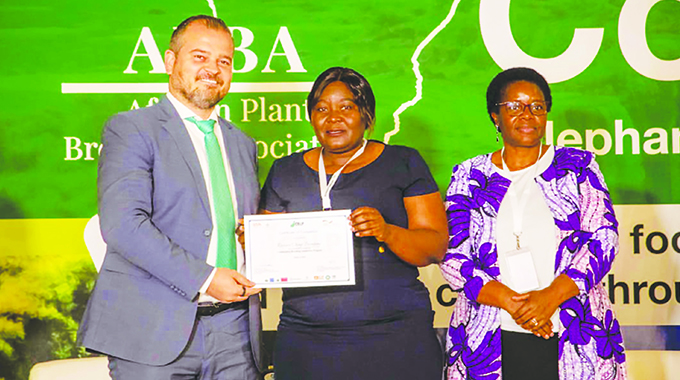
Rutendo Nyeve, Victoria Falls Reporter
A PROUD moment for Zimbabwe’s agricultural sector was marked by the continental recognition of Ronica Mukaro, a dedicated maize breeder from the Crop Breeding Institute under the Ministry of Lands, Agriculture, Fisheries, Water and Rural Development. Mukaro was one of 12 distinguished African plant breeders to graduate from the Collaborative Breeding Leadership Programme (CBLP), an intensive initiative designed to develop leadership, management, and strategic communication skills among mid-career professionals.
The rigorous 18-month programme drew fellows from eight African countries and concluded with a graduation ceremony held on Wednesday in Victoria Falls, alongside the fourth African Plant Breeders Association (APBA) Conference.
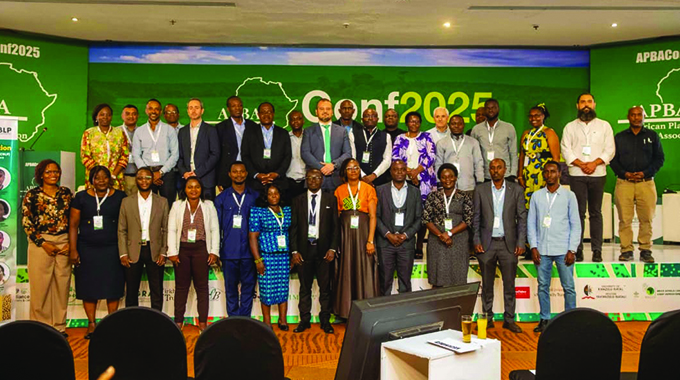
Presiding over the event, Deputy Minister Vangelis Haritatos emphasised the importance of such initiatives in securing the continent’s long-term food security.
“My ministry appreciates this very important science leadership development programme which focuses on plant breeders in Africa. The realisation that technical skills alone are not enough and that there is need to mentor and build a new generation of plant breeding science leaders who can drive collaboration and innovation is a welcome development,” he said.
Deputy Minister Haritatos also reaffirmed the Government’s commitment to youth involvement in agricultural innovation.
“On the Government side, we are very keen on having young people in this space. Food security means everything to us. Having these young graduates taking up leadership in plant breeding is critical for advancing our agricultural agenda. This may look like a small graduation, but its real benefit is massive — not only for Zimbabwe, but for Africa as a whole,” he said.
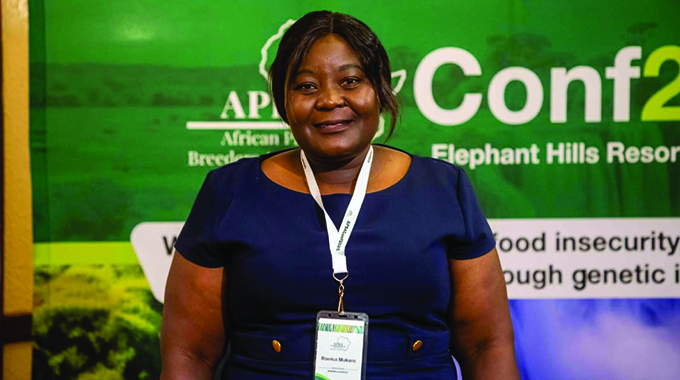
Mukaro expressed her pride in representing Zimbabwe and reflected on the personal and professional growth she experienced throughout the programme.
“This programme saw breeders from national programmes being mentored by senior scientists from CGIAR centres, universities, and research institutes,” she said.
She credited her mentor, Dr Dan Makumbi of the Consortium of International Agricultural Research Centres (CGIAR) in Nairobi, for helping her refine her technical and analytical skills.
“As a breeder, I thought I knew everything, but mentorship showed me new ways of improving my trials and selection methods. I have already started applying these improved techniques in my breeding programme,” Mukaro said.
Beyond technical training, Mukaro highlighted the leadership and teamwork skills she gained.
“I learnt that leadership is about valuing every team member, whether junior or senior. I also learnt the importance of truly knowing your breeding material, as this determines the success of your selections,” she said.
She further noted that the programme had strengthened collaboration across Africa’s agricultural research community.
“I’ve connected with many scientists across the continent, from breeding to product delivery, which will benefit Zimbabwe’s national breeding programmes going forward,” she said.