

 admin
admin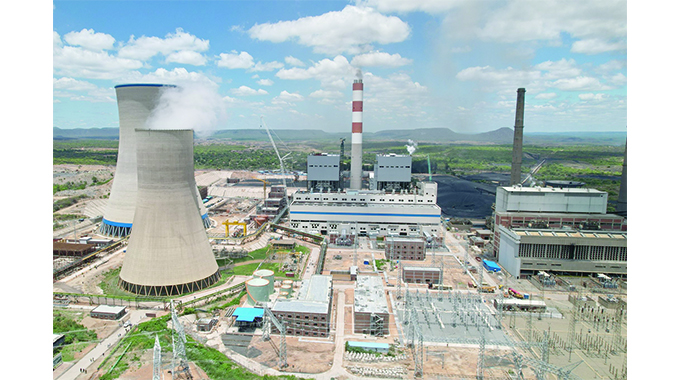
Africa Moyo, Harare Bureau
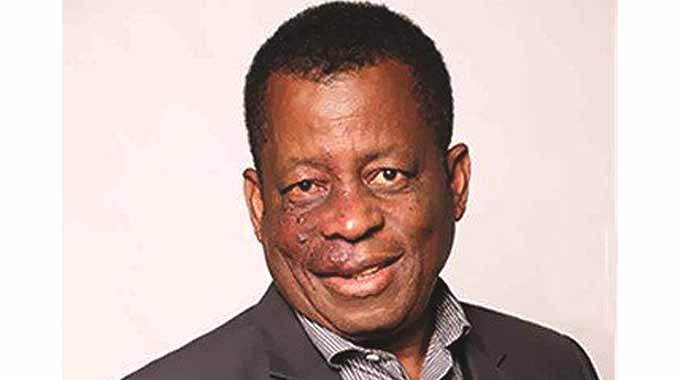
Efforts to reduce load shedding considerably are bearing fruit with Zimbabwe soon to get up to 500MW of electricity from Zambia and Mozambique, while Hwange Power Station’s Unit 7 should be feeding 300MW into the grid before month end, Zesa Holdings executive chairman Dr Sydney Gata said in an exclusive interview.
Owing to low water levels at Lake Kariba and aged thermal power stations, the small ones with equipment now 72 years old and even Hwange more than 34 years old, Zimbabwe is battling massive electricity outages, with some people saying they only have power between 10PM to 5AM.
However, electricity outages are not peculiar to Zimbabwe as large parts of the region, including powerhouse South Africa, contend with load shedding stretching up to 10 hours per day in some cases.
But Dr Gata said Zimbabwe has been busy working on measures to address the electricity challenges, and a huge difference in terms of the load shedding schedule, would soon be noted across the country.
“As for the current load shedding, there is relief that is coming. We ran around and apart from getting a bit more from Kariba, we will be getting a bit more from Zambia and Mozambique,” said Dr Gata.
“From Zambia we are getting 100MW and they are looking for another 50MW for us and there is also a member of the Intensive Energy Users Group who is also looking for another 100MW. So we may get as much as 250MW from Zambia.
“From Mozambique I was there recently and we agreed that they will run around and increase from the 60MW they have been giving us, to 100MW immediately, and there is another 150MW which could be coming from Monday next week. So Mozambique should give us 250MW maximum.”
All things being equal, Dr Gata expects to go to Mozambique tomorrow to escalate the negotiations.
More electricity is expected to come from Hwange’s Unit 7, which is expected to start feeding electricity into the grid before month end. If all goes according to plan, Unit 7 should be connected to the grid a few days before Christmas, said Dr Gata.
“The unit itself, in terms of operating, is actually ready to generate. However, there was a delay in equipment required to connect it to the grid,” he said.


 Online Reporter
 derick.khumalo