Online Reporter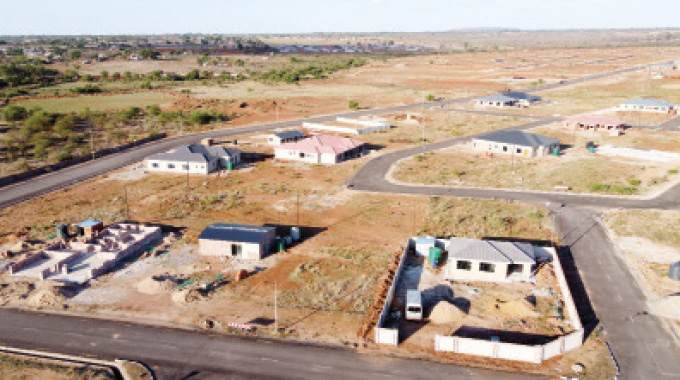
Remember Deketeke, Harare Bureau
GOVERNMENT will develop and implement a comprehensive Urban Policy during the National Development Strategy 2 (NDS2) period to transform Zimbabwe’s cities into inclusive, safe, resilient and sustainable human settlements.
The initiative is a key pillar of National Development Strategy 2 (NDS2), Government’s medium term development programme for 2026-2030, which was launched last year and places health at the centre of national socio economic transformation.
The policy, which aligns with the United Nations Human Settlements Programme’s New Urban Agenda and Sustainable Development Goal 11, will focus on modernising urban areas through smart technologies, sustainable development practices and improved access to essential services.
During the launch of NDS2, President Mnangagwa described the Urban Policy as a critical pillar in the country’s drive towards orderly urban growth and an improved quality of life.
“During NDS2, the Government will develop and implement a comprehensive Urban Policy in line with the New Urban Agenda, which seeks to make cities and human settlements inclusive, safe, resilient and sustainable,” reads the document.
The policy will target the transformation of all urban centres through the integration of innovation, environmental sustainability and universal access to basic services such as housing, water, sanitation, transport and energy.
“The Urban Policy will be targeted at transforming all our urban areas by integrating smart technologies, sustainable development practices and environmental sustainability, while ensuring universal access to essential services,” reads the statement.
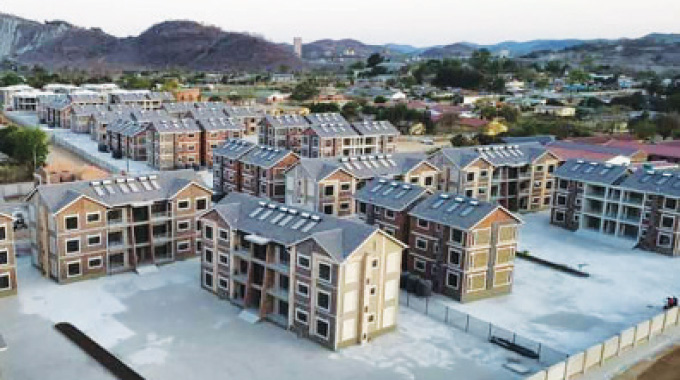
A major thrust of the policy will be the renewal and regeneration of ageing and dilapidated urban infrastructure, particularly in central business districts where buildings have become increasingly underutilised. The document states that Government will prioritise the repurposing of underused high rise buildings and promote mixed use developments to revitalise city centres.
“We will focus on the renewal and regeneration of outdated urban infrastructure, including repurposing underutilised high rise buildings in central business districts and creating mixed use developments that contribute to vibrant and sustainable cities,” reads the document.
Under NDS2, Government will also promote urban densification as a key strategy to address population growth, land scarcity and urban sprawl, while simultaneously enhancing the aesthetic appeal of towns and cities.
The document states that all new urban developments will be guided by densification principles, in line with the National Human Settlements Policy launched in 2020.
“Urban densification will be promoted to optimise land use in urban and peri-urban areas in response to population growth and land scarcity. This approach will also enhance the aesthetic appeal of our cities and towns,” reads the NDS2.
As part of the densification drive, open spaces and derelict structures will be redeveloped into high rise and multi-storey buildings, including modern flats, cluster housing and mixed use commercial developments.
“These measures will ensure efficient land utilisation, reduce urban sprawl, modernise cityscapes and facilitate sustainable urban growth.”
NDS2 also places strong emphasis on innovation and smart construction, with Government promoting efficient, low cost and modern building methods such as prefabrication and modular housing.
The strategy will prioritise scaling up the production of locally produced building materials and construction models that are affordable and suited to Zimbabwe’s conditions.
“Efficiency, low cost and modern construction methods will be promoted. Emphasis will be placed on scaling up domestic building materials, designs and delivery models that are cost effective and tailored to our national context.”
The urban development reforms outlined under NDS2 are expected to play a decisive role in addressing housing shortages, improving urban planning and positioning Zimbabwe’s cities for sustainable growth over the strategy period.