Chronicle Editor
Thandeka Moyo-Ndlovu, Gender
PEOPLE with disabilities account for 10 percent of the country’s population and yet only a handful of them are in decision-making positions due to stigma.
The outbreak of the Covid-19 pandemic has worsened their plight, leaving thousands with no access to basics like food hence their leadership and political aspirations have become improbable.
On Monday Zimbabwe joined the rest of the world in commemorating the International Women’s Day (IWD) amid calls for policymakers to make the political environment conducive for women with disabilities.
Ms Sukoluhle Mhlanga who represents young women with disability in the Women’s Coalition, said women with disabilities are not anywhere close to politics as members of the public still believe they are a curse from angry gods hence they cannot lead in anything.
“As a disability activist our greatest challenge remains misconceptions and beliefs that people still hold about us. The few women with disabilities that are in leadership were given those roles just to fulfil policy and mislead people into believing that people with disabilities are represented in different bodies,” says Ms Mhlanga.
She said many people believe people with disabilities are a charity case and as such even if they are capable to lead and participate in politics, they are not given chance.
“We need to change perceptions on people with disabilities especially women so that they are able to actively take leadership positions,” said Ms Mhlanga.
She said the Covid-19 pandemic has worsened gender inequalities.
Ms Soneni Gwizi, a gender and disability activist, said achieving an equal future in a Covid-19 world needs combined efforts from policymakers and members of the public.
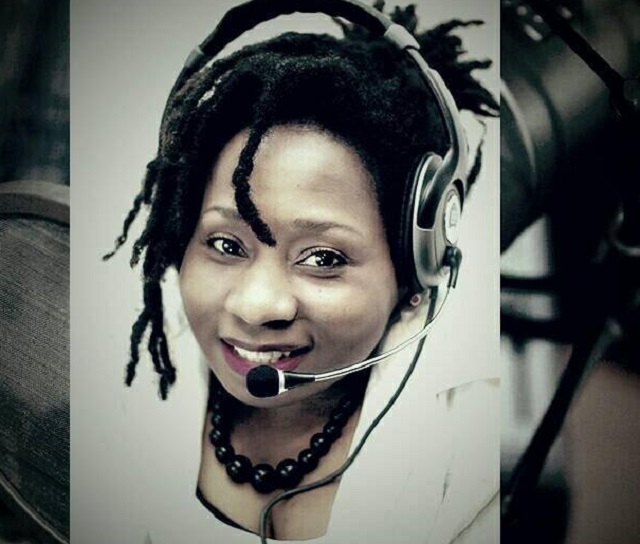
“Celebrating International Women’s Day as a woman leader with a disability under Covid-19 is a very sad moment. I am reflecting on how most women with disabilities have been sidelined in leadership opportunities, education, health access, employment and social interaction,” said Ms Gwizi.
“This has been worsened by the Covid-19 pandemic. However, I’m encouraging society to push for inclusion in all societal sectors in order for future celebrations to be more meaningful for women with disabilities. We need mentorship programmes for women with disabilities.”
Ms Gwizi said in order to achieve this people need to get rid of the charity model which is used by most sectors when promoting issues of women with disabilities.
“We have the women and we are celebrating the few that have reached the top but we can do more,” she said.
Ms Alice Chimwanza who represents women with disabilities says the global pandemic worsened their conditions as many are now struggling to access food.

“Society is still discriminatory and the only things we are known for is to sell wares which is our only source of income. With lockdowns we were forced off the streets and now we live off handouts,” says Ms Chimwanza.
“It is difficult to discuss how we can take up leadership positions when we do not know where the next meal is going to come from. We wish for an inclusive environment where we are considered and then we can talk about celebrating women’s day. At the moment we do not feel like we are treated like every Zimbabwean woman.”
Ms Margaret Saungweme from the National Council of the Disabled said lockdown regulations made it hard for her to eke a living as she relies heavily on plaiting people and selling wares on the streets.
She said using a wheelchair caused a lot of problems as she could not easily access buses when she needs to buy food for her family.
“We have been grounded since lockdown came into effect last March and I struggle to access clients as I also do hairdressing to supplement my income. Now I cannot even afford data to participate in Zoom meetings or even WhatsApp hence we have been left behind. I heard Cabinet has approved a Disability Bill but I haven’t seen it because I need data to be able to access and even make recommendations to Parliament,” says Saungweme.
In a statement, the Zimbabwe Gender Commission said systemic barriers to women and girls’ participation and representation in leadership and decision-making positions persist even globally.
“Statistics show that women and girls continue to be denied opportunities to take up leadership positions in socio-cultural, economic and political spaces despite constitutional guarantees. This is also a time for institutions to introspect and consider meaningful ways of promoting women into leadership and decision-making positions,” said the commission.
It said it is common cause that in any pandemic, the vulnerable groups of women and girls, the elderly and persons with disabilities, among others, are more affected as they lack voice, choice and control over their destiny. — @thamamoe



 Online Reporter