admin
admin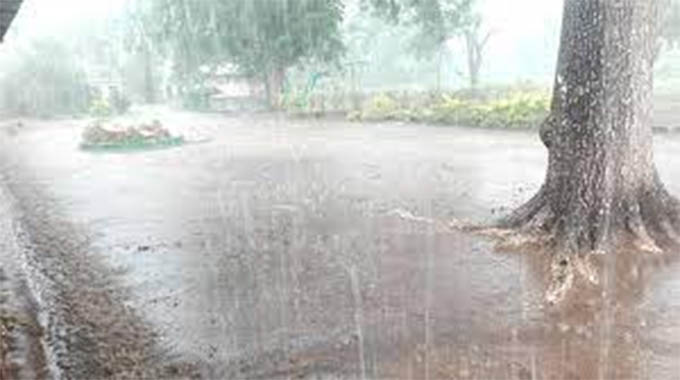
Professor Charles Pfukwa, Correspondent
THE Meteorological Services Department (MSD) has forecast decent rains between now and March, signalling a window of opportunity to boost agricultural productivity and secure livelihoods.
However, rains alone are not enough to guarantee success.
It is innovation, foresight and a commitment to sustainable practices that will make this rainy season into a season of abundance.
Farming in the 21st Century demands a shift from traditional approaches to methods that embrace creativity. The modern farmer must be both a scientist and a strategist, analysing weather patterns, optimising resources, and planning for the future.
The forecast of decent rains offers the chance to implement innovative techniques that will not only maximise yields but also ensure long-term sustainability.
This is the time to think beyond the immediate season and to consider how we can mitigate the challenges that often accompany periods of good rainfall, such as flooding, erosion, and the uneven distribution of water.
One critical area requiring urgent attention is water harvesting.
As rains fall, significant volumes of water are often lost to run-off, carrying away valuable topsoil and leaving fields parched when the rains subside.
By prioritising water harvesting, farmers can capture and store rainwater for use during dry spells, ensuring that their crops and livestock remain hydrated and productive.
Techniques such as constructing dams, digging trenches, building contour ridges, or even using simple rain barrels can make a significant difference.
These methods not only conserve water but also prevent soil erosion, preserving the land for future planting seasons.
Innovation must also extend to the selection of crops and farming practices.
With the availability of decent rains, farmers should consider planting drought-tolerant and early-maturing crop varieties that thrive under diverse conditions.
Rotational cropping, inter-cropping and the use of organic fertilisers can enhance soil fertility and improve yields.
For those in animal husbandry, ensuring that grazing areas are replenished and that adequate water points are created will be crucial to maintaining healthy livestock.
Furthermore, embracing technology is no longer optional; it is essential. Mobile apps, online platforms and weather forecasting tools provide farmers with access to real-time data and market trends. By leveraging these resources, farmers can make informed decisions about planting, harvesting and selling their produce.
Partnerships with agricultural extension officers and organisations can also offer valuable insights and support. Innovation is not just about adopting new tools; it is about finding better ways to achieve goals, from increasing productivity to reducing costs.
Collaboration within the farming community is another key to success.
Sharing knowledge, resources and experiences can lead to collective progress. Farmer groups and cooperatives can pool resources to invest in shared water harvesting systems, equipment and storage facilities.
While the promise of decent rains is a reason for optimism, it is important to remain vigilant.
Climate change continues to pose significant challenges, with unpredictable weather patterns becoming the norm rather than the exception. The ability to adapt and innovate will determine who thrives and who struggles in this rapidly changing environment.
As custodians of the land, farmers hold the key to the nation’s food security and economic stability.
By embracing innovation and prioritising water harvesting, they can ensure that the rains we receive today translate into prosperity tomorrow. This is the time to act, to plant the seeds of progress, and to nurture them with wisdom and determination. -The Patriot



 Online Reporter