Online Reporter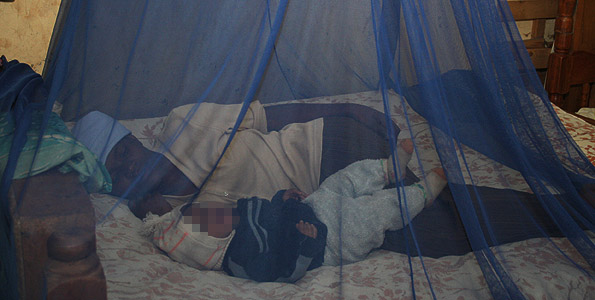
Dr Tendai Zuze
Health Matters
MALARIA remains one of the most common illnesses in Zimbabwe, especially during and after the rainy season.
Many families are affected every year, and almost everyone knows someone who has had malaria.
Despite this, it is still a serious disease that can become dangerous if not treated early.
Malaria is spread by the bite of an infected anopheles mosquito. These mosquitoes usually bite at night, which is why people are more at risk when they sleep without protection.
The mosquito breeds in standing water, so cases tend to increase after rains when there are more places for mosquitoes to multiply.
In most cases, malaria starts like a simple illness.
A person may develop a fever, headache, body pains, chills, and sweating. Many people also complain of feeling very weak and tired. Some may have nausea, vomiting, or loss of appetite. Because these symptoms are common and can look like flu, people often ignore them or try to manage at home.
This delay is what makes malaria dangerous.
If not treated early, the illness can worsen. A person may become very weak, confused, or drowsy. Some may start vomiting everything they eat or drink, making it difficult to take medication. In children, malaria can cause convulsions(fits). When these signs appear, the condition becomes serious and needs urgent medical attention.
The good news is that malaria is treatable, especially when discovered early. When someone develops a fever, it is important to go to the clinic as soon as possible.
Testing is simple and quick, and treatment can be started immediately. The most commonly used treatment is Artemether-lumefantrine, which is very effective when taken correctly.
It is important to complete the full course of medication, even if you start feeling better after a few doses. Stopping treatment early can lead to the illness coming back.
Preventing malaria is just as important as treating it. One of the best ways to prevent malaria is by sleeping under a mosquito net every night. This is especially important for children and pregnant women. Even if there seem to be few mosquitoes, it is still important to use a net because bites often happen at night when people are asleep.
Reducing mosquitoes around the home also makes a big difference. Mosquitoes breed in standing water, so it is important to empty any containers that collect water, such as buckets, old tyres, tins, and drums. Water that collects around the yard after rain should be drained where possible. Keeping the yard clean and cutting long grass can also help reduce places where mosquitoes hide.
Simple habits can go a long way in preventing malaria.
Closing doors and windows early in the evening can reduce mosquitoes entering the house. Wearing clothes that cover the body in the evening can also help, especially for those who spend time outdoors at night.
It is also important to avoid relying only on home remedies when malaria is suspected. While some remedies may help with symptoms, they do not treat the infection itself. Delaying proper treatment can allow the disease to become severe.
The most important message is to act early. Fever should never be ignored, especially during the rainy season. Many of the serious complications of malaria happen because people wait too long before seeking help. Early testing and early treatment can prevent complications and save lives.
Malaria is a common disease in our communities, but it is both preventable and treatable. By protecting ourselves from mosquito bites, keeping our surroundings clean, and seeking treatment early when symptoms start, we can reduce illness and protect our families.
For more on malaria, contact [email protected]