Online Reporter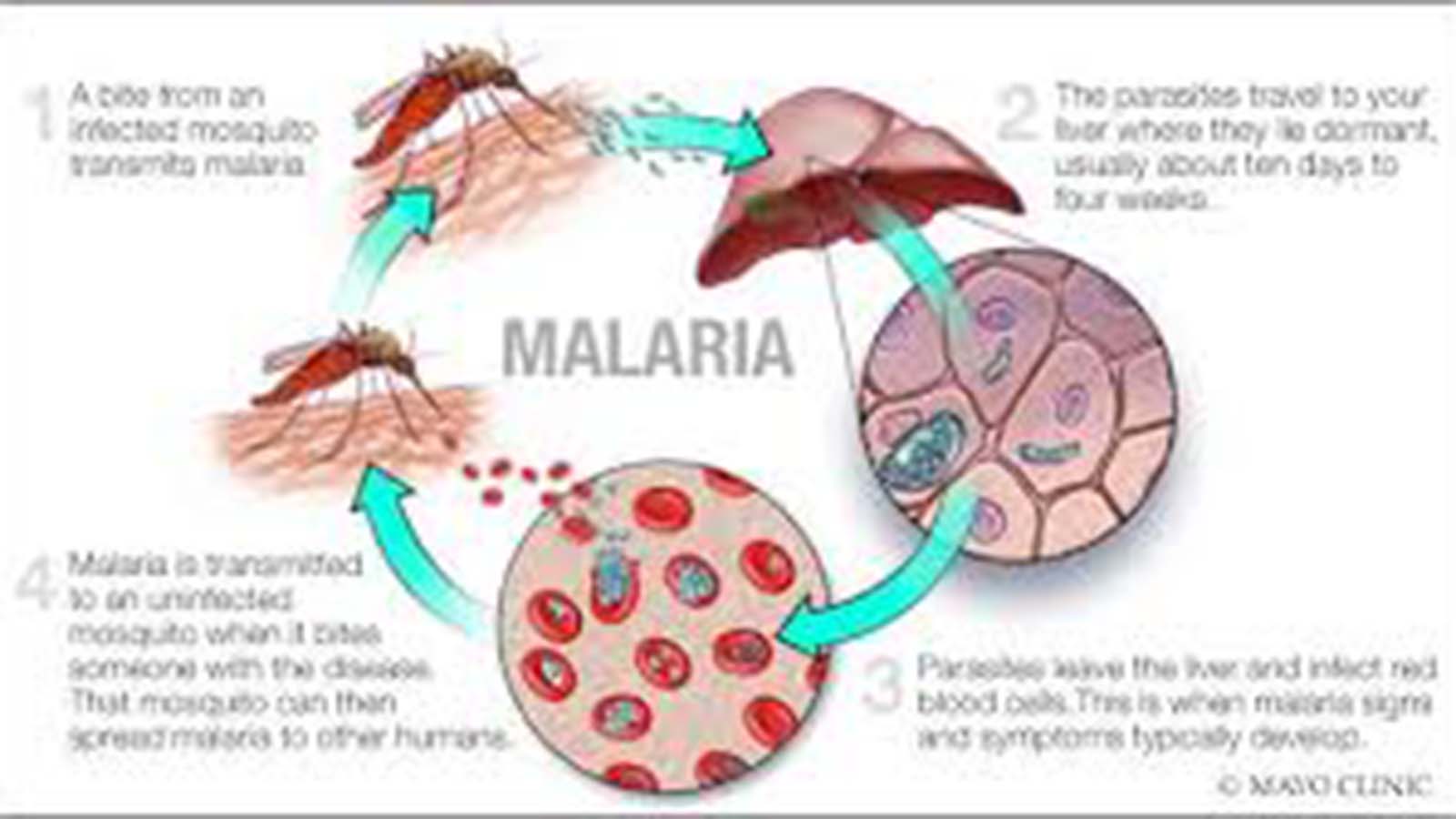
Fungai Lupande-Mashonaland Central Bureau
MASHONALAND Central Province is battling one of its deadliest malaria outbreaks in recent years, with deaths rising despite a decline in overall infections. There are growing concerns over delays in seeking treatment, risky livelihoods and changing malaria transmission patterns.
Provincial Medical Director Dr Clemence Tshuma said the province recorded 51 250 malaria cases and 107 deaths in the first 21 weeks of 2026, giving Mashonaland Central the highest malaria burden in the country.
Although infections remain below the 90 334 cases recorded during the peak outbreak in 2020, the case fatality rate has risen significantly from 56 deaths per 100 000 cases in 2018 to 208 per 100 000 cases this year, an indication that more people are dying after contracting the disease.
Speaking at a stakeholders engagement meeting this week, Dr Tshuma said areas that traditionally recorded low malaria burdens are now experiencing increased transmission, with Mount Darwin, Centenary, Muzarabani and Mbire emerging as the worst affected districts.
Mt Darwin recorded the highest number of malaria-related deaths, followed by Rushinga, Shamva, Centenary and Guruve.
“Communal farmers and students have been identified as the most affected groups, with artisanal miners and gold panners also carrying a heavy burden due to prolonged outdoor exposure and unsafe environmental conditions,” he said.
Dr Tshuma said tobacco farming activities had also emerged as a major driver of malaria transmission.
“Tobacco farming has become a major driver of transmission, particularly during curing and grading seasons when farmers sleep in or store tobacco inside rooms that were recently sprayed with insecticides, reducing the effectiveness of Indoor Residual Spraying (IRS). Stream-bank cultivation and increased outdoor sleeping due to high temperatures are also exposing communities to mosquito bites during peak transmission hours.”
Artisanal mining activities along the Great Dyke were also flagged as a major concern, with abandoned mining pits collecting stagnant water that creates ideal breeding grounds for mosquitoes.
Dr Tshuma linked the rising deaths to delays in seeking treatment, saying many patients first consult faith healers or use unlicensed medicines that mask malaria symptoms before eventually presenting at health facilities with severe complications such as cerebral malaria, jaundice and kidney failure.
Some patients arrive at health institutions when they are already unable to tolerate oral medication, he added.
“Community resistance to rectal artesunate, a life-saving pre-referral treatment for severe malaria is another major challenge, with some communities rejecting the intervention due to cultural and spiritual beliefs,” said Dr Tshuma.
Entomological investigations in Bindura District identified the Anopheles funestus as the dominant malaria vector in peri-urban Foothill areas, while the Anopheles arabiensis was found to dominate urban settings.
Researchers also identified Anopheles longipalpis as a secondary vector mainly active outdoors.
In Chiwaridzo suburb, investigators discovered live mosquito larvae and pupae breeding in stagnant water caused by a leaking community tap and blocked drainage system.
Despite the rising mortality trends, Dr Tshuma said the province has achieved 91 percent Indoor Residual Spraying coverage and continues distributing insecticide-treated mosquito nets, conducting larviciding programmes and intensifying awareness campaigns through radio programmes and outreach initiatives.
Bioassays conducted in Mt Darwin, Centenary and Rushinga confirmed that the insecticides being used remain highly effective against local mosquito vectors.
However, Dr Tshuma said stronger collaboration with mining operators, traditional leaders, churches and farming communities was urgently needed to improve early treatment-seeking behaviour, increase acceptance of pre-referral medicines and strengthen environmental management measures such as backfilling abandoned mining pits.