Online Reporter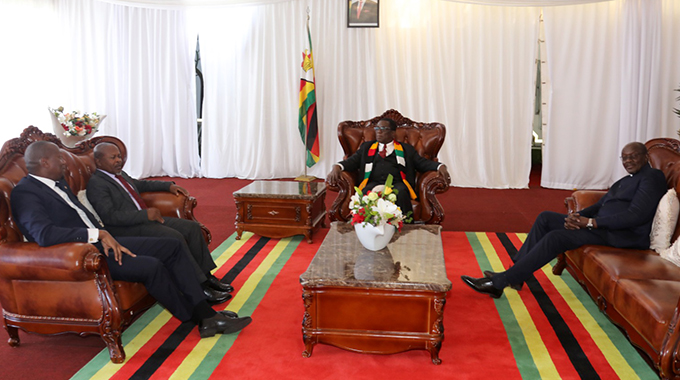
Rutendo Nyeve in Victoria Falls
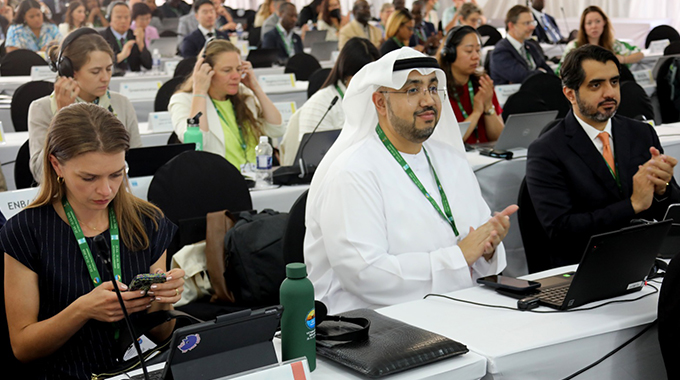
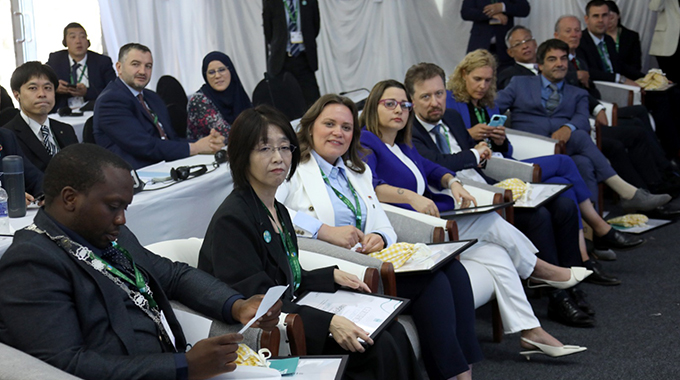
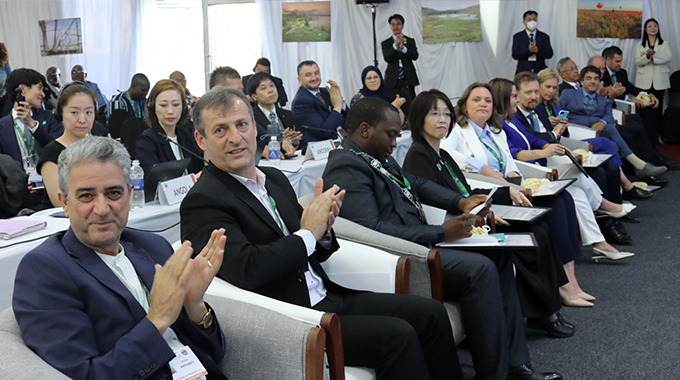
DELEGATES from over 170 nations gathered in Victoria Falls yesterday for the official opening of the 15th Conference of Parties (COP15) to the Ramsar Convention. As the summit commenced, Malawi and Eswatini were among the first to commend Zimbabwe’s new leadership in wetlands conservation, while reiterating their own strong commitment to sustainable wetland management.
The summit, hosted by Zimbabwe, has brought together global leaders, environmental experts, and policymakers to strengthen international co-operation in protecting wetlands — critical ecosystems that sustain biodiversity, support livelihoods, and help combat climate change.
In his address, Eswatini Prime Minister Mr Russell Dlamini lauded Zimbabwe’s leadership in wetlands conservation, describing it as a regional benchmark. Representing His Majesty King Mswati III, he further commended Zimbabwe for hosting COP15, following its successful hosting of the Transfrontier Conservation Areas Summit.
“The Kingdom of Eswatini fully supports efforts to promote the conservation and wise use of wetlands. Zimbabwe and Eswatini stand as examples of what can be achieved through commitment and regional synergy,” he said.
Prime Minister Dlamini outlined Eswatini’s own progress in wetlands preservation, including the adoption of a National Wetlands Policy and a Wetlands Strategy and Action Plan. He also highlighted the cultural significance of wetlands, citing the annual Reed Dance (Umhlanga) Festival, which relies on healthy wetlands for the reeds used in the ceremony. “We have witnessed tangible benefits from wetlands restoration, including the revival of near-extinct plant species, recharged water sources, and economic empowerment through handicrafts, weaving, and sustainable agriculture,” he said.
However, he warned of increasing threats from urbanisation, which has led to wetlands being converted into residential and commercial spaces.
“We must explore innovative construction methods to preserve these critical ecosystems,” he said.
Malawi’s Vice-President, Mr Michael Usi, also delivered a solidarity statement, emphasising the urgent need for accelerated action in wetlands protection.
“This important global gathering in the breathtaking setting of Victoria Falls reminds us that for over 50 years, the Ramsar Convention has provided the essential global framework for the conservation and wise use of wetlands.
“With 172 contracting parties united under this banner, the Convention stands as a testament to our shared recognition that wetlands are not merely landscapes, but vital lifelines — fables of viability, gardens of fresh water, protection against floods and droughts, and indispensable allies in our fight against climate change. They are fundamental to human survival, well-being, and prosperity,” he said.
Vice-President Usi highlighted Malawi’s efforts, noting that the country is home to two Wetlands of International Importance — Lake Chilwa (designated in 1996) and the Elephant Marsh (2017), covering over 286 000 hectares.
“Beyond these sites, wetlands encompassing our lakes, rivers, and marshes constitute approximately two percent of Malawi’s surface area, forming the very backbone of our ecological and economic systems,” he said.
He stressed Malawi’s renewed commitment to wetlands preservation, aligning with the new strategic plan of the Ramsar Convention.
“COP15 is not just another meeting — it is a pivotal moment. As the highest decision-making body of the Convention, we gather here in Victoria Falls not only to reaffirm our commitments but to significantly strengthen them.
“We must translate the philosophy of wise use into accelerated, concrete action through ambitious national plans, robust policies, effective legislation, and empowered communities,” said Vice-President Usi.
The strong presence of Southern African leaders at COP15 highlights the region’s determination to lead in environmental conservation.
Zimbabwe’s hosting of the summit further cements its role as a key advocate for sustainable ecosystems.