Online Reporter
Rutendo Nyeve in Victoria Falls
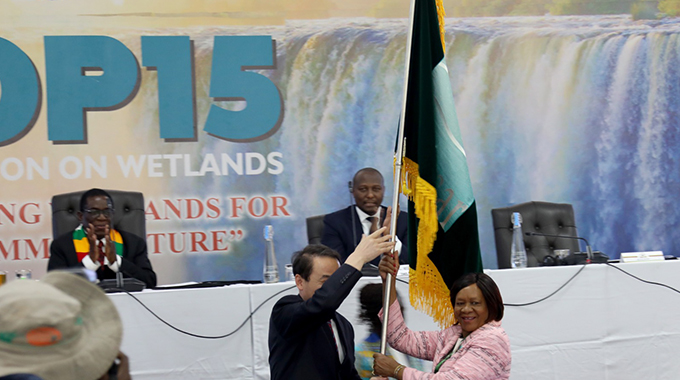
VICTORIA FALLS was the centre of global environmental focus yesterday as Zimbabwe officially assumed the presidency of the 15th Meeting of the Conference of the Contracting Parties to the Ramsar Convention on Wetlands (COP15). Taking over from the People’s Republic of China, President Mnangagwa used the platform to issue a robust call for urgent international efforts to reverse wetland degradation.
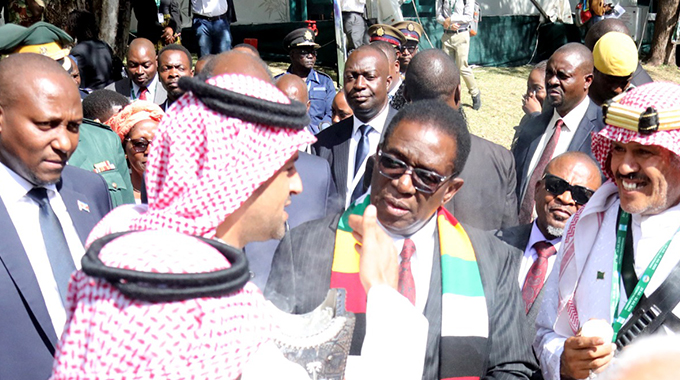
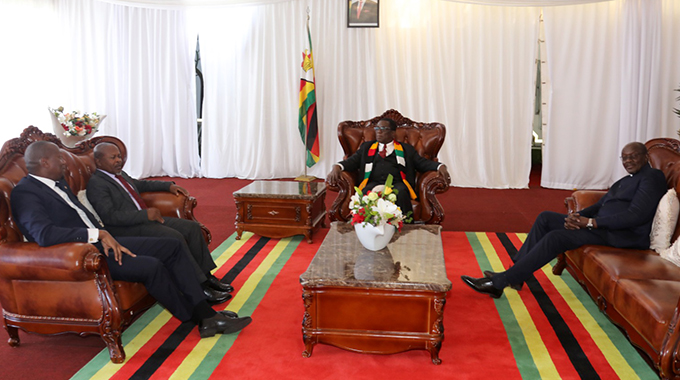
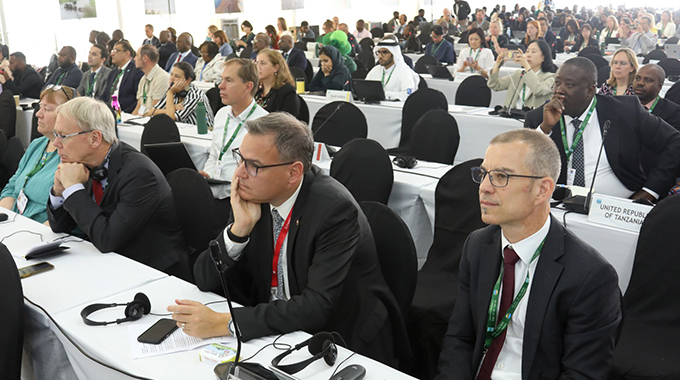
High-ranking dignitaries at the event included the Vice President of Malawi, Dr Michael Bizwick Usi, and the Prime Minister of the Kingdom of Eswatini, Russel Mmiso Dlamini. Also in attendance were representatives from the United Nations, global conservation organisations, and indigenous communities — underscoring the international significance of wetland preservation and the shared pursuit of sustainability.
The outgoing COP15 President, Mr Xia Jun of China, formally handed over the Ramsar Convention flag to Zimbabwe, symbolising the transfer of leadership for the next three years.
In his address, President Mnangagwa hailed the occasion as a pivotal moment for both Zimbabwe and the global community, highlighting the need for collective action to consolidate progress made thus far.
“Today, we gather as representatives of our nations and as stewards of a shared heritage and future. We are one united people and citizens of our planet Earth, with a sacred duty to protect that which has been entrusted to us by
Almighty God, for both present and future generations.
“It is in this spirit, therefore, that the theme of this conference — ‘Protecting Wetlands for Our Common Future’ — is timely in its emphasis on the role of wetlands in ecological health, biodiversity conservation, and climate resilience,” he said.
President Mnangagwa further emphasised the ecological, social, and economic importance of wetlands, describing them as indispensable to planetary health.
“Wetlands, which include swamps, marshes, fens, bogs, estuaries, mangroves, and peatlands, are crucial habitats for about 40 percent of the Earth’s species. They provide livelihoods for more than a billion people. To neglect wetlands would be to abandon a critical portion of our existence.”
He outlined the multifaceted benefits of wetlands, including water purification, flood control, and carbon storage — benefits that align with the Sustainable Development Goals (SDGs).
“All these benefits complement efforts towards achieving the Sustainable Development Goals, particularly in addressing poverty (Goal 1), hunger (Goal 2), water supply challenges (Goal 6), promoting sustainable human settlements (Goal 11), climate action (Goal 13), and partnerships (Goal 17).”
Despite their importance, President Mnangagwa warned that wetlands face unprecedented threats and called for urgent measures to prevent further degradation.
“Wetlands are among the most threatened habitats on Earth. They face challenges such as habitat loss and degradation due to urbanisation and development, agricultural expansion, and climate change, leading to shifts in wetland distribution and altered hydrological cycles.”
He urged for urgent, collaborative action to reverse the decline, stressing the need for innovative restoration techniques, robust policy frameworks, and community involvement.
“Now is the time for us to change our mindsets and start implementing multi-faceted and collaborative approaches towards protecting our wetlands.”
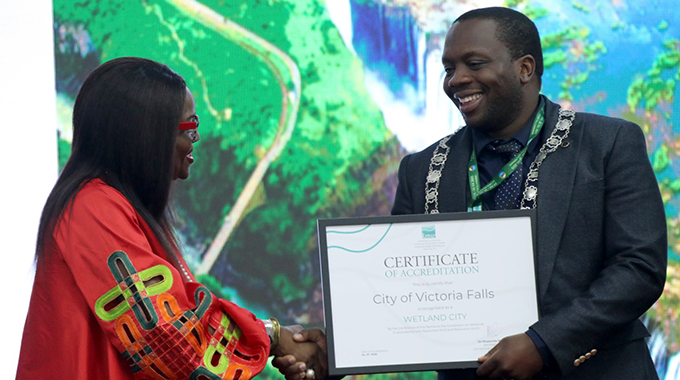
The President also highlighted Zimbabwe’s progress in wetland conservation since ratifying the Ramsar Convention on 3 May 2013.
“Zimbabwe embarked on its journey in wetland conservation with a notable commitment to environmental stewardship by ratifying the Ramsar Convention. Since then, we have designated seven Ramsar sites, highlighting our dedication to wetland conservation and preservation, which resonates with our commitment to provide all Zimbabweans with a clean, safe, and healthy environment as enshrined in the National Constitution.”
A key outcome of COP15 is the anticipated endorsement of the Victoria Falls Declaration — a landmark framework aimed at galvanising global efforts for wetland conservation.
“At the centre of this Declaration is the acknowledgement of the critical ecological, social, and economic importance of wetlands, and their global significance for sustainable livelihoods. The Declaration also serves as a guide and reminder for us to conserve, restore, and sustainably manage wetlands.
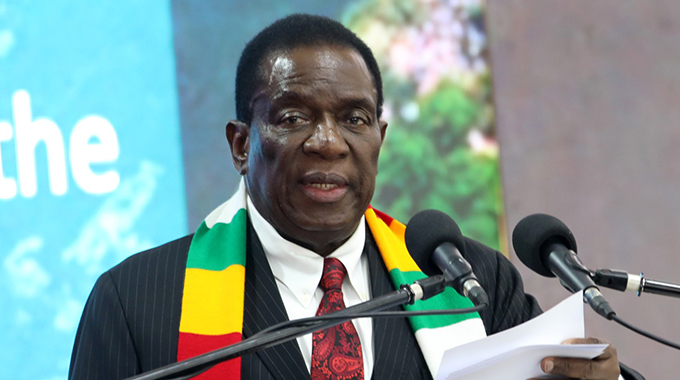
“Equally, we should remain seized with the enormous challenges facing wetland conservation, especially in the context of the triple planetary crisis of climate change, biodiversity loss, and pollution.
“My Government commits to champion resource mobilisation for sustainable wetland management, rehabilitation, and collaboration. This includes building strong linkages among partners such as other multilateral environmental agencies, countries, institutions, the private sector, and stakeholders.
“The scale of wetland loss and its associated threats demand immediate and cooperative action from all stakeholders.
The time has come to secure the guaranteed preservation of wetlands as a foundation for a sustainable, equitable, and resilient future,” President Mnangagwa said.
He urged delegates to move beyond rhetoric and embrace implementation.
“While the formulation of policies and adoption of resolutions are essential, their effective implementation is even more critical, along with our readiness to invest in wetland protection. Therefore, let this COP15 be recognised for taking concrete steps from discussion to implementation.”
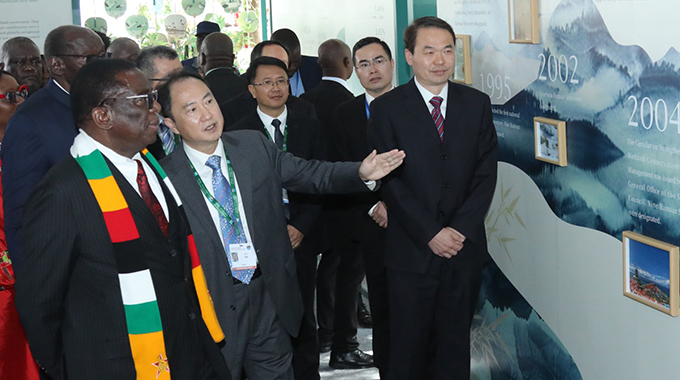
President Mnangagwa also expressed gratitude to the outgoing COP President and the Ramsar Secretariat.
“I appreciate the sterling work done by the outgoing COP President, the Government of the People’s Republic of China. The guidance and support you provided to us in preparation for our presidency are highly appreciated.”
With the declaration of COP15 officially open, Zimbabwe now stands at the helm of global wetland conservation efforts — poised to lead with innovation, collaboration, and unwavering commitment. The Victoria Falls Declaration is set to become a cornerstone in the global fight to preserve these vital ecosystems for generations to come.