Online Reporter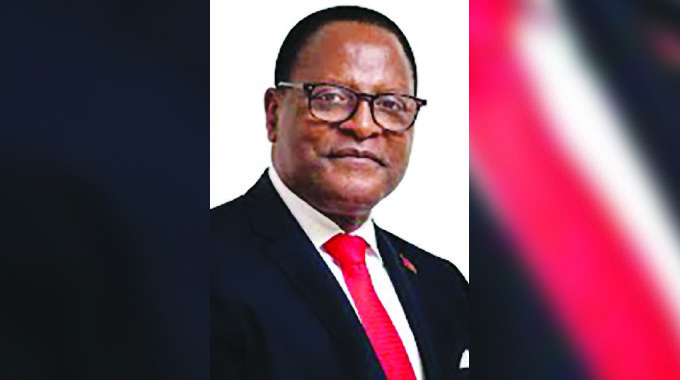
Richard Muponde, Zimpapers Politics Hub
MALAWI’S recent presidential election stands out as a turning point in Southern Africa’s electoral politics, not only for the country itself but also for the wider Southern African Development Community (SADC) region, which has long battled neo-colonial interference in its democratic processes.
The 2025 presidential election, in which incumbent President Lazarus Chakwera peacefully conceded defeat to his predecessor-cum-successor, Mr Peter Mutharika, showcased a remarkable level of political maturity.
This election was not only orderly but also refreshingly free from the disruptive narratives that had marred previous electoral cycles.
By voting peacefully and respecting the democratic process, Malawians effectively exorcised the demon of neo-colonial interference that has often sought to turn electoral contests into battlegrounds for external interests.

The contrast with the 2019 election could not be starker. That year, Malawi was plunged into turmoil after the Supreme Court annulled President Mutharika’s victory due to “serious irregularities,” including the infamous use of correction fluid on results sheets.
The ensuing unrest, fuelled by external narratives that framed the annulment as evidence of corruption, created an atmosphere of instability.
While the rerun in 2020 was a triumph for popular will, it was achieved against a backdrop of deep political division stirred, in part, by outside forces.
The recent election, however, told a different story. Malawians turned out in large numbers for a contest that pitted the two rivals against each other once again.
Unlike in 2019, the campaigns and voting were largely peaceful, and crucially, Malawians resisted attempts to be co-opted into serving external agendas.
Preliminary reports from observers, including the SADC Election Observer Mission, described the poll as free, fair, and credible, underscoring the strides Malawi has made in entrenching democratic norms.
The people’s decision was respected, and the nation was spared the violent demonstrations and attempts to delegitimise the process.
President Chakwera’s concession speech perfectly captured this maturity. “. . . It is only right that I concede defeat out of respect for your will as citizens and out of respect for the constitution . . .” he stated.
These words were not just a recognition of the democratic process but also a powerful rejection of the idea that leaders must cling to power at all costs — a mindset often exploited by external actors to plunge nations into chaos.
By committing to a “peaceful transfer of power,” President Chakwera elevated himself as a Statesman whose decision prioritised national stability over personal ambition.
His concession provides a vital model for SADC leaders on how to manage transitions without succumbing to divisive politics.
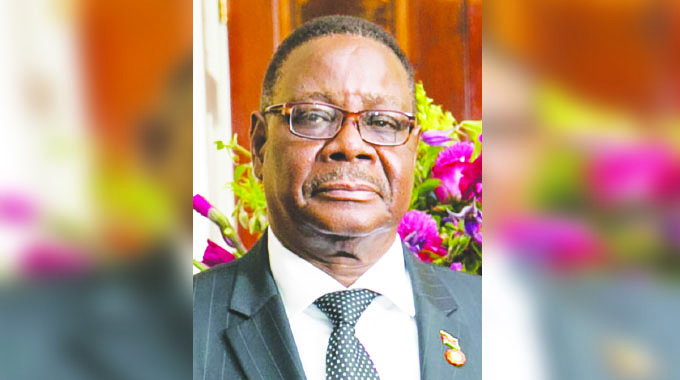
On his part, President-elect Peter Mutharika displayed equal statesmanship in his post-victory remarks.
His re-emergence and triumph after accepting defeat with humility in 2020 demonstrate the resilience of Malawi’s democratic system, in which leaders can return to the political fold through genuine electoral support.
Comparing Malawi’s experience with other SADC nations highlights just how significant this peaceful election was.
In Mozambique, neo-colonial meddling has sponsored opposition violence. In South Africa, external interests infiltrated opposition campaigns, leading to divisive politics that cost the ruling ANC its majority for the first time.
These examples illustrate how neo-colonialists often prey on fragile democratic institutions. By resisting such manipulation, Malawians have affirmed their sovereignty and commitment to peace.
The political maturity displayed by both President Chakwera and President-elect Mutharika is a beacon of hope for the entire SADC region.
For too long, the region has been viewed as vulnerable to manipulation, with external powers eager to exploit electoral tensions.
By holding a peaceful election and ensuring a smooth transfer of power, Malawi has demonstrated that African nations can resolve political competition within the framework of their constitutions and the will of their citizens.
For Malawi, the benefits of this political maturity are immense. The country has been struggling under severe economic pressure, with high inflation and a majority of the population living below the poverty line. Stability is therefore essential for recovery.
President Chakwera’s peaceful concession provides the stable conditions necessary for economic planning and reform under President-elect Mutharika’s leadership. Malawians can now turn their focus to addressing pressing social and economic issues without the distraction of political instability.
Ultimately, this election was about more than just who governs Malawi. It was about reclaiming sovereignty from the influence of neo-colonial actors and proving that Africans can resolve their own political differences peacefully.
Malawians, through their dignified participation, have written a new chapter in the story of African democracy.
Their actions stand as a rebuke to those who thrive on chaos and division and as an inspiration to other nations in the region struggling with external interference.
By choosing peace and unity, Malawians have not only exorcised the demons of their past but also illuminated a path forward for SADC.