Online Reporter
Employee Relations
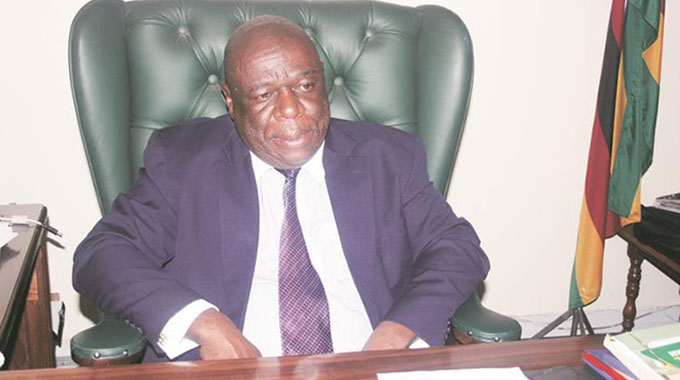
Dr Request Machimbira
In the grand theatre of organisational performance, a silent war rages, sabotaging the best-laid plans and stifling the potential of even the most talented employees.
Performance interferences happen to be the culprit, in diversified form and character. These serve as unseen forces that conspire to derail productivity and undermine the very fabric of success.
The chasm between an employee’s actual performance and their optimal potential is a vast and treacherous landscape, fraught with obstacles that can derail even the most driven individual.
It is a terrain littered with the wreckage of unmet goals, dashed expectations and shattered dreams, and yet it is a landscape that can be navigated, if only leaders are willing to confront the interferences head-on.
Performance interferences come in many guises. Each one is a master of disguise, hiding in plain sight.
They include inadequate resources, poor leadership, employee wellness issues, team dynamics and inefficient work processes.
They are a hydra-headed monster that seems to grow new heads faster than they can be cut off.
But it is a myth that these interferences are inevitable, an unavoidable byproduct of the corporate grind. No, they can be tamed, but it requires a ruthless determination to confront the demons head-on.
Supervisors, managers and executives, take heed: You have a sacred duty to manage these interferences, to create a performance environment that is as sterile as a surgical theatre, where employees can thrive, unencumbered by the distractions and obstacles that stifle greatness. It is not enough to simply demand optimal performance; you must deliberately create the safeguards that enable it.
The performance environment is a delicate ecosystem, an intricate web of factors that can either nurture or suffocate the seeds of success.
It is a garden that requires constant tending, pruning and weeding, lest the weeds of complacency and mediocrity choke out the flowers of innovation and progress.
That is where a performance audit comes in. This is a specialised scan of the performance environment, designed to sniff out the hidden interferences, the unseen obstacles that block the path to greatness.
A performance audit is not a witch-hunt, nor is it a blame game. It is a constructive exercise aimed at identifying the root causes of underperformance, and creating a road map for improvement.
It is a chance to shine a light on the dark corners of the organisation, to expose the inefficiencies and ineffectiveness that hold employees back.
But it is not just about the audit; it is about creating a culture of performance, one that prioritises productivity and holds it dear.
It is about appointing performance champions, steering committees that can provide oversight, guidance and direction, ensuring that the organisation stays on track, focused on the ultimate agenda.
The war for productivity is won or lost in the trenches of performance. It is time to gear up, to take the fight to the interferences, and to unleash the full potential of your organisation. The stakes are high, but the rewards are greater.
Consider the following statistics:
- A study by Gallup found that only 33 percent of employees are engaged at work, while 51 percent are not engaged, and 16 percent are actively disengaged.
- A survey by McKinsey found that 70 percent of organisational transformations fail due to poor leadership and inadequate resources.
- Research by the Harvard Business Review found that employees who work in organisations with high levels of performance culture are 3.7 times more likely to report high levels of job satisfaction.
These statistics paint a stark picture of the productivity paradox, highlighting the vast chasm between potential and reality.
But they also offer hope, a glimmer of promise that with the right approach, the right leadership and the right culture, organisations can overcome the interferences and unlock the full potential of their employees.
The journey to managing performance interferences is not a sprint; it is a marathon. It requires strategic intentionality, precious in diagnostics; and a willingness to confront the demons head-on.
But the rewards are worth it, for in the end, it is not just about productivity — it is about unleashing human potential and creating a world-class organisation that inspires and empowers employees to reach new heights.
As leaders, it is time to take responsibility for managing performance interferences, to create a culture of performance that drives business success, and to unlock the full potential of our organisations.
The productivity paradox is a challenge, but it is one that is worth accepting. Make it an organisational agenda.
Dr Request Machimbira is the executive director of Proficiency Consulting Group and International Wellness Institute. He is a leading, multi-award-winning human resources expert, strategy facilitator, board trainer, team building coach, wellness consultant, independent labour arbitrator, board chairperson and published author. He writes in his personal capacity. For feedback, email request@proficiency international.com or phone +263772693404.