


 Vusumuzi Dube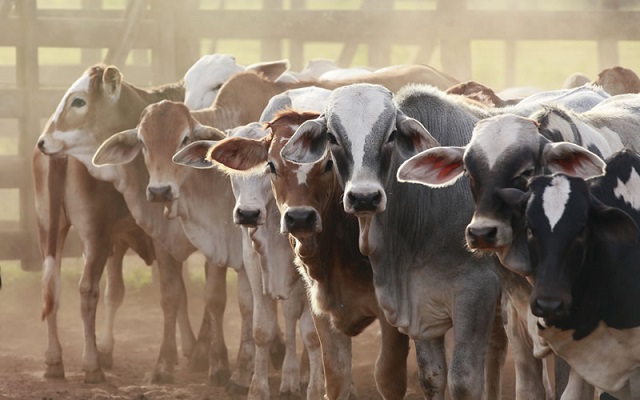
ONE of the realities of cattle ranching in smallholder communal farming is that there is normally a small window for breeding your animals unless if you are providing supplementary feeding for your animals.
It is a fact that the breeding cycle in smallholder communal farming systems coincides with the period of feed abundance. Due to rainfall seasonal patterns, there tends to be a lot of green and abundant drinking water during the rainfall season which begins anytime from early November ending some time in February.
Animals are naturally conditioned to start cycling when they improve in body condition and there is abundant feed in the rangeland. When the veld becomes drier, watering points, far and wide, animals begin to lose condition and they stop going on heat. Also, by this time some would have already been serviced and are pregnant.
This means the breeding window in communal systems and other feed scarce farms, is about four months, that is from December for the early birds and somewhere in early March for the late comers. If your animal misses this window and it is not serviced, you have lost a production year as a farmer. It is thus imperative that you manage your animals such that when the breeding window comes, they are ready for it.
You need to dose your animals as the early green lush shoots. This will ensure that your animal has no internal parasites that will inhibit it from fully utilising the feed. Consequently, your animal will improve body condition much faster and when the body condition score gets to three and beyond, your cows and heifers will start coming on heat and take a bull. Also, make sure you treat any sickly cow or heifer as this will affect its rate of conditioning and might actually miss out on the breeding season.
Farmers should therefore institute deliberate mechanisms or efforts to manage their animals so that they are able to breed during this short four months window. It is also a wise management practice to supplement your animals even with simple hay, so that they do not excessively lose condition as this will elongate the time they need to attain a body condition score that allows them to start cycling.
It should be your target as a farmer to aim for your cows and heifers to be approaching or have achieved a body condition score of three by end of December. This will ensure that your breeding cows and heifers will take a bull by end of January into February. A perfect month for your cow to take a bull is February so that it will drop the calf somewhere in November when the rains have come and there is enough graze.
Animals that take a bull in December will drop calves right into the pinnacle of the dry season, October, forcing you to supplement the cow until the beginning of the rain season. The breeding window is also a critical records keeping time, as you want to note down which animal took which bull, when?
This will help you to anticipate when to expect your first calf and plan accordingly. Also, it will help you notice those that came back on heat after being serviced. The important message to take home, being that, we have a relatively short breeding window which we must deliberately target in our management of cows and heifers. The few but critical steps shared above will ensure that you do not lose an entire season because your animals could not condition in time to come on heat and breed.
It is a very painful farmer to go through a whole year carrying passenger animals in your herd simply because you did not do just a few things to prepare your animals for this crucial window. Having your animals breed at the right time, is not an accident event but a deliberately planed for and managed process.
However, farmers with abundant grazing all year round and adequate water sources, may not need to worry as cows can take a bull anytime for as long as their body condition score is above three. This however, is a very small percentage of our livestock farmers, as most of us are in communal lands where grazing lands tend to severely deteriorate during the dry season resulting in animals losing condition. In fact, most animals in communal areas right now, are somewhere at body condition score, two and below!
UyabongaumntakaMaKhumalo. Mhlupheki Dube is a livestock specialist and farmer. He writes in his own capacity.
Feedback – [email protected]


 Online Reporter