

 admin
admin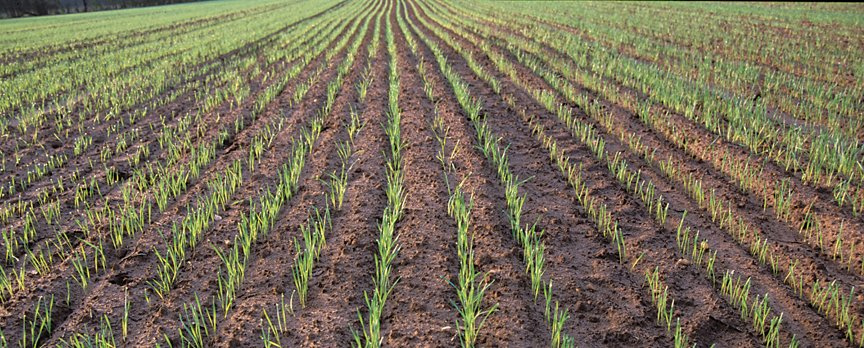
Samuel Kadungure
Senior Reporter
PREPARATIONS for the wheat season are at an advanced stage in Manicaland, with about 2 000 hectares ready for planting when the window begins next week.
Planting can begin on May 1 or a week earlier.
While a total of 85 000 hectares have been targeted for winter wheat this year, Manicaland has been allocated a target of 9500 hectares.
Wheat is Zimbabwe’s food basket second most important cereal after maize.
Following a good rain season that filled major dams in Manicaland, there is enough irrigation water for the season.
Water levels in the Save Catchment which supplies farmers in the province with irrigation water has for the first time in decades gone beyond 95 percent of its capacity, thereby raising prospects of a highly productive winter wheat season. T
he Save Catchment dams have a cumulative full supply capacity of 789 000 mega litres and operate as a system.
When the situation at Osborne Dam is untenable, water can be drawn from other dams like Marovanyati and Ruti (Buhera), Mpudzi Dam, Odzani Dam, Small Bridge Dam, Rusape Dam and Muchekeranwa Dam, among others, to make up for any shortfalls.
However, Rusape, Odzani and Small Bridge, Muchekeranwa and Marovanyati Dams reached full supply capacity during the rainy season.
Osborne Dam – the largest aquatic reservoir in Manicaland – this season hit the highest mark of 97 percent in the last decade.
The availability of water is crucial in wheat production since the cereal is highly sensitive to moisture deficits, especially during the critical phases of heading, flowering and early grain-fill.
The total gross amount of water required is about 500-600mm per hectare.
Acting deputy director for Agritex, Mr Nomatter Manunure said 286 metric tonnes of Compound D and 45 metric tonnes on Ammonium Nitrate fertilisers are ready for distribution to farmers as the province awaits for delivery of more inputs.
Mr Manunure said farmers will be given a full basket of inputs between now and May 1 in order for them to plant early.
“Planting should begin on May 1, but some can do it a week earlier. The inputs that are available are ready for distribution to farmers, especially those with prepared land.
“More inputs should begin to arrive now and they should have been distributed to all farmers before the planting window begins. Preparations are progressing well, with about 2000ha of land ready for planting. The bulk of the prepared land is in Makoni,” said Mr Manunure.
Makoni will be the bastion of wheat production in the province, with a target of 4350ha.
A total of 1050ha have already been prepared in the district, followed by Mutasa whose target is 1950ha.
However, only four hectares are ready for planting in Mutasa due to delays in planting and harvesting maize in the last season.
Mr Manunure said Mutare district has a target of 1100ha, of which 250ha have already been prepared.
Nyanga is targeting 1800ha, with 320ha ready for planting.
Mr Manunure also said Chipinge, which used to be a hub of wheat production in the province before large tracts of land were put under sugarcane, will put a paltry 478ha under wheat.
He added that as per the 2023 wheat production plan, all irrigation schemes will be put under wheat production.
“We have abundant water because we had a better season. We do not expect our farmers to encounter any challenges in terms of irrigation water, all they need to do is to enter into agreements with the water regulating authority,” he said.
The Zimbabwe National Water Authority (ZINWA) recently appealed to all water users to use the available water sparingly.
“Those intending to use water from Zinwa managed dams during the impending winter cropping season are advised to ensure they get water abstraction agreements as required by the law,” said Zinwa spokesperson, Mrs Marjorie Munyonga.
Producing enough wheat for the country will spur Zimbabwe’s import substitution drive and result in forex savings which will then be channelled to other sectors of the economy.
Last season, Zimbabwe produced 375 000 tonnes of wheat, thereby making it a self-sufficient wheat powerhouse.
The harvest was 13 percent higher than the previous year, and it broke a half-century old record.
The country no longer imports wheat, thereby saving nearly US$300 million in import costs.



 Online Reporter