admin
adminSenior Reporter
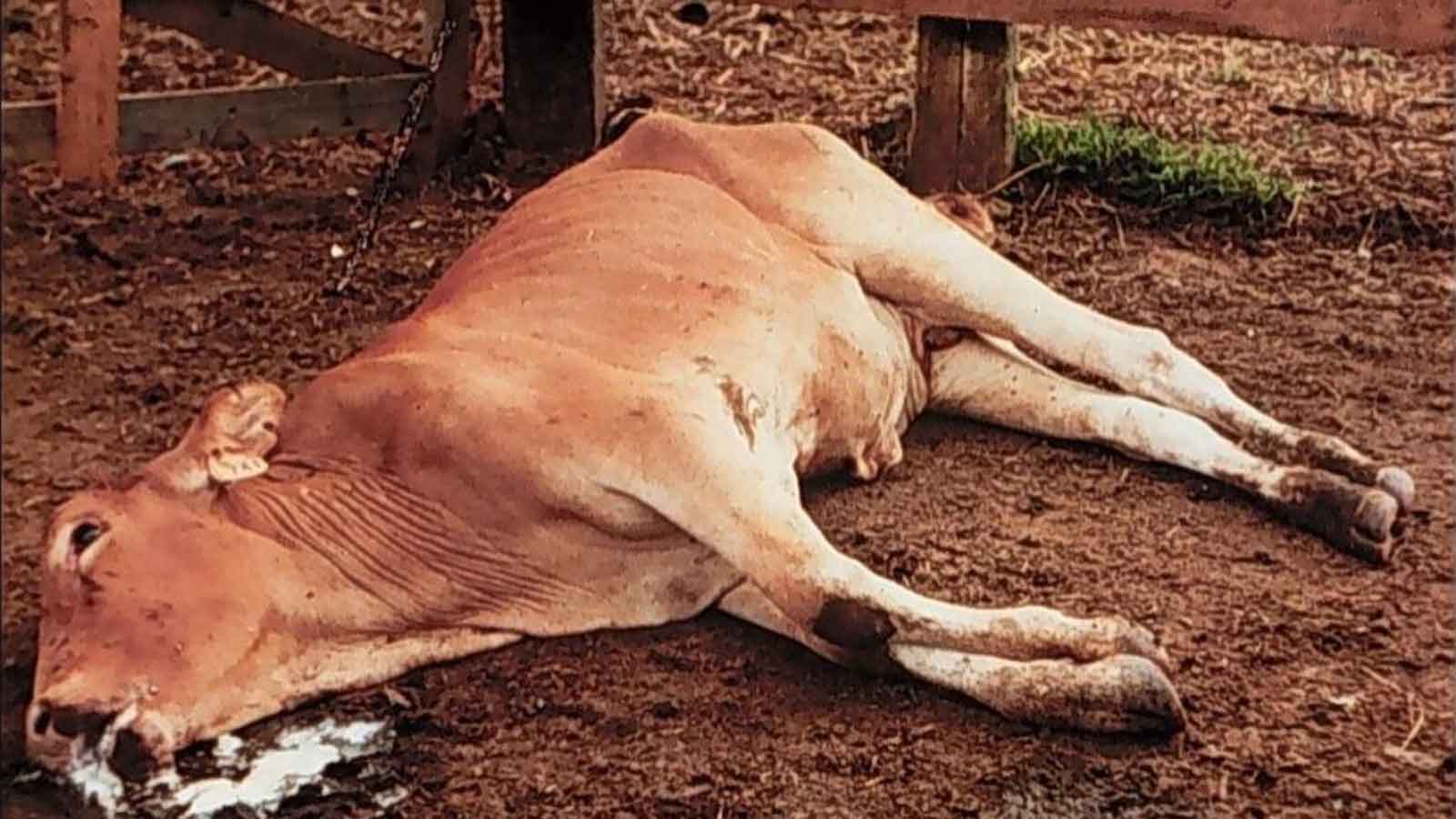
MANICALAND has begun implementing an emergence programme to rehabilitate irrigation schemes in the province in a bid to mitigate against the expected drought caused by the manifesting El Nino phenomenon.
Provincial Administrator, Mr Fungai Mbetsa, revealed this week that concerned Government departments were working around the clock to implement the national programme spelt out on December 8 last year by an Emergency Committee of Ministers.
“The country forecasts to receive normal to below normal rainfall for the 2015 /16 season due to the manifestation of El Nino. A short rainfall season is expected across the country.
“In Manicaland, we have prioritised the rehabilitation of schemes like Bonde, Nyanyadzi and Nenhohwe as part of the emergency programme. Nyanyadzi is almost complete. Other schemes that will be done quickly include Nyakomba and Marange,” he said.
Mr Mbetsa said irrigation farming was the way forward in the wake of erratic rainfall patterns caused by climate change.
“It is best that we start rehabilitating existing broken down schemes than starting new ones because it is cheaper to do so. If we manage to harness water from various reservoirs in the province and use it to irrigate fields, we will be in a position to feed ourselves and import the surplus,” he said.
Zimbabwe has an irrigation potential of 2,2 million hectares and currently has some irrigation facilities on about 200 000 hectares. Of that, about 120 000ha has some functional infrastructure while the balance 80 000 hectares if dysfunctional.
As part of the national programme each scheme should be assessed and all requirements supplied and fitted.
The thrust is to increase the rehabilitated hectarage and ensure early planting programmes, mid-season drought supplementary precipitation, winter cropping programmes and horticultural cropping issues.
The profile of the emergency programme consists of the rehabilitation of power lines, transformers, pumping systems and infield works.
Mr Mbetsa said his provincial teams had already carried out assessments of all schemes. These included experts from Agritex, DDF, Zinwa, Zesa and Arda.
Responsible institutions have also been accorded roles they must fulfil for the programme to succeed.
“The Ministry of Local Government and National Housing shall be responsible for the mobilisation of beneficiary communities, while the Ministry of Rural Development, Promotion and Preservation of National Culture and Heritage is involved in the project identification process.
“Zinwa shall be responsible for the rehabilitation of large pumping stations and dams while Zesa will do power lines and transformers. Arda and DDF will rehabilitate institutional irrigation schemes and small to medium sized dams respectively,” he said.


 Online Reporter