

 Online Reporter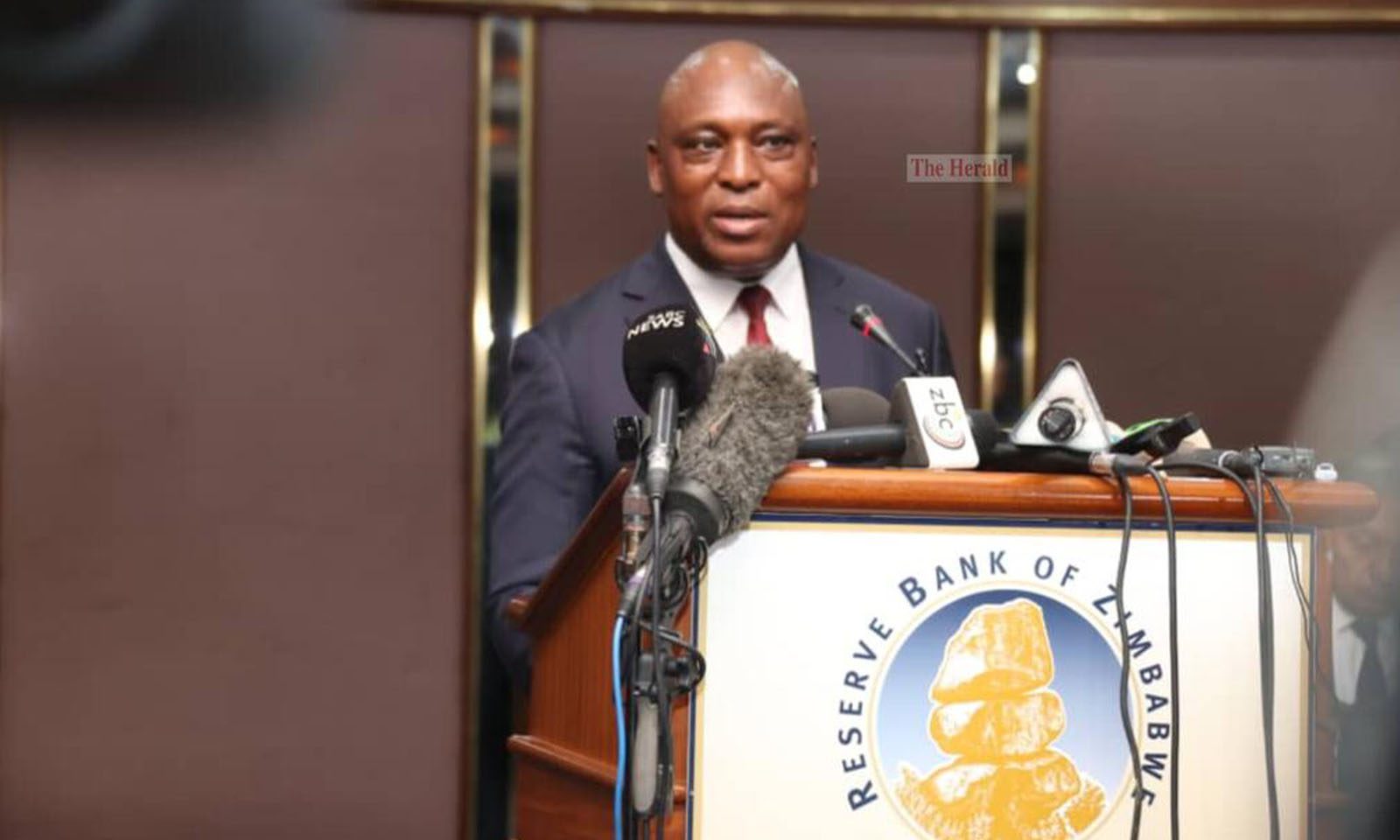
Tapiwanashe Mangwiro, Zimpapers Business Hub
ZIMBABWE’S manufacturing sector dramatically reduced its reliance on the parallel foreign exchange market in 2024, sourcing only 3 percent of its foreign currency needs from informal channels, down from 15 percent in 2023.
This significant shift, revealed in the Confederation of Zimbabwe Industries’ (CZI) 2024 Manufacturing Sector Survey, signals growing confidence in formal markets and is a testament to policy reforms by the Reserve Bank of Zimbabwe (RBZ).
According to the survey, the improvement was largely driven by increased access to formal foreign currency markets, particularly following refinements to the willing-buyer willing-seller (WBWS) exchange rate system.
In response to the report, RBZ Governor Dr John Mushayavanhu welcomed the development, saying it reflected a more efficient and reliable official market.
“The experience shared by the Confederation of Zimbabwe Industries is a welcome development and reflects the efforts of the Reserve Bank,” Dr Mushayavanhu said.

“The foreign exchange market under the WBWS arrangement is working well.”
The RBZ introduced major reforms to the WBWS system in April 2024, making it more market-determined and improving price discovery. These changes aimed to increase the volume of foreign currency traded through the formal interbank market while reducing reliance on speculative and volatile parallel markets.
“The Reserve Bank refined the willing-buyer willing-seller foreign exchange market in April 2024 to make it more market-determined, enhance price discovery and ensure increased foreign currency is allocated through the interbank market,” Dr Mushayavanhu explained.
A key driver of this transition has been the RBZ’s ability to meet foreign currency demand consistently, a sharp contrast to previous years where backlogs in official markets pushed businesses to the black market.
“The Reserve Bank has been able to satisfy all the pipeline demand to ensure continued stability,” said Dr Mushayavanhu.
“Importantly, the ZiG-US$ exchange rate has shown relative stability evidenced by a collapse in the parallel market premium to levels around 20 percent.”
This stability marks a dramatic shift from the volatility that plagued the Zimbabwean dollar before the launch of the ZiG, Zimbabwe’s gold-anchored structured currency introduced in April 2024. The ZiG replaced the Zimbabwe dollar (ZWL) after its depreciation rendered it impractical for both pricing and savings.

At one point in 2024, the RBZ injected US$50 million into the interbank market shortly after launching the ZiG to support its value and smooth initial transition turbulence. Further bolstering confidence, the central bank later pumped in an additional US$190 million to clear foreign exchange backlogs, helping sustain the new currency regime and ensuring timely payments for imports and other external obligations.
“The Reserve Bank is able to strategically intervene in the foreign exchange market to smooth any intermittent volatility or temporary market demand and supply mismatches,” said Dr Mushayavanhu, underlining the institution’s role in actively managing stability while letting market forces play a greater role.
This proactive approach was further supported by policy consistency. In its recent Monetary Policy Committee announcement, the RBZ opted to keep bank statutory reserve ratios and interest rates unchanged, reinforcing a stable policy environment. The Governor said the central bank would maintain “a currency monetary policy stance, ensure optimal liquidity management and continued accumulation of foreign reserves” to safeguard the ZiG’s stability.
The improvement in foreign currency access comes at a crucial time for Zimbabwe’s industrial sector, which has faced years of constraints due to chronic foreign currency shortages.
Companies in the manufacturing sector have long been forced to resort to the parallel market to source hard currency for raw materials, equipment and other essentials, at steep premiums.
In this context, the drop from 15 percent to 3 percent in reliance on the parallel market is not just a statistical blip but a signal of structural progress. The central bank’s foreign exchange market reforms, combined with enhanced transparency and communication, including recent public clarifications of its exchange rate policy have improved business confidence.
In May 2024, the RBZ released revised foreign exchange guidelines reaffirming that “only the interbank market sets the official rate,” thereby eliminating ambiguity and reinforcing the role of the WBWS system.
Dr Mushayavanhu noted that, “The recent clarification of foreign exchange guidelines will further improve the efficiency of the market and stability of the exchange rate.”
The CZI’s findings appear to validate these expectations. Their report emphasised the relative ease with which manufacturers could now access foreign exchange through official channels. Although challenges remain, especially around delays in certain sectors, the private sector’s response has generally been positive.
The Governor acknowledged that some friction still existed but assured continued engagement and improvements,
“The Reserve Bank will work through any teething problems in the foreign exchange market and ensure that 100 percent of all bona fide foreign payments are fully catered for by the market to support growth and stability in the economy.”
Moreover, confidence in the ZiG has grown rapidly; by June 2024, the RBZ reported a 91 percent acceptance rate of the ZiG across the economy, including by retailers, fuel stations, and utility providers.
The RBZ’s emphasis on full currency backing through reserves and its strategic interventions helped reinforce trust.
“There is no legal gap on ZiG’s validity,” the central bank reiterated in public statements alongside the Ministry of Finance, Economic Development and Investment Promotion.
“Its issuance is fully backed and measures are in place to stabilise the local currency.”
While the sustainability of these gains will depend on the continuation of prudent macroeconomic policy, the manufacturing sector’s pivot to formal markets in 2024 was a striking vote of confidence. It also marked one of the most promising signs yet that Zimbabwe’s long-troubled foreign exchange regime may finally be turning a corner.
As Dr Mushayavanhu put it, “Going forward, to maintain the stability of ZiG and the smooth functioning of the foreign exchange market, the Reserve Bank will maintain the currency monetary policy stance, ensure optimal liquidity management and continued accumulation of foreign reserves.”
If sustained, these measures could provide a firm foundation for the country’s reindustrialisation efforts and offer a template for other reforming economies facing similar currency and market challenges.
However, while the CZI report highlights the positive impact of the refined WBWS system in reducing reliance on the parallel market, other analysts suggest an additional factor at play. They argue that a significant portion of this reduced reliance is due to businesses increasingly generating their own foreign currency from domestic sales.
This allows them to fund their import needs directly, lessening their dependence on both formal and informal foreign exchange channels, said economic analyst Walter Mandeya of Trigrams Investments.
“While the WBWS improvements are undoubtedly a contributing factor, the increased self-sufficiency in foreign currency generation within the domestic economy should also be considered when analysing the shift.
“Mind you, the central bank is running a tight monetary policy regime, and the ZiG is not as liquid and available for economic activity. For one to demand forex at the WBWS platform, they must have the corresponding ZiG,” Mr Mandeya said.


