Online Reporter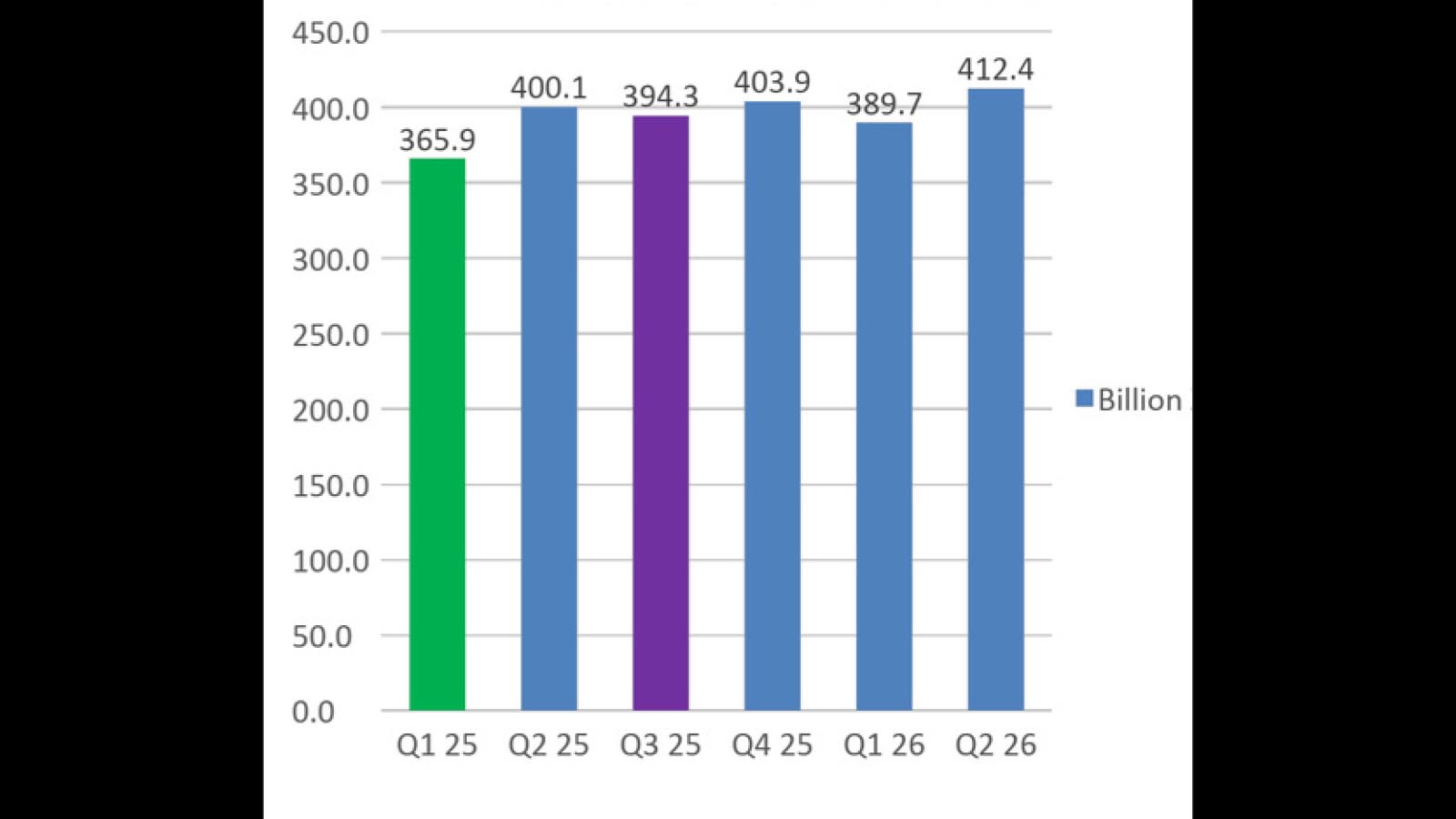
Business Reporter
Manufacturing retained its position as Zimbabwe’s largest economic sector in the second quarter of 2026, contributing 16,2 percent to overall Gross Domestic Product.
This came as the broader economy expanded after bouncing back from a 3,5 percent contraction in the first quarter, latest figures show.
Data from the Zimbabwe National Statistics Agency (ZimStat) shows manufacturing generated 16,2 percent of total national value added at constant prices in the second quarter, pulling back slightly from 17 percent in the first quarter.
Sectoral growth slowed to a modest 0,6 percent quarter-on-quarter compared to 1,6 percent expansion in the first three months of the year, though annual output expanded by 3,3 percent.
The sector’s steady resilience builds on a broader trajectory of industrial recovery and capacity expansion, supported by targeted Government policy frameworks such as the Zimbabwe National Industrial Development Policy 2 (ZNIDP 2) and the Local Content Strategy.
The industrial benchmarks show manufacturing capacity utilisation has recovered strongly over recent years from its low historical bases, driven by gains in sub-sectors like food processing, beverages, and industrial chemicals, according to the Confederation of Zimbabwe Industries.
According to the State of the Industry and 2027 Prospects report, massive capital investments are currently flowing into the local industrial sector as retooling and modernisation accelerate across plant operations.
Crucially, manufactured exports have shown steady growth, demonstrating increased regional competitiveness and expanding market scope across the region.
Significant scope remains for further industrial expansion, anchored by a lucrative import-substitution opportunity.
With Zimbabwe currently importing about US$2,5 billion worth of manufactured goods annually — products that can comfortably be produced locally — there is vast room for domestic producers to capture market share, deepen value addition, and conserve critical foreign exchange.
Analysts say that replacing the US$2,5 billion import bill with locally produced goods will serve as the ultimate catalyst for long-term economic stability and employment growth.
Africa Economic Development Strategies executive director Prof Gift Mugano has noted that Zimbabwe possesses a robust policy framework in the ZNIDP 2 alongside the Local Content Strategy.
“These two policies are set to reshape our industrial setup in a transformative way — particularly through local content initiatives aimed at import substitution,” Prof Mugano said.
“This shift will drive deeper localisation of value chains, expand local production and position manufacturing as the primary engine of economic growth, pushing its contribution towards a 25 percent share of GDP.”
Meanwhile, mining and quarrying accounted for the second-largest contribution to national output, climbing to 15,4 percent of GDP in the second quarter from 12,2 percent in the previous quarter following its strong production surge.
Agriculture, fishing and forestry saw its sectoral contribution moderate from 13,5 percent in the first quarter of 2026 to 12 percent in the second quarter.
Despite the lower share, the sector maintained steady quarter-on-quarter growth of 4 percent and registered a 7,3 percent expansion on an annual basis. Wholesale and retail trade remained stable, accounting for 10,8 percent of overall GDP compared to 10,9 percent in the first quarter of 2026, with quarterly growth accelerating from 1,6 percent to 4,5 percent.
Financial and insurance activities slipped into negative territory, contracting 3,6 percent quarter-on-quarter and reducing its share of national output from 6,7 percent in the first quarter to 6,1 percent in the second quarter.
Overall, Zimbabwe’s economy recorded a 5,8 percent quarter-on-quarter growth rate in the second quarter of 2026, marking a strong recovery from a 3,5 percent contraction in the first quarter.
ZimStat reported that GDP at constant prices reached ZiG412,4 billion in the second quarter of 2026, up from ZiG389,7 billion recorded in the first quarter.
At current prices, nominal output for the quarter stood at ZiG57,3 billion, compared to ZiG 424,6 billion in the previous quarter.
ZimStat compiled the quarterly figures using the production approach under the 2008 System of National Accounts with 2025 as the base year.
The agency noted that minor data revisions were incorporated across selected industries based on updated administrative records from ZIMRA, Government sources, and national employment surveys.