Bongani Ndlovu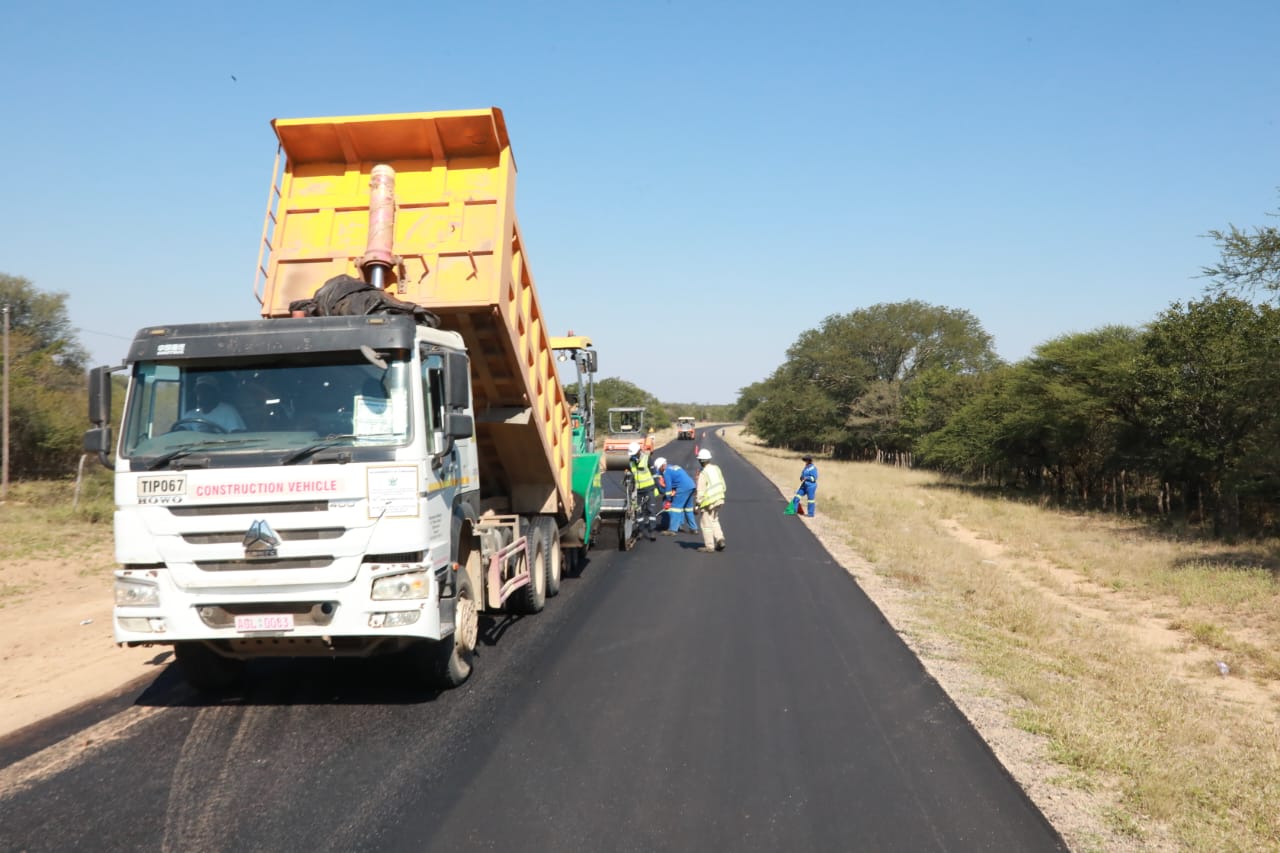
Bruce Ndlovu, Sunday News Reporter
MAPHISA in Matobo District is still basking in the glow of various legacy projects initiated by the Government as part of this year’s 46th Independence Day celebrations, with construction of the Bulawayo-Maphisa Road continuing while developments at Mahetshe Primary and Secondary schools have already changed the face of education at the centre.
While naysayers had suggested that work on the Bulawayo-Maphisa Road would stop after the Uhuru celebrations, construction of the highway, the major artery connecting the country’s largest city and the rapidly growing town in Matabeleland South Province, has continued unabated in the weeks after Independence Day.
Inspections by Sunday News this week revealed that while lengthy stretches of the road have already been completed, contractors are still hard at work on areas that had been left unfinished by 18 April.
The road is part of several legacy projects undertaken by the Government as part of the build-up to the Independence Day celebrations.
A total of 41 laboratories were constructed across the district, while other developments included the renovation of classroom blocks, construction of eight classroom blocks, two ECD blocks and eight modern teachers’ cottages at Mahetshe Primary School.
At Mahetshe Secondary School, a 700-seater hall was constructed, along with an A-Level block, computer laboratory, staff toilets, an administration block and teachers’ cottages.
Contractors are now putting the final touches on teachers’ cottages as part of the developments made by the Government as its commitment to devolution of national events.
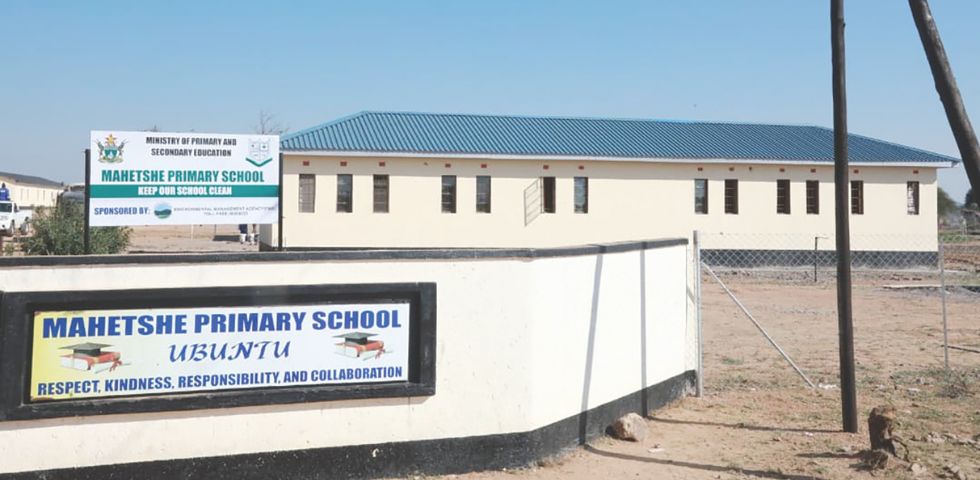
School headmistress Mrs Sibusiso Sibindi said the transformation had already begun yielding positive results, with enrolment and attendance figures rising sharply as parents regain confidence in the institution.
“We would love to thank the Government because all the help that we received has made our lives a lot easier. The changes that have been made to the school have transformed the outlook of the entire community. Firstly, enrolment has improved immediately and we are even receiving children from those in the diaspora who did not give us a chance before,” she said.
Mrs Sibindi said parents were approaching the school daily seeking places for their children.
“Enrolment has already improved. Parents are coming to us asking for a place daily and we cannot turn them away. For us, these children are coming home and, as they say, home is best.
“Attendance has also improved because in the past this was a problem. However, this has already changed because the children are now proud of their place of learning. They are proud because their school is beautiful,” she said.
The school, which previously struggled with inadequate infrastructure, now boasts six classroom blocks, science laboratories and improved learning facilities.
“The school is now beautiful, it is bigger and that is something that we can all take pride in. The era of children learning under trees is over. We have an increased number of classrooms and our children are now getting up to speed with the use of computers. The teachers are happy because, with the six large classroom blocks, there is no overcrowding anymore.
“What we are seeing is the school being dragged into the 21st century. Two blocks were constructed for the laboratories and we now have a specialist Information Technology teacher. Before this, our children did not even know how to operate a laptop, but now this has all changed and changed very quickly,” said Mrs Sibindi.
Beyond education, the school is also benefiting from income-generating projects established as part of the developments.
“Financially, the garden that we were given helps us a lot. We now sell cabbages and other vegetables and we also have a fish farming project. All these small things help improve the school’s bottom line.
“Of course, despite all that was done for us, we cannot sit on our laurels and we would like to encourage parents to take the initiative and help maintain it at its current level. We need to employ people to take care of the garden and the new administration block, and we also need a caretaker. If parents are paying their tuition fees, it would go a long way towards helping us achieve that,” she said.
For villagers, the changes have brought renewed hope that local children will be able to compete with their counterparts elsewhere in the country.
A parent, Ms Sitshengisiwe Donga said the improved learning environment had changed attitudes towards education among pupils.
“A lot of children used to abscond but that has now changed. They now know that their school is a place of excellence. Learning for them is now an enjoyable experience.
“This means a lot for us as parents because at least now we know that by the time they leave primary school, they would already know how to use computers. Our children are no longer being left behind by the rest of the world,” she said.
Other works that were done in the district include the rehabilitation and completion of Kezi Hospital and Maphisa District Hospital and the construction of the Joshua Mqabuko Nkomo Vocational Training Centre.



 Online Reporter