Bongani Ndlovu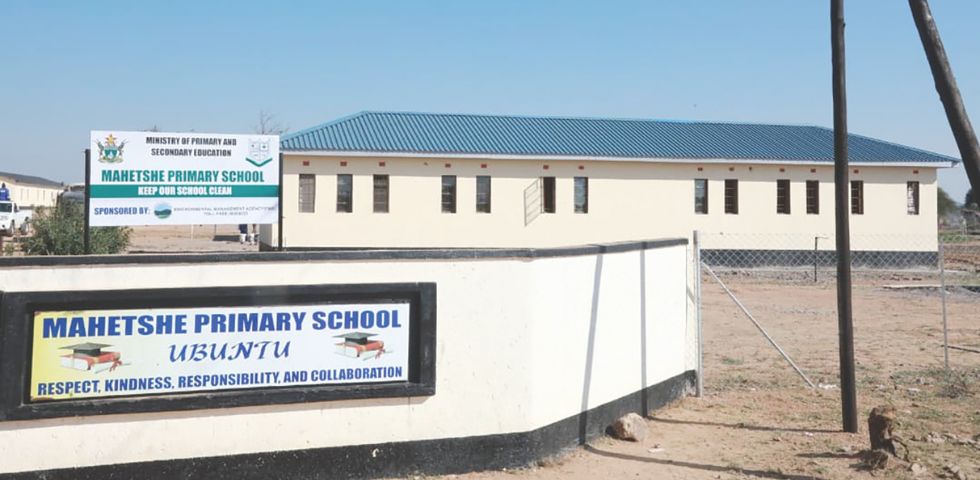
Independence Day celebrations are meant to be a reminder of where Zimbabwe came from and what it must become. But in many communities, the enduring value of such commemorations is measured not by flags in the air or speeches on the podium, but by whether tangible projects survive the heat of public attention.
In Maphisa Town and Matobo District in general, the evidence is plain: the legacy investments rolled out in the build-up to the 46th Independence Day have begun to change daily life — and, crucially, work on at least one critical transport artery is continuing even after the Uhuru celebrations have faded.
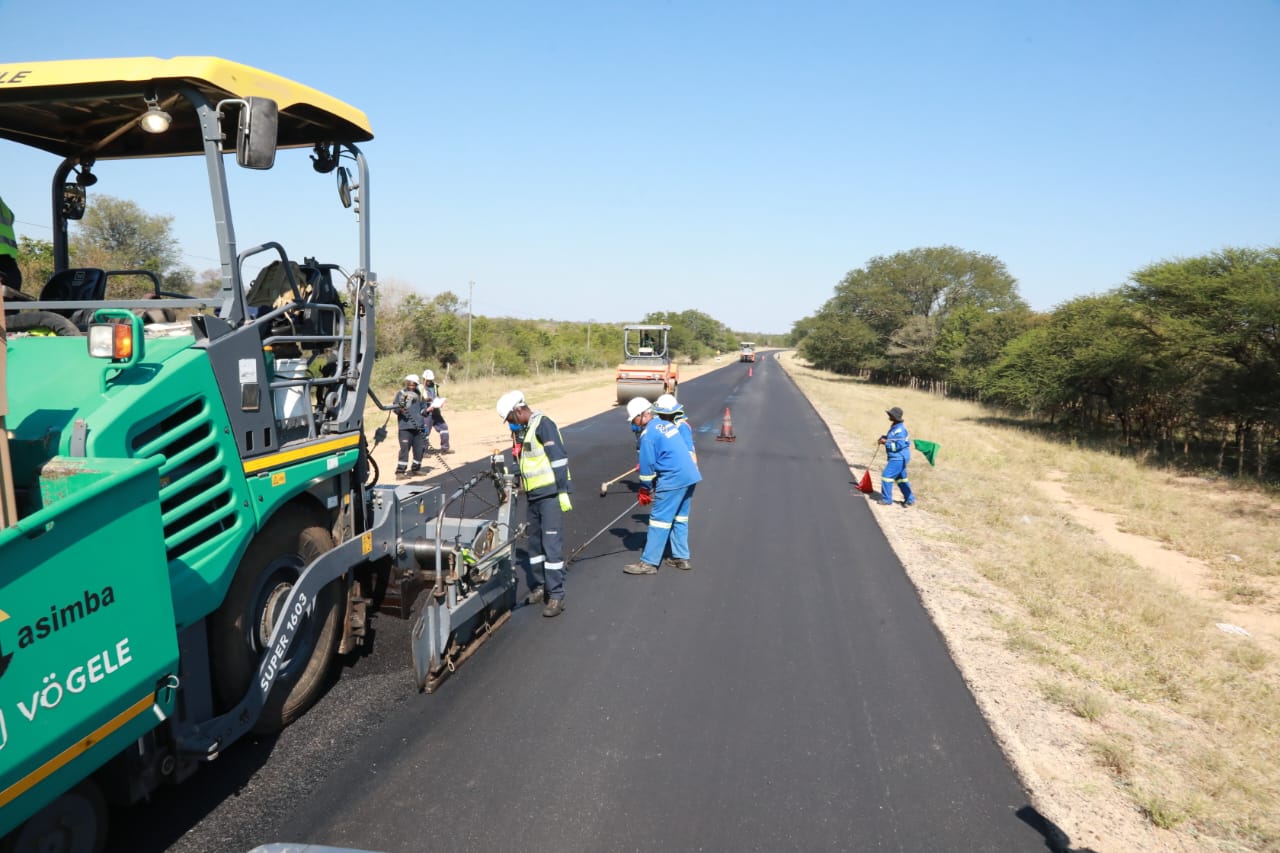
To the naysayer who predicted that the Bulawayo-Maphisa Road would stop once the celebratory period ended, the weeks that followed Independence Day have served as a rebuttal. What should alarm Government critics is not simply that the road project exists, but that the project is still moving forward. That continuity matters.
Too often, communities recall promises that appeared during public holidays only to disappear shortly thereafter. Therefore, the sight of contractors still hard at work on sections left unfinished by 18 April is more than project management — it is a signal that the State can be held to commitments beyond ceremonial deadlines.
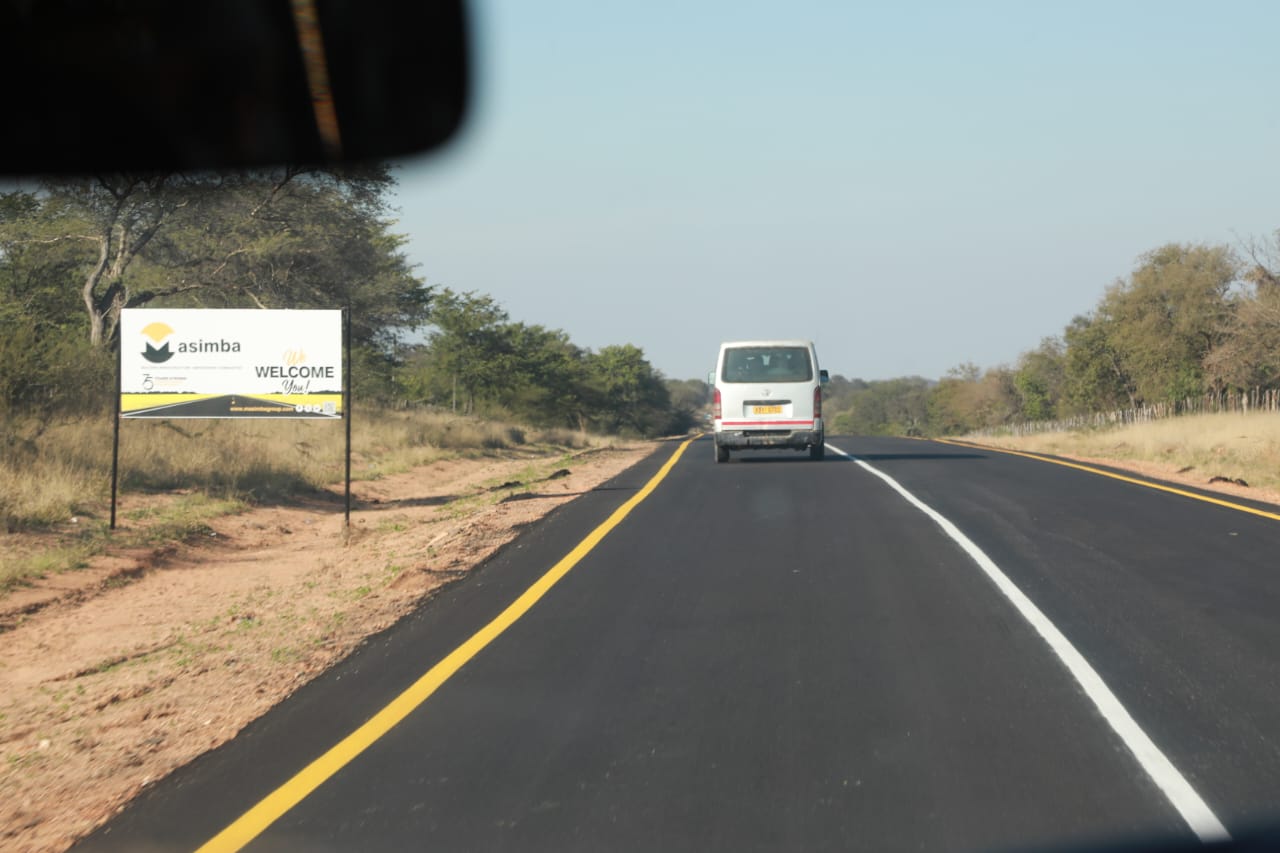
The Bulawayo – Maphisa Road is not a local convenience. It is the major artery linking the country’s second largest city to a rapidly growing town in Matabeleland South. In practical terms, improved road connectivity means reduced travel time, lower transport costs, safer journeys, and better access for goods and services.
It also means economic opportunities become more real: farmers can move produce to markets with less spoilage; small businesses can draw customers and suppliers; and students and workers can travel more reliably. A road, in other words, is not merely concrete and asphalt — it is time saved and opportunities unlocked.
For the independence celebrations, the Government has established education-focused developments at Mahetshe Primary and Secondary schools, including laboratories, classroom blocks, early childhood development facilities, teachers’ cottages, a large 700-seater hall, an A-Level block, a computer laboratory, and administrative structures. These address the core conditions that determine whether learning is possible and whether teachers stay.
The headmistress at Mahetshe, Mrs Sibusiso Sibindi, credits the changes with improved enrolment and attendance. Her account is significant for two reasons. First, it captures what citizens can see with their own eyes: a school that “looks better” tends to create psychological safety for parents.
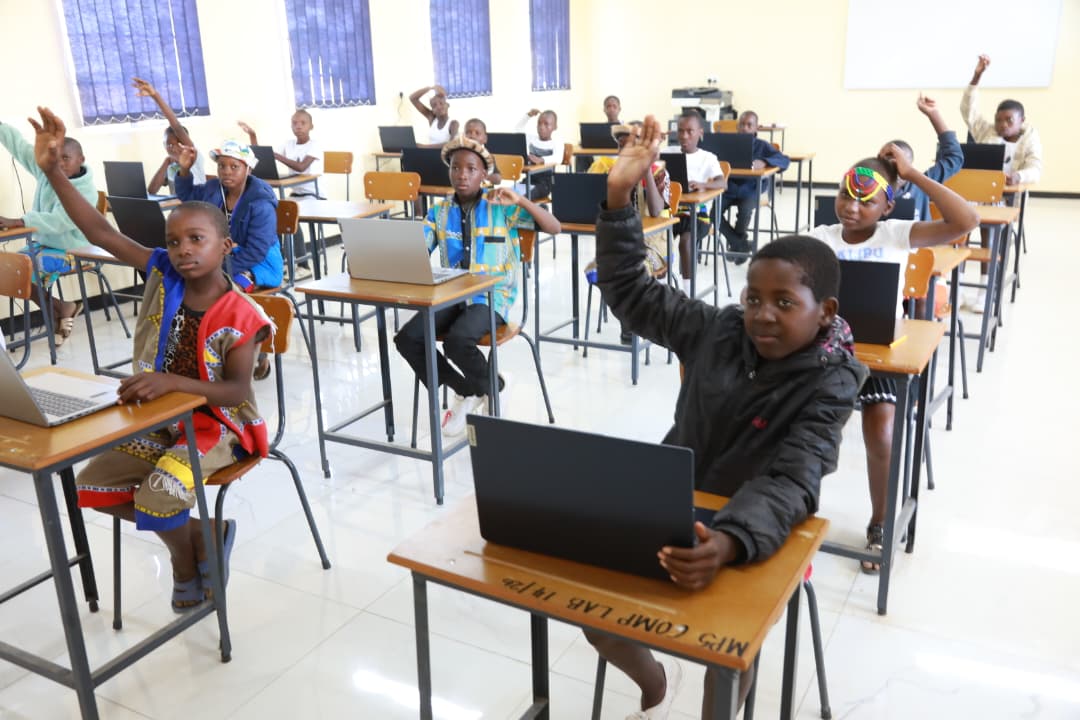
When a school has tangible facilities — classrooms, laboratories, computers — parents interpret that as a sign of serious investment and serious teaching. Second, her remarks show that confidence can translate into action. Parents are allegedly visiting daily to seek places, including children returning from the diaspora who previously were not given a fair chance. That is a powerful indicator: educational infrastructure has become a magnet.
The inclusion of income-generating projects — such as gardening, fish farming, and related efforts—adds another layer. Education is not insulated from economics. When schools generate income through productive activities, they can supplement operations and reduce pressure on families. But again, the key is sustainability through shared responsibility: if parents pay tuition fees, and treat the school as communal infrastructure, the gains move from “project phase” into “institutional progress.”
There have also been other works across the district: rehabilitation and completion of Kezi Hospital and Maphisa District Hospital, and construction of the Joshua Mqabuko Nkomo Vocational Training Centre.
This broader picture matters because development is interconnected. Roads move people and products; hospitals safeguard health; and vocational training builds employable skills. When education, healthcare, and transport advance together, communities begin to experience development as an ecosystem rather than as isolated interventions.
It is therefore important to realise that independence should not be measured in moments; it should be measured in momentum. The fact that construction on the Bulawayo-Maphisa Road is continuing weeks after Independence Day suggests that Government legacy projects can be more than pageantry. But momentum must be protected through transparency, quality assurance, and predictable funding. Contractors must be held to timelines, and the public must be informed about progress. Otherwise, continuity could be accidental rather than systematic.
In Maphisa, the immediate transformation — rising enrolment, improved attendance, modernised facilities, expanded learning opportunities — is a hopeful indicator that investment can translate into social change.
The best tribute to Zimbabwe’s independence is not only to celebrate what was won, but to build what is needed. If the Uhuru spirit can be matched by post-celebration persistence, then this “afterglow” in Maphisa can become a national benchmark: development that starts with Independence Day, but continues to serve the people long after the last drumbeat.


 Online Reporter