

 Online Reporter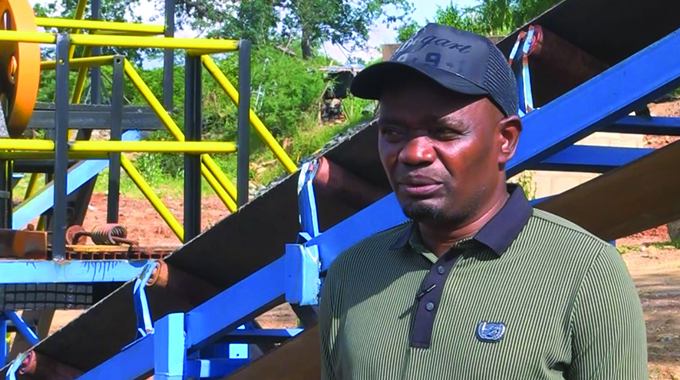
Judith Phiri
THE implementation of mechanisation and advanced technology at Stella B Mine in Maphisa, Matobo District, Matabeleland South Province, has driven substantial efficiency gains and increased output, while simultaneously generating over 2 500 local jobs.
This job creation, facilitated by the Second Republic’s business reforms, has significantly improved economic prospects within the region’s gold mining community.
The mine’s revitalisation is vital, not only for economic stability, but also for supporting diverse community groups, including women, young people and war veterans, thereby promoting a more inclusive path to prosperity.
Mine owner and Zanu-PF Gwanda-Tshitaudze Member of Parliament, Mr Fisani Moyo, said the business has invested in cutting-edge mining equipment and is committed to further contributing to the national economy.
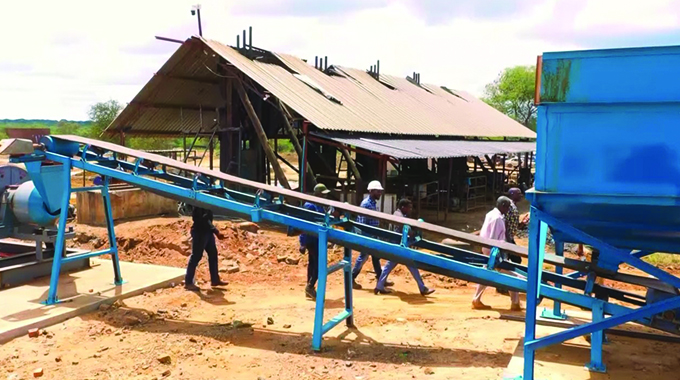
“Mechanisation is transforming the mining landscape at Stella City B Mine. We have moved from a small to a medium-scale operation,” he said. “Investing in cutting-edge mining equipment has significantly boosted our productivity, creating over 2 500 jobs in Matabeleland South and across the country.
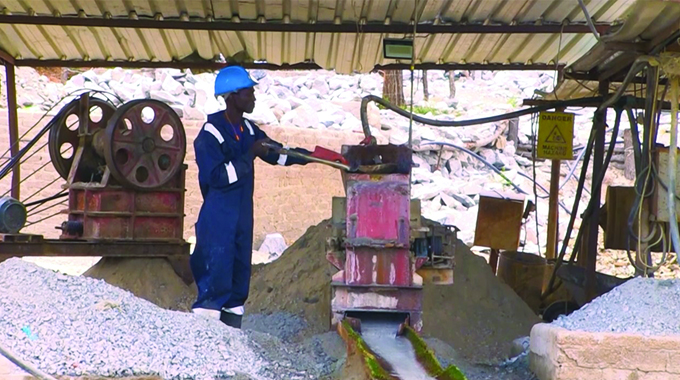
“Beyond job creation, mechanisation is unlocking new levels of efficiency and profitability in the mining sector. To date, we have seen numerous changes and developments. We previously only had stamp mills, but today we have bore-mills that can crush between five to ten tonnes an hour.”
Mr Moyo said the objective is to increase output and contribute to mining sector growth, aligning with President Mnangagwa’s Vision 2030 for an upper-middle-income economy. He affirmed the business’s commitment to ongoing community partnerships for sustainable livelihood improvements.
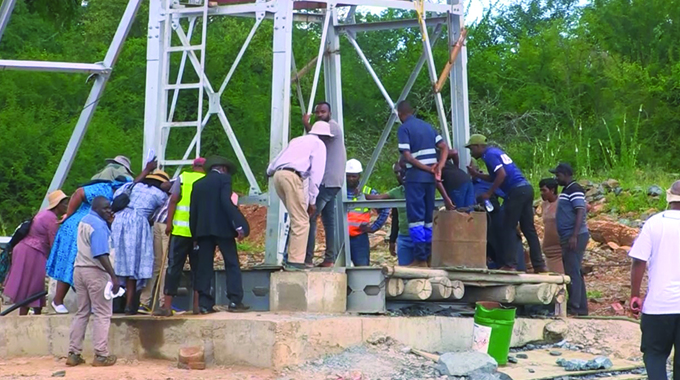
“We have transitioned from a small-scale mining company to a medium-scale one. What we look forward to is that, in five to six years, we will have scaled up to a large-scale mining operation. Currently, we are focusing on sinking more shafts. The one we are working on is 5×4 metres wide, and we have installed a headgear. We expect to produce 100 to 150 tonnes,” said Mr Moyo.
He added that they hoped to complete some of the projects by year’s end, with the crushing circuit at 95 percent completion, able to crush between five and ten tonnes of ore per hour.
“This will allow us to generate revenue to upgrade our system and income. We also aim to be counted as those who are positively contributing to the mining industry and the country’s economic growth.
“We urge everyone to take up responsible mining, as the sector is open to all Zimbabweans to help sustain their livelihoods and contribute to national development,” he said.
Mr Moyo encouraged miners and others to raise the Zimbabwean flag high and be proud of the country, aligning with President Mnangagwa’s philosophy: “Nyika inovakwa nevene vayo / Ilizwe lakhiwa ngabanikazi balo.”
“We have between 20 to 50 claims and are calling upon the community and various stakeholders, including investors, to join us. Together, we can empower everyone by using proper channels to sell our minerals directly to Fidelity Gold Refinery. We also commend Fidelity Gold Refiners for establishing gold-buying centres across the country, making it easier for miners.”
Artisanal and small-scale miners are the primary contributors to national gold production, accounting for over 65 percent, highlighting the positive effects of formalisation.


