happiness Chikwanha
‘Market-driven agricultural production now way to go’
Ashton Mutyavaviri
AGAINST the backdrop of the current burgeoning growth and dynamic changes in the agriculture industry, farmers must appreciate the power of market research in influencing their crop choices, target markets and ways of curbing post-harvest losses.
Knowledge and Transfer Africa (KTA) chief executive officer Dr Charles Dhewa recently urged farmers to conduct market research, trend analyses and even price watching to understand what to grow, when to and who to grow it for.
Market data can assist in the creation of production zones according to agro-ecological conditions in line with the current climate change threat.
“Collected data can be used to advise farmers on specific crops to produce rather than directionless production. We need to match production with demand for a dependable market offtake,” said Dr Dhewa highlighting how linkages between farmers and the market created market feedback, which is critical in regulating production and minimising post-harvest losses.
He said markets provided a general map and guide for farmers to make intelligent choices.
“Trends surrounding your particular commodities give you an idea about how to adjust in line with your resources in terms of costs and quality. Farmers usually end up losing to middlemen. It may be helpful if they can come together, reintroduce the farmers’ market concept where they coordinate and run their own marketing and even go on to adopt planned delivery and packaging and in turn, eliminate the role of the middlemen,” he explained.
Market evidence demonstrates the level at which agricultural commodities can achieve a break-even profit or loss while production and market records can enable farmers to come up with important decisions,” further observed Dr Dhewa.
While lack of organised production in the whole agricultural sector can be beyond an individual farmer’s influence, each commercial-minded farmer should make an effort to understand supply levels and competition dynamics in the market.
Dr Dhewa urged farmers to identify other competitive forces outside their commodities.
For any given commodity volume, the price might fail or increase not due to gluts or shortages but due to new entrants and exits in the market that either stretch or release the market budget.
He said: “Farmers can also reduce losses through market-oriented production calendars that inform them when to produce. Understanding market standards and expectations also reduces losses. It is usually through a mismatch between market standards and expectations that farmers lose out.”
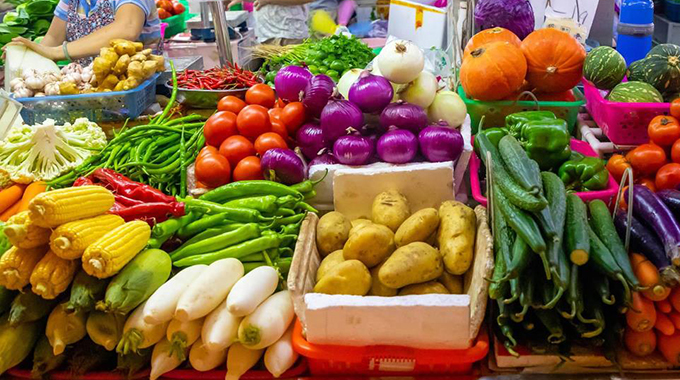
Farmers must know the market they produce for.
Dr Dhewa singled out product grading as another key issue, which farmers needed to understand.
If farmers do not understand commodity grades and how to aggregate their commodities, they end up depending on the market’s umbrella decisions about quality and other critical factors, he explained.
He further said consistency in production and supply was also a very important factor.
“It is not possible for a commodity to perform well throughout the season. Farmers should specialise in at least three to five commodities to spread risk. That way there are 60 percent chance of getting better prices. A strong relationship with the market can also be cultivated as farmers become famous for being consistent suppliers. Traders do not often want to waste time and resources looking for new suppliers,” he explained.
He challenged farmers to plan for the market and household consumption in terms of commodity selection, adding that commodities destined for the market faced competition based on factors like price, buyers, standards and specifications.
Meanwhile, Zimbabwe Farmers Union (ZFU) secretary general Mr Paul Zakariya also added his voice saying most farmers planted crops before engaging in proper market research, which significantly affected their businesses.
“Farmers should have enough knowledge of the market trends. We need to understand the market structure. Farmers must know the market they produce for,” he added.



 Online Reporter