happiness Chikwanha
Ashton Mutyavaviri
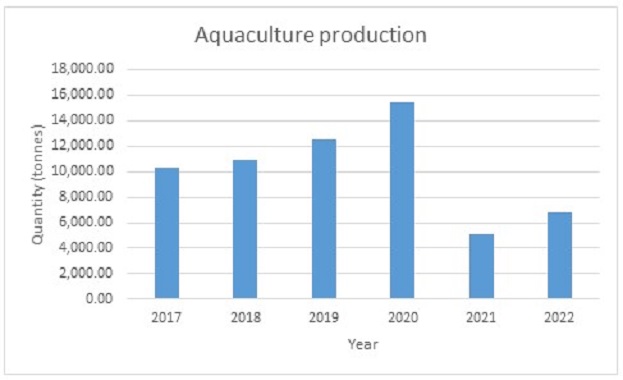
THE aquaculture sector is slowly emerging from the woods following a sharp plunge in 2021 in which 5 056, 88 tonnes of fish were recorded down from 15 425, 11 tonnes in 2020, then re-gained its footing to end 2022 with 6 807, 01 tonnes of fish in a development attributed to high production costs and the industry’s fragmented way of doing business.
The sector witnessed a 33 percent growth between 2017 and 2020, before drastically declining 67 percent in 2021 but took an upward swing of 25 percent in 2022, thanks to Government’s intervention measures.
Fisheries and Aquaculture Resources Production Department expert Ms Lorraine Kudakwashe Salimu said the industry was grappling with a lack of interest from financiers and funding models that could sustain the business.
“Fish farming is not a quick money-making scheme like other farming projects such as maize production where you know that in one season you would have a profit. Most agriculture financing models are underpinned on the loanee paying back the money and some interest after the first season, which is not the same with aquaculture so there tends to be less interested parties in the business that can extend loan facilities for fish farmers,” she explained.
She added that the industry needed policies that could also address its needs.
The Government is pulling out all stops to ensure the country achieves a US$1 billion fish industry by 2030 with eight breeding sites and 460 fish ponds having already been established countrywide to guarantee the availability of enough fingerlings to meet the anticipated high demand the project will trigger.
In 2017, the Government launched the Command Fisheries Programme and supplied fingerlings to several dams across the country with the Zimbabwe Parks and Wildlife Management Authority (Zimparks) indicating that if all dams were fully utilised for fish production, the aquaculture industry could support more than 1, 2 million people at the primary production level.
The Command Fisheries Programme was designed to contribute towards the provision of food, promote good health among citizens through improved diets while alleviating poverty at the same time.
The country’s dams can produce at least 1, 5 million tonnes of fish per year if fully utilised, which can produce meaningful revenue for citizens involved both directly and indirectly in the industry.
Eight breeding sites at places that included Henderson Research Station in Mazowe, Murehwa, Bubi, Makoholi and Matopos to name some of them were also established.
The move will also contribute to the achievement of the national agenda to replace imports with locally produced products through improved food and nutritional security, employment creation and improved incomes.
Additionally, the Government has trained people on how to make fish feed according to their different agro-ecological regions.
The Government is targeting to stock 1 200 dams with the potential to increase Zimbabwe’s consumption rate per capita to 13 kilogrammes by the year 2025.
The introduction of community gardens that accommodate two fish ponds and the various dam projects currently underway across the country has given birth to many fish hotspots that have the potential to turn commercial and generate incomes for the participating households.
Fish farming is the fastest-growing food-producing sector and can be done more efficiently and cost-effectively.



 Online Reporter