Online Reporter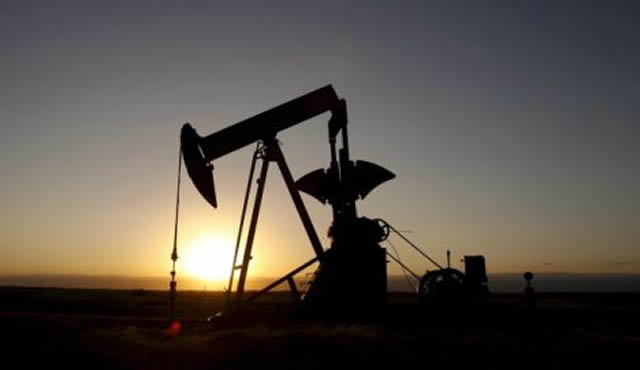
The global economy is once again walking a tightrope. Over the past month, a volatile mix of geopolitical conflict, oil price shocks and unclear central bank signals has tested the nerves of investors and policymakers.
While markets have remained broadly stable, the risk landscape has shifted in subtle but significant ways. Tensions between Israel and Iran intensified after Israel struck nuclear and military targets in Iran.
The market’s immediate reaction was sharp: Brent crude increased by more than 12 percent in early trading to US$78,50 per barrel. While prices quickly lowered to around US$73 this knee-jerk response highlighted how exposed global supply chains remain to geopolitical shocks.
The Strait of Hormuz, through which roughly a third of the world’s seaborne oil passes, remains a flashpoint. Yet, historical context seems to temper fear.
Previous crises, from 9/11 to the Russian invasion of Ukraine, have caused similar oil spikes that later subsided.
Even during the 1980s tanker war, oil prices stabilised within weeks.
Unless a significant supply disruption materialises, history suggests that oil markets could calm down.
Still, this uncertainty complicates the already difficult job of central banks. The US Federal Reserve, the Bank of England, and the European Central Bank have all been inching toward rate cuts in the second half of 2025. However, oil-driven inflation could now delay those plans.
US monetary policy, in particular, faces conflicting data. Headline inflation has eased but geopolitical risks and lingering wage pressure cloud the picture.
The Fed, which kept interest rates steady at its last meeting, may continue to hold rates through the third quarter.
Some policymakers fear that cutting rates too soon, particularly with oil prices rising, could reignite inflation expectations and undo the hard-won credibility of recent years. — Moneyweb