Online Reporter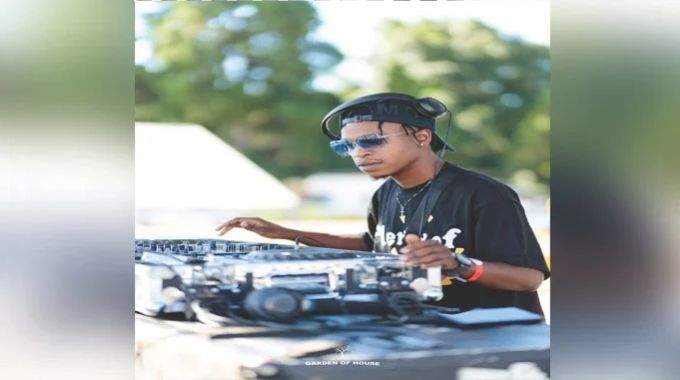
Bongani Ndlovu, [email protected]
For most of his childhood, Bradley Masawi seemed destined to follow a familiar script. Football was in his blood. His father, Itayi Masawi, had played for Highlanders before moving to Black Rhinos, while his uncle, Thabani Masawi, was a Highlanders star. His grandmother regularly entertained him with stories about how famous his fathers had been during their playing days.
The expectation was always there.
Born on May 30, 1999, Bradley, now 27, grew up in a family where football was deeply woven into its identity.
At Mthimkhulu Primary School, Bradley played for the school team, but nobody paid much attention to him. It was only when he moved to Mzingwane High School that his football ability began to attract attention.
By then, he was already playing for First Mobile Soccer Academy (FMSA), where Thabani and another Highlanders legend, Dazzy Kapenya, were developmental coaches.
“At Mthimkhulu Primary School he played for the school team and no one took notice until he went for his high school at Mzingwane High School. He was already playing for First Mobile Soccer Academy,” Itayi recalls.
“During that time I was based in South Africa and I was only getting rave reviews from his uncle Thabani that he was playing so well.”
Bradley played alongside Malvern Sibanda, now with Highlanders, at Mzingwane and the pair went on to represent the province at the NASH Games in Mutare. His junior football journey also brought him into contact with players who would later make their mark at top clubs, including Andrew Mbeba, Nkosilathi Ncube and Genius Chidzikwe.
Yet, even as his talent emerged, Bradley carried the expectations that came with his surname.
“Growing up in a football-rich family was exciting, but at the same time it was tough because there were a lot of expectations,” Bradley says.
“Whenever I mentioned my full name, people would get shocked and start asking about my fathers. Sometimes I felt like I was erased from the picture.”
But the surname also opened doors.
“Having that background also came with advantages. Big teams wanted me and I got special treatment and privileges, especially at school.”
For Thabani, known by legions of black-and-white supporters as Mqwayi, Bradley had the qualities needed to pursue football.
“We all thought he was taking the football route. He was a fast player, had the touch and the football acumen when growing up. We were there to guide and support him using our experience as professional players. The expectation for him to become a footballer was always there, but he was never pressured.
“However, it was not mandatory for him to become a footballer. We supported whatever career choice he made.”
Bradley admits football did not initially come naturally to him.
“Initially, I didn’t like football. I was actually terrible at it.”
His cousin Warren, Thabani’s son and also an aspiring footballer, pushed him to improve.
“My big brother Warren pushed me hard to learn the basics. We would train in the spare room because the expectations were starting to grow.”
His grandmother’s stories about his fathers’ exploits also changed his attitude.
“I worked hard because I wanted to reach the level at which my fathers had ruled the pitch. It was in my DNA.”
His style eventually earned him the nickname Neymar.
“I can’t really brag about how good I was, but I was called Neymar because of my dribbling and because I loved Neymar. The juniors loved watching me play.”
After his O-level studies, Bradley took a gap year and played for FMSA, hoping to secure an overseas opportunity.
“I actually took a gap year after my O-level because I wanted to pursue football.
“I played for First Mobile Sports Academy because I was hoping to get an overseas scholarship in Canada. The offer was on the table, but I didn’t have the patience. Peer pressure also played a role and I wanted to return to school.”
His football journey, however, was complicated by his parents’ different priorities. Itayi was based in South Africa, while Bradley’s mother, a teacher, became increasingly strict about his studies when he reached Lower Sixth.
“I was well equipped with football boots and kits that I left for him and his uncle had just retired,” Itayi says.
“So every time he would want to go for training, the mother would just lock all his football stuff in the wardrobe and take away the keys.
“And mind you, I was away and he would cry to me that he was being denied the opportunity to go for training. I would try to convince the mother, but due to the fact that I was miles away, it was fighting a losing battle.”
Itayi believes that period changed the direction of his son’s life.
“I guess that period he somehow lost interest in the sport and became more serious with his studies and was saying he now wanted to be an accountant.”
As the football dream faded, music emerged.
After completing his A-level studies, Bradley developed a serious interest in DJing. His first encounter with the decks came in 2019, when he was 20.
“My uncle had a local gig, a birthday party for my neighbour. He trusted me to play around with his equipment.” Music became both an outlet and an escape from pressure.
“Music was a way for me to meditate and stay calm.”
Initially, however, his family resisted his new passion, fearing the temptations associated with nightlife.
“It was a tough time because my family was against it,” Bradley says.
“My father even took me for counselling because they were worried about the entertainment industry and the things I could be exposed to.”
Bradley argued that DJing could provide opportunities football could not.
“We would argue as he would say, ‘Look at the boys playing in the Premier League teams, they don’t get paid, but as a DJ I can make more money,’” Itayi says.
Eventually, the family relented.
“One thing led to the other and we supported him.”
Bradley began playing wherever he could, including local sports bars, shebeens and eMazengeni.
“I was playing at shebeens, eMazengeni (a shebeen in Magwegwe North where he grew up) and kasi sports bars, sometimes for free because I loved the music. I would come home late without any money.”
The early years were financially difficult.
“One of my biggest challenges was getting well-paying bookings so that I could invest in my brand.
“Sometimes I would spend money on transport and refreshments and wake up the next day with nothing.”
The turning point came when he started playing at Smokehouse in 2020.
“I started playing at Smokehouse in 2020. It meant a lot for me because I was from the ghetto, being used to playing at our local sports bar and the popular shebeen eMazengeni.
“The atmosphere was different and the supply of opportunities was high, so was the pay.”
Smokehouse helped him build a professional profile and secure bookings at major events such as Bulawayo Shutdown and Garden of House.
DJing stopped being a hobby when Bradley landed Shorts and Shades, where he curtain-raised for Young Stunna at ZITF.
“The excitement and payment were motivating to push harder to get more of those gigs, because soon after that one I was lined up with Cassper Nyovest and Winky D within a short period of time.”
Itayi witnessed his son’s transformation first-hand.
“There was this gig that he had at the ZITF grounds where Young Stunna was supposed to be the main act. He had invited me and I was stunned to realise that he was making the whole stadium vibe to his selection of music.
“As if that wasn’t enough, he was booked to perform at the Bulawayo Shutdown at Queens Sports Club, where he performed alongside the likes of Winky D, Jah Prayzah, Cassper Nyovest, Killer T and more.

“There he also killed it and from then on he became the family DJ. Every time we have a family event, we no longer hire a DJ.”
But Bradley still had another battle — establishing DJ Stout independently of the Masawi football name.
“I didn’t want people to book me because of my surname. I wanted people to book me because I had done a great job.
“I wanted to establish my own brand first.”
Now that he has done so, he sees the surname differently.
“Now that I have established myself, mentioning my background has become a bonus.
“People know my path now, and the surname can still help me get gigs.”
Thabani has also used relationships built during his football career to help his nephew.
“Thabani has been very supportive. He has used his connections with old and new friends to help me grow,” Bradley says.
“If I get a chance to play anywhere, I make sure I please the audience and the client.
“I want to build relationships and make sure I don’t burn the path that Thabani paved.”
Bradley also credits his maternal uncle, DJ JayB of Iyasa, with nurturing his interest in the decks.
Football, meanwhile, has not completely disappeared from his life.
“Football taught me discipline.
“It taught me how to work hard, handle pressure and remain hungry to win.”
Thabani sees similarities between his nephew’s two worlds.
“There are similarities between football and entertainment. Both require self-discipline and professionalism.”
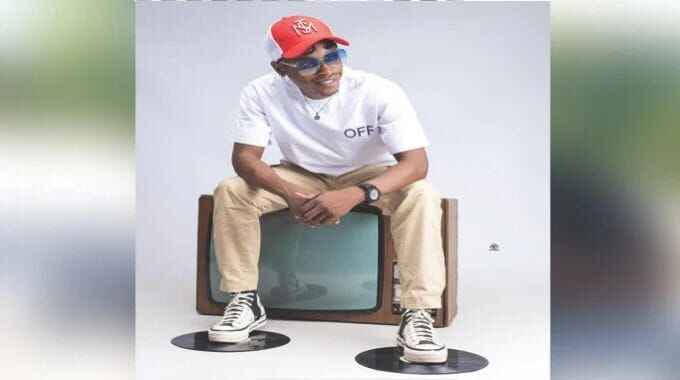
Bradley now receives bookings from clubs and events and is part of Ingubo Ende, a private event held at least once every two months, where DJs perform intimate house listening sessions incorporating live instruments.
For Thabani, Bradley’s decision to pursue entertainment does not represent a break from the Masawi legacy.
“Bradley is already creating his own legacy. Many people may not even know that he comes from a football family.
“He is continuing the Masawi name through a different career path. Football and entertainment are both about entertaining people.”
Itayi is equally proud.
“Today I am a proud dad because he has kept his promise that he won’t be swayed into anything else other than his love for music.
“I wish him all the best of luck in all his endeavours.”
For Bradley, the Masawi name is no longer something to escape from. His fathers were known for
being clean and smart away from football, values he wants to carry into entertainment.
“My fathers were known for being clean and smart outside football, and they still are.”
The pitch may not have claimed another Masawi, but the family name lives on — this time behind the decks.