Online Reporter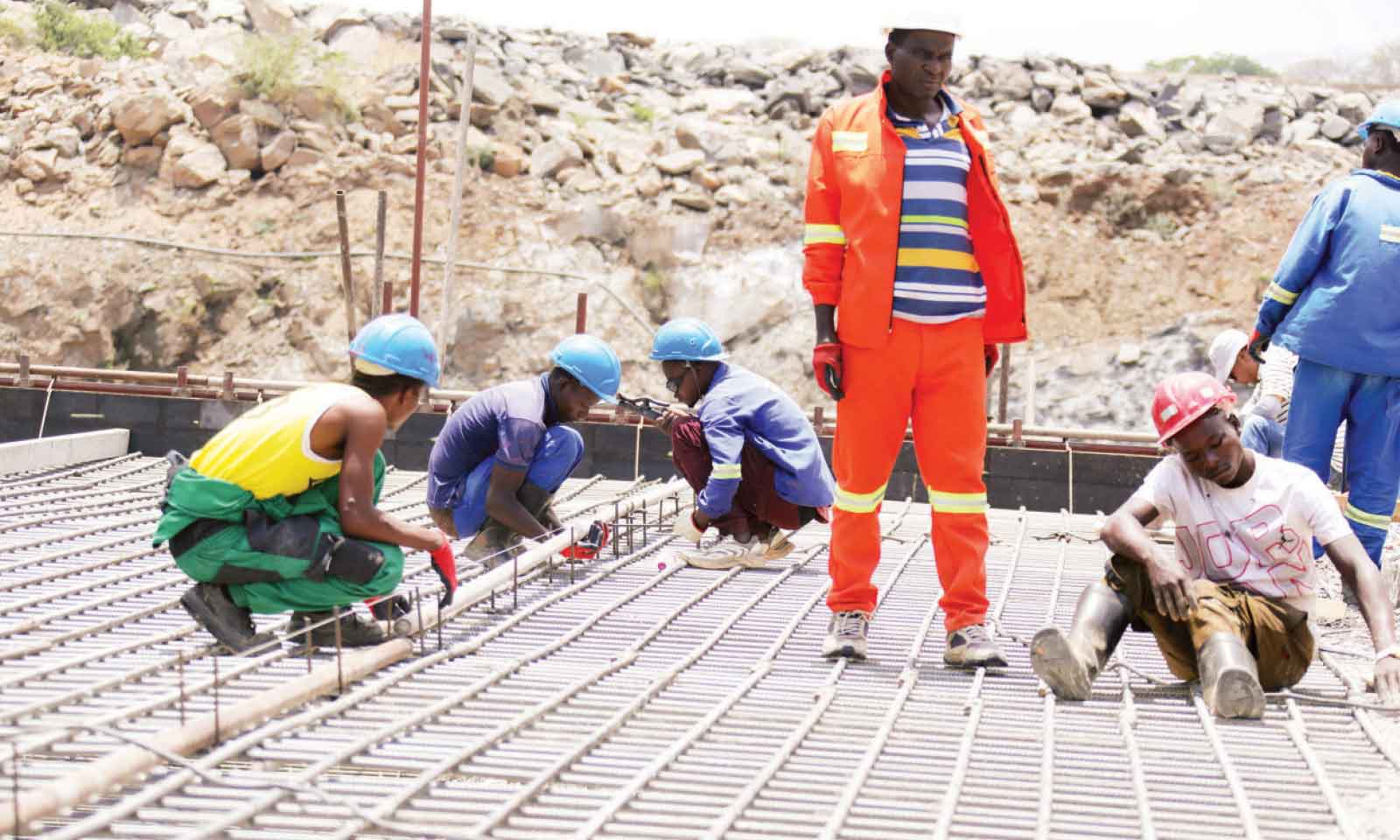
Fungai Lupande
Mashonaland Central Bureau
MASHONALAND Central Province recorded major gains under National Development Strategy 1, driven by investments in infrastructure, water, energy, health and education.
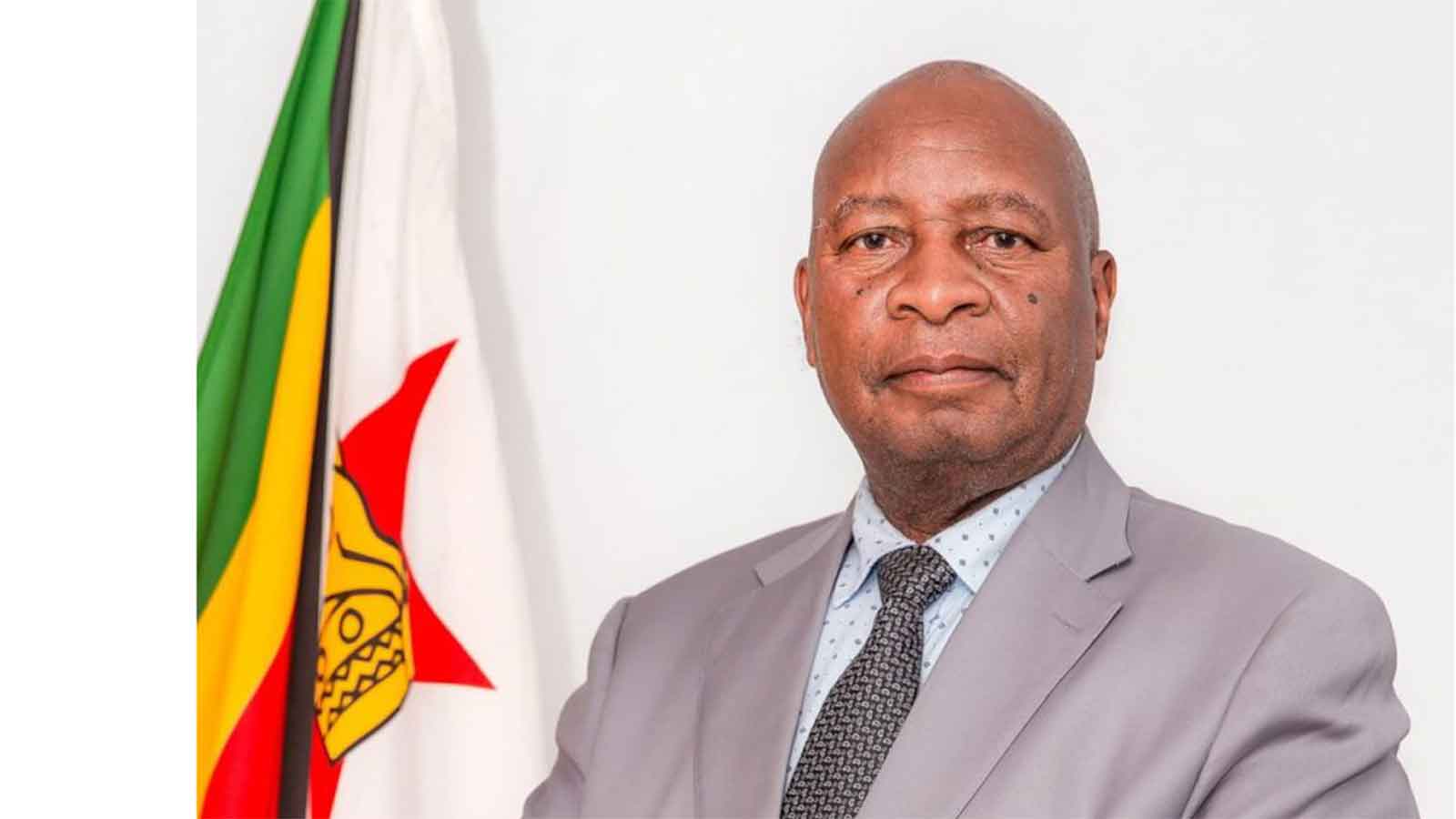
In an interview, Minister of State for Provincial Affairs and Devolution, Christopher Magomo described 2025 as a historic year, marking the final phase of NDS1 and a transition towards NDS2.
Launched in 2020 under the theme “Towards a Prosperous and Empowered Upper Middle-Income Society by 2030,” NDS 1 prioritised inclusive development guided by the principle of leaving no one and no place behind.
The Minister said devolution played a key role in empowering communities to take part in development planning, resulting in the successful formulation and implementation of the Provincial Economic Development Plan 1 (PEDP 1).
Among the major achievements were large-scale water infrastructure projects being implemented by the Zimbabwe National Water Authority (ZINWA).
These include the US$420 million Dande Dam and Tunnel Project, as well as Semwa, Bindura and Mbada (Silverstroom) dams, all at different stages of completion.
“These are long-term strategic investments that will transform agriculture, mining and domestic water supply across the province,” said Minister Magomo.
Significant progress was also made in road infrastructure development, particularly on the Harare-Kanyemba Road, a strategic Public-Private Partnership project, with Phase 2 now underway.
Other key roads upgraded include St Albert’s Road, Rushinga-Chimhanda Road, and Mukumbura (Ndodahondo) Road, improving access to markets and services.
“The upgrading of our road network is opening new economic opportunities and improving connectivity for communities across the province,” the Minister said.
In the energy sector, the Guruve Solar Park emerged as a major success, with Phase 1 (5MW) completed and Phase 2 nearing completion.
Grid expansion by ZETDC connected nearly 1 500 new customers, while biogas digesters were introduced at both household and institutional levels.
Agriculture, identified as a key driver of inclusive growth, benefited from the Productive Booster Kits Programme, irrigation rehabilitation and expansion, and the establishment of Village Business Units (VBUs) and boreholes under the Presidential Rural Development Programme.
Major investments were also made in education and health.
This year, 135 classrooms and 250 toilets were completed across the province.
New schools were constructed, while several existing schools got new science laboratories.
In the health sector, new clinics were completed in Bindura, Shamva, Mazowe and Muzarabani, and several health facilities were upgraded to improve access to quality healthcare.
Despite these gains, Minister Magomo acknowledged challenges, including funding delays, natural disaster-related infrastructure damage, and quality control issues.
“We celebrate the successes, but we also acknowledge that some projects stalled or did not deliver the desired impact. Development is a journey, and we share both the successes and the shortcomings,” he said.
Provincial Director of Infrastructure Development Mr Walter Chahweta described 2025 as a year of “measurable impact on the ground,” citing progress in transport, education, water, sanitation and irrigation.
He said the Harare-Kanyemba National Road Project remained one of the most impactful developments, with dualisation works along the Harare-Mazowe section ongoing, significantly improving road safety and efficiency.
In Mazowe District, rehabilitation of the Kakora–Belock Road is nearing completion, with 16 kilometres surfaced and overall progress at 90 percent.
In Muzarabani, road alignment works on the Nzoumvunda Road are progressing, with four kilometres formed so far.
The province also commissioned the Chiwenga 45KW Solar Project in June 2025, boosting access to clean energy for essential services.
Access to education improved significantly, with 135 classroom blocks, 20 staff houses, two science laboratories, one hostel, and 250 toilets and water facilities completed.
Six new schools were built, including Mt Bel, Muuyu and Zvitokwe Primary Schools, as well as private institutions Anarphy High School and Taalnet Belrock Oasis.
Several schools also launched income-generating projects using water schemes supported by partners such as World Vision, UNICEF and WHo, alongside community contributions.
Between January and December 2025, 524 boreholes were repaired, while additional boreholes were drilled, rehabilitated and solarised, improving water security, especially in drought-prone areas.
A major milestone was recorded at Bindura University of Science Education, where a cell phone assembly and manufacturing plant reached 99 percent completion and became operational in October 2025.
President Mnangagwa, in his capacity as Chancellor of State Universities, officially commissioned the Palpo cell phone manufacturing plant during the university’s 24th graduation ceremony.
“The affordable products are already on the market and several ministries have shown interest in rolling out Palpo tablets to schools,” said Mr Chahweta.
Despite approved development plans, no devolution funds were disbursed in 2025, resulting in stalled projects.
“Some local authorities had to pre-fund projects from their limited resources, such as the Kurai Sewer Stabilisation Ponds in Mvurwi. This shows commitment, but it is not sustainable,” Mr Chahweta said.
He stressed the need for timely funding, stronger local authority resilience and broader stakeholder participation.
Outlook for 2026
Looking ahead, Mashonaland Central has prioritised major projects for 2026, including the Harare-Kanyemba Road (350km), Ruya-Mukumbura Road, dam construction, civil servants’ housing, river rehabilitation, energy projects and the ZIMOZA Transboundary Conservation Project with Mozambique.
“With improved funding flows and continued collaboration, Mashonaland Central is well-positioned for accelerated development,” Mr Chahweta said.