

 Online Reporter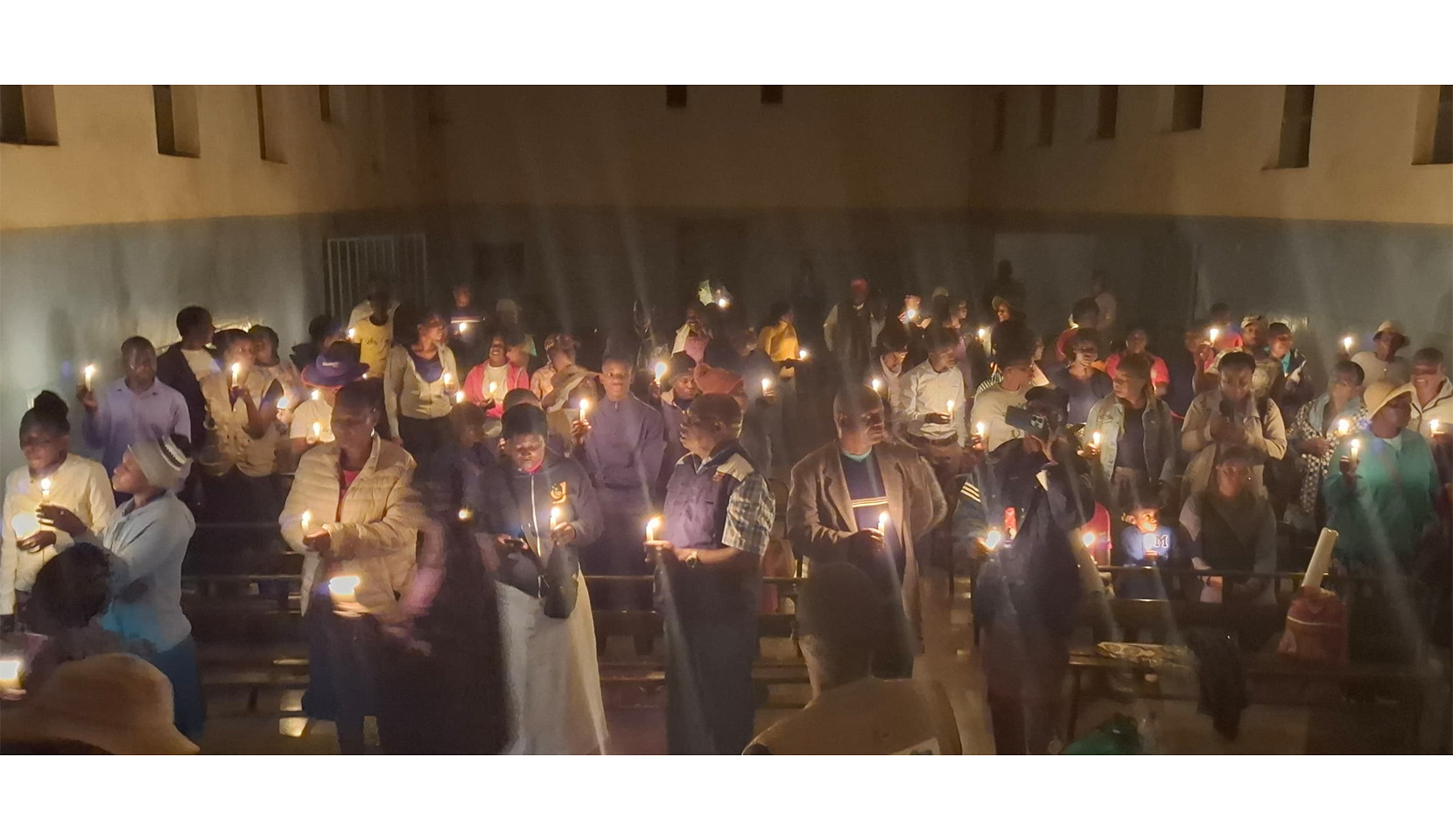
Walter Nyamukondiwa in Kadoma
Stakeholders in Mashonaland West province gathered for the Candle Light Memorial Service to honour those who succumbed to HIV-related deaths.
The stakeholders, including people living with HIV, commended the government for guaranteeing the availability of free antiretroviral drugs.
Zimbabwe National Network for People Living with HIV (ZNNP+) representative Mr Allan Makunganya said people continued to receive free medication.
“We would like to commend the Government for ensuring that people living with HIV receive their medication free of charge,” said Mr Makunganya.
“Each candle symbolises a life lost, lives taken from us too soon. There are people who fought tirelessly against stigma and discrimination to achieve what we have achieved as a people and nation.”
He said people could now live normal and healthy lives.
People living with HIV, support organisations, and the Kadoma community attended the Candle Light Memorial under the theme “Together We Remember, Together We Heal Through Love and Solidarity,” which puts the community at the centre of the HIV response.
In a speech read on her behalf by Provincial Medical Director Dr Celestino Dhege, Mashonaland West Provincial Affairs and Devolution Minister Marian Chombo said efforts should be made to fight stigma and discrimination, which remains a barrier to effective management of HIV.
“Stigma and discrimination remain formidable barriers that prevent many from seeking the care they need. Today, I call upon each of you – community members, healthcare providers, and policymakers – to join hands in breaking down these barriers.”
Minister Chombo said there was a need to create an environment where every individual felt safe, respected, and empowered to access the services they required.
The Government, she said, was committed to ensuring equitable access to healthcare for all.
In his solidarity message, National Aids Council (NAC) official Mr Davison Mambudzi said people should take a conscious decision to fight stigma and discrimination, as recent studies had shown it remained a major barrier to people seeking to know their status, treatment, and support.



