Chronicle Editor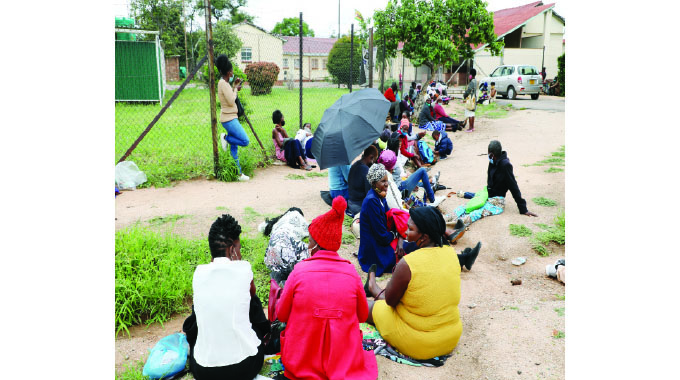
Mashudu Netsianda, Senior Reporter
BULAWAYO City Council (BCC) clinics have been hit by mass exodus of nurses, a development that has further crippled the city’s health delivery system, which was already operating at 60 percent capacity.
The council runs 19 clinics in the city and they are operating with staffing levels of between 49 and 61 percent. Council requires a staff complement of 186 nursing staff to operate at full capacity.
However, the local authority has been running with 120 nurses but resignations has seen the figure dropping to 87 after 33 nurses left between June last year and this month.
Nurses who resigned cited poor salaries and working conditions. It could not be immediately established how much the nurses are earning but the lowest paid council worker earns $14 000.
Authorities are now fearing for the worst saying if the issue is not resolved in the next three months, it is likely to turn into a health catastrophe.
The latest developments come as the local authority is battling service delivery challenges due to a sharp decline in revenue inflows.
According to council, only 16 percent of its ratepayers paid fully their bills in 2020 while 22 percent did not make any payments resulting in council being owed nearly $663 million.
In January, Bulawayo City Council (BCC) workers went on a five-day strike over poor salaries, crippling critical services such as primary health care, refuse collection and burials.
The industrial action resulted in clinics being closed resulting in people failing to access primary health care.
Uncollected garbage in the city centre and residential areas was also piling up.
Bulawayo city Health Director Dr Edwin Sibanda painted a gloomy picture on staffing levels, saying since December last year, the council has been receiving about five resignations a month from disgruntled nurses.
“The number of nurses tendering resignation letters at our clinics is very high. From June last year to date, 33 nurses have resigned from their posts and an average of five resignations are received every month,” he said.
Dr Sibanda said shortage of nurses is compromising the quality of health care as patients cannot be attended to on time
“You find that patients spend several hours before they are attended to as a result of shortage of staff. Even if we get replacement it may not immediately address our challenge because there is a three months training and orientation that they will have to undergo,” he said.
Dr Sibanda said some of the nurses who would be on contract, immediately leave their jobs upon completing the three months inhouse training.
“Our clinics are operating at between 49 and 61 percent staffing levels and the figures vary depending on individual clinics affected by the resignations. You will realise that at times some of these nurses leave soon after finishing their orientation and training programme to seek greener pastures elsewhere including outside the country.
“We think the UK has started taking our nurses and there are local NGOs involved in health care services that are also recruiting some of the nurses and paying them in hard currency. Again. this has been worsened by the fact that council has in the past been facing a decline in revenue inflows resulting in delays in salaries,” he said
Dr Sibanda said delay in the payment of salaries was a major challenge facing council and was contributing to the exodus of nurses.
“You will note that even when our nurses are getting local currency equivalent to the hard currency earned by their colleagues from other organisations, they will still leave because that pay in hard currency is paid on the agreed date,” he said.
Dr Sibanda said some of the nurses had commitments such as paying fees for their children outside the country and as such were persuaded to join organisations that pay in hard currency.
“The highest number of resignations was recorded late last year because the nurses were preparing to take up new jobs in January,” he said.
BCC Town Clerk Mr Christopher Dube said council is contemplating engaging retired nurses and temporary ones to address the looming health crisis.
“Council is losing quite a number of nurses who are joining other organisations and going to other countries.
“We are now thinking of hiring temporary nursing staff and engaging retired ones while still waiting for Government approval to hire permanent ones,” he said.
Mr Dube said most of the nurses that have remained are the elderly ones and this was compromising the health delivery system as they are overwhelmed by the workload. — @mashnets



 Online Reporter