Online Reporter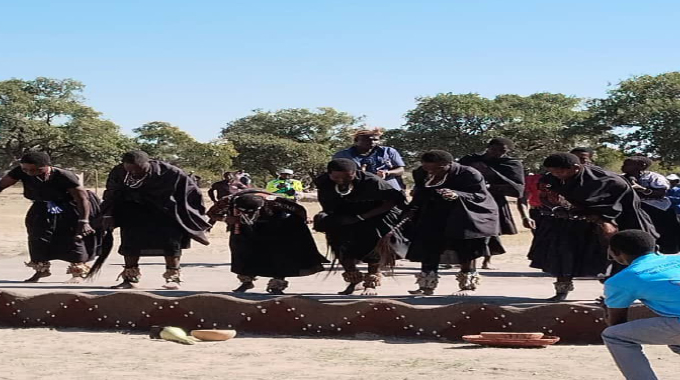
Sione Amidu, [email protected]
THE heartbeat of Matabeleland South’s culture is slowly building up as Mangwe prepares to host this year’s Culture Month celebrations in the Brunapeg area under Chief Sangulube. There is a gentle but growing excitement in the community, as people look forward to coming together to celebrate their traditions, their identity, and the things that define them.
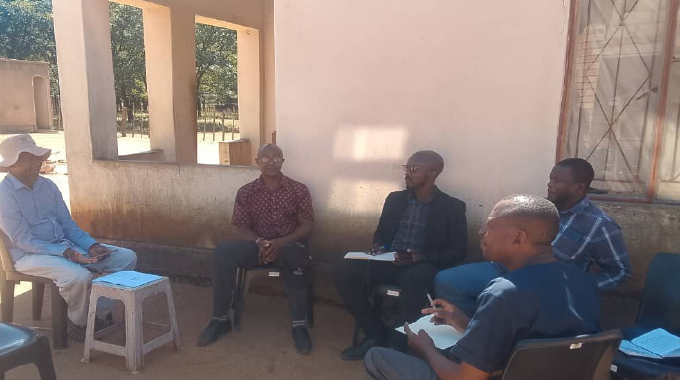
Right now, the hosting area is busy with activity. Community members are cleaning the grounds, fixing up spaces, and making sure everything will be ready in time. It is a shared effort, with people working side by side, each doing what they can. Before long, rehearsals will begin, and the quiet space will be filled with music, dance, and voices.
The celebrations will be held under the theme “Diversity and Creativity: Advancing Vision 2030 through Cultural Expressions.” While the words may sound formal, the meaning is simple — culture can help people improve their lives and build a better future.
The theme is about showing how traditions can be useful in everyday life. Culture is not just something from the past. It can help people earn an income, bring communities together, and support development in a way that benefits everyone.
Across Zimbabwe, Culture Month is usually celebrated in May. However, in Matabeleland South, the event has been moved to June. This was done so that it does not interfere with farming activities, which are very important for people in Mangwe.
The Provincial Arts Manager Percy Vela confirmed the latest development.
“We chose June 6 so that farmers in Mangwe can participate without clashing with planting and harvesting activities. Culture must not disrupt livelihoods. It must support them. We do this yearly on a round robin basis. Last year we were in Bulilima district, and this year we are in Mangwe District. We will be learning different cultures, food and their dances”.
Brunapeg, which is about 40 kilometres east of Plumtree, falls under Chief Sangulube. The area was chosen because it has strong Kalanga traditions and a community that has shown commitment over the years to keeping its culture alive.
“Chief Sangulube’s community is predominantly Kalanga, and they have consistently shown commitment to preserving their language, music, and crafts. This is the right place to showcase how Kalanga culture, alongside other traditions in the province, can drive Vision 2030 at grassroots level,” Vela said.
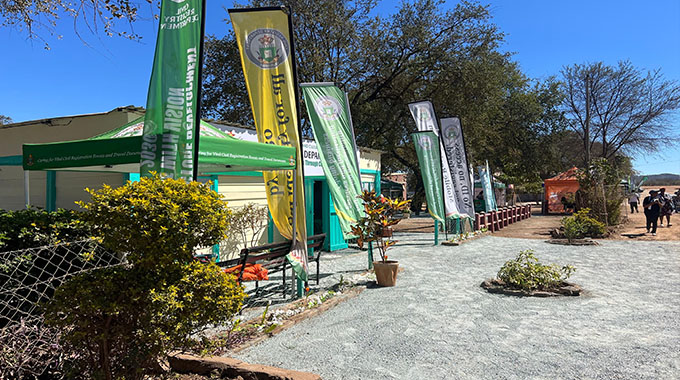
Work at the venue started towards the end of the month, and now the area is full of movement. People are busy preparing, arranging things, and making sure everything is in order. You can see that this event matters to the community.
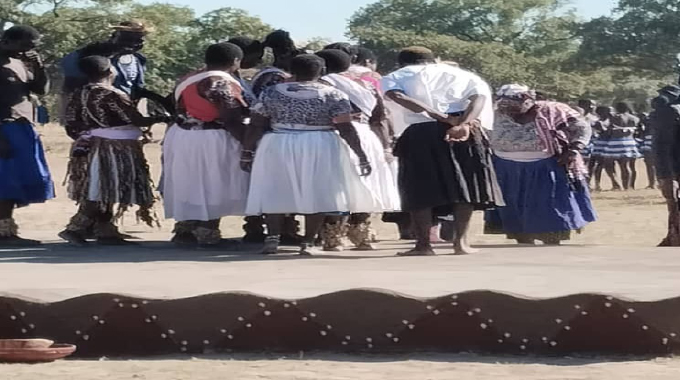
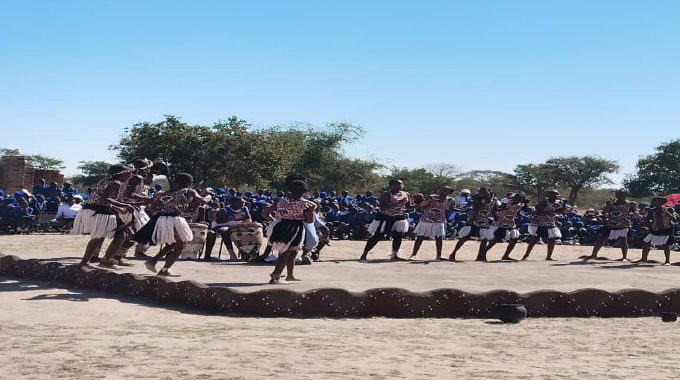
Vela said different groups have already started preparing. Women’s groups are working on items they will display, while young people are practising traditional dances. These include Kalanga dances such as Hwesa and Tjakati, and Ndebele dances like Isitshikitsha and Amabhiza.
He also spoke about how the theme connects to the idea of improving people’s lives through culture.
“Culture is not just about dance and music. It is about identity, innovation, and enterprise. When our artists create, they create jobs. When our communities preserve heritage, they attract tourism. That is how we advance Vision 2030,” he emphasised.
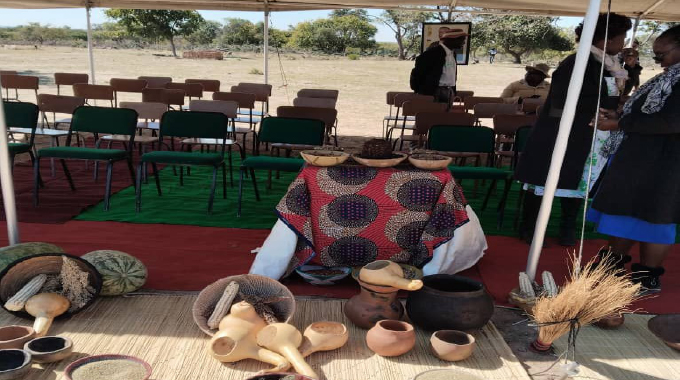
The day will include more than just performances. There will also be exhibitions of traditional crafts, displays of local foods, poetry, and performances from both well-known and upcoming artists from across the province.
“We will have representatives from all seven districts of the province. This event will also be used to educate young people about the importance of respecting traditional values and speaking their home languages.
“When young people know who they are, they stand firm. Culture gives them that foundation. It is our hope that the event will serve as a reminder that Zimbabwe’s strength lies in its cultural diversity.
“From the Ndebele to the Kalanga, the Venda to the Tonga, every group has something to offer. So, when we celebrate our differences with respect, we build one nation. That is the spirit of Vision 2030,” said Vela.
He also encouraged people who will attend the event to wear traditional clothing that represents their culture, adding colour and meaning to the day.
On the ground, preparations are already showing how involved people are.
“We are making new regalia for the dancers using cowhide and beads. The men are repairing the drums and the mbira. Everyone is involved, even the children are learning the songs in Kalanga,” said Nomusa Dube, a youth from Brunapeg area
Local schools have also joined in. Pupils are practising songs, dances, and poems that they will perform. It gives young people a chance to learn about their culture while being part of the celebrations.
Community members have also put up temporary stalls where they will sell crafts, food, and traditional clothing. For many, this is also a chance to make some money, as visitors are expected to come in large numbers.
Vendors are hopeful that they will benefit, as people often buy souvenirs and support local businesses at such gatherings.
Mangwe is known for having one of the largest Kalanga-speaking communities in the country, and its culture remains strong.
“Kalanga culture is known for its storytelling, pottery, and distinctive music. Our Hwesa dance tells stories of our history and our connection to the land. For too long, it has been overshadowed. Now we have a platform to show it,” said community elder Bruce Tshuma.
As the day gets closer, preparations continue not just at the venue but also at home. Local women have been preparing traditional Kalanga dishes such as Ntsimo made from sorghum and uMgxabo from wild vegetables, which will be served to guests on the day. In the end, it is not just about what people will see, but also what they will taste, hear, and feel as the community shares its culture with others.