Online Reporter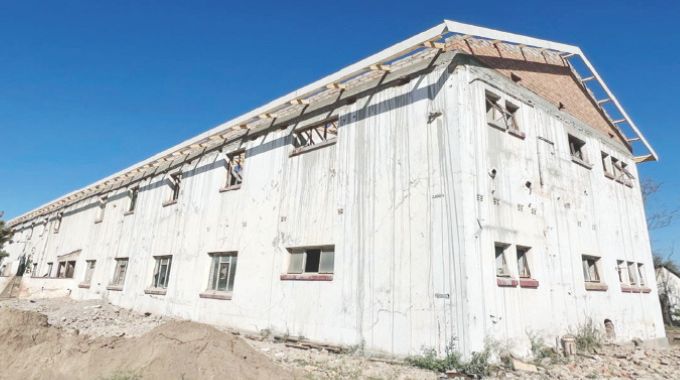
Sukulwenkosi Dube-Matutu, [email protected]
MATABELELAND South requires US$145 841 to complete the conversion of the former Phakama TB Clinic in Gwanda into a provincial drug and substance abuse rehabilitation centre, as authorities intensify efforts to address a growing problem that has left the province without a dedicated treatment facility.
The lack of an operational rehabilitation centre means patients requiring specialised treatment are currently referred to Ingutsheni Central Hospital in Bulawayo, creating additional challenges for families and communities seeking assistance for people battling substance abuse.
The former Phakama facility is being renovated to become the province’s first dedicated rehabilitation centre, with Government and stakeholders being called upon to mobilise resources to complete the project.
Works already completed include demolition of the old roof, brickwork, electrical and plumbing installations, construction of a ring beam and gables, and installation of trusses.
Outstanding works include roofing, plumbing, plastering, tiling, painting, tubing and wiring.
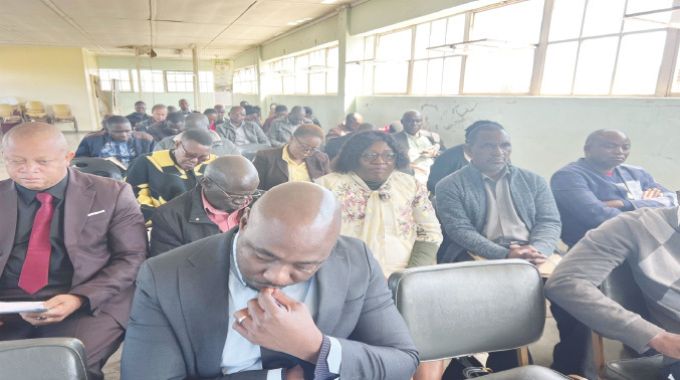
Speaking during a drug and substance abuse stakeholder meeting in Gwanda on Monday, Minister of State for Matabeleland South Provincial Affairs and Devolution Albert Nguluvhe said the rehabilitation centre was urgently needed to strengthen the province’s response to substance abuse.
He called on businesses, mining companies, development partners and other stakeholders to contribute towards the completion of the facility.
“Matabeleland South is one of the few remaining provinces without an operational drug and substance rehabilitation centre. The old Phakama TB clinic, which was identified as the provincial rehabilitation centre, is currently under renovation, with an estimated cost of US$145 841,55,” he said.
Minister Nguluvhe said the fight against drug and substance abuse required a collaborative, bottom-up approach involving all sectors of society, from national institutions to grassroots communities.
“In this regard, there is an urgent need to adopt a provincial resource mobilisation model that fosters ownership, visibility and local participation,” he said.
The meeting was also held in preparation for an anticipated visit by the National Committee on Drug and Substance Abuse, with the date yet to be announced.
Minister Nguluvhe said stakeholders should also support the implementation of provincial programmes covering prevention, treatment, rehabilitation, supply reduction and community reintegration.
He said Matabeleland South needed to take ownership of the fight against drug and substance abuse in line with the national response framework.
The scale of the challenge is reflected in the latest provincial statistics.
Presenting a report at the meeting, Matabeleland South provincial social welfare officer Mr Criswell Nyakudya said 944 people had been arrested in drug and substance abuse-related cases between January and August, comprising 514 males and 430 females.
Of these, 269 alleged suppliers were arrested, including 113 males and 156 females.
Authorities also recovered 1 400kg of dagga, 12 grammes of crystal methamphetamine and 505 litres of unregistered cough syrup during the period.
Mr Nyakudya said a lack of public cooperation in providing information remained one of the major impediments to dismantling drug trafficking networks.
He said Government was also implementing interventions aimed at addressing the underlying socio-economic factors that increase vulnerability to substance abuse.
Under the demand reduction pillar, 10 366 people, including persons with disabilities, had been reached through entrepreneurial skills programmes. A further 412 people were enrolled at vocational training centres, while 4 558 were referred for specialised services.
Another 440 people were economically empowered through loans, grants and start-up kits provided by institutions such as EmpowerBank, Women’s Bank and other development partners.
Mr Nyakudya said the province was also prioritising rehabilitation and reintegration to ensure recovering substance users received support after leaving treatment facilities.
“The Department of Social Development received 188 drug and substance users that were discharged from Gwanda Provincial Hospital. These referrals were sent to their respective districts for community and family reintegration services,” he said.
Mr Nyakudya said interventions included promoting emotional recovery, restoring dignity, strengthening family and community support systems, and facilitating successful reintegration.
Matabeleland South’s predominantly rural character, extensive artisanal mining sector and large informal economy have been identified among the factors that can increase exposure to drugs and other harmful substances.
The province’s strategic location, bordering South Africa and Botswana and hosting several ports of entry, also presents law enforcement challenges, particularly at porous border points that may facilitate the movement of illicit substances.
The rehabilitation centre project falls under the Zimbabwe Multi-Sectoral National Action Plan on Drug and Substance Abuse (2024-2030), which seeks a coordinated response encompassing prevention, supply and demand reduction, treatment, rehabilitation, community reintegration, law enforcement and public awareness.
Government has also called on provinces to mobilise local resources to strengthen the fight against substance abuse.
This follows President Mnangagwa’s launch of the National Drug and Substance Response Resource Mobilisation Programme in July 2025, which called for greater participation by the private sector, communities and development partners.
Matabeleland South has set a fundraising target of US$250 000 for its drug and substance abuse response programmes.
So far, the province has secured pledges totalling approximately US$120 000, although only US$5 000 has been deposited into the provincial drug and substance abuse account.