Online Reporter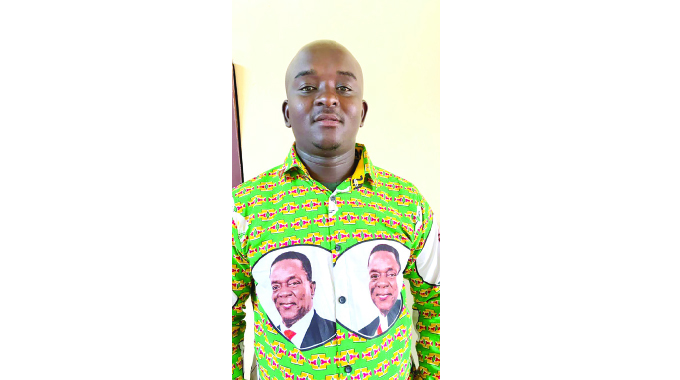
Sukulwenkosi Dube-Matutu
Bulawayo Bureau
YOUTHS from Matabeleland South support the proposed Constitutional Amendment No. 3 Bill, describing it as a progressive and strategic move aimed at strengthening governance and promoting wider participation in national development.
The proposed amendment was gazetted in February 2026, seeks to introduce several changes designed to improve governance systems, enhance institutional efficiency and ensure policy continuity, including extending the electoral cycle for all elected posts from five years to seven years, and having the President elected by Parliament, rather than directly.
The Bill, which is currently at the consultation stage, is expected to be tabled before Parliament upon completion of public hearings.
It will require a two-thirds majority in both the National Assembly and Senate to pass into law, and will undergo scrutiny in line with established legislative procedures.
Among the key proposals are the removal of direct presidential elections in favour of election by Parliament and changes to voter registration processes. The Bill is scheduled to be presented before Parliament on May 18, following the conclusion of nationwide public consultations.
Although oral hearings have ended, Parliament continues to receive written submissions as part of the ongoing consultation process.
Youth representatives said proposed changes, including the adoption of a parliamentary process for electing the President and extending the current five-year term to seven years, would support the effective implementation of long-term development programmes.
Zanu PF Matabeleland South provincial youth chairperson, Cde Moses Langa, said young people view the Bill as a lawful and necessary step towards accelerating national development.
“This Bill is a progressive and strategic step toward strengthening Zimbabwe’s governance and ensuring broader inclusion in national development. We support the extension of Presidential and Parliamentary terms, as it allows for policy continuity and stability in governance.
“From a youth perspective, long-term development programmes-especially those targeting employment creation, education and innovation require consistency.
“Extending the term ensures that initiatives are not disrupted prematurely and that elected leaders are given adequate time to fully implement their mandates,” he said.
Cde Linda Moyo, councillor for Gwanda Rural Ward 3 under the women’s quota, said increased participation of traditional leaders in national processes would enhance development at the community level.
She said empowering traditional leaders would strengthen grassroots governance and ensure local interests are better represented.
Cde Moyo also backed the proposal to transfer voter registration responsibilities to the Registrar-General, saying it could address challenges associated with inaccuracies in the voters’ roll during election periods.
Another youth, Mr Aldonia Gondo, said the amendment would contribute to building a more responsive governance system capable of unlocking economic opportunities and improving institutional performance.
Implementation of CAB 3 would also help reduce public expenditure.
Mr Gondo said young people recognise the importance of engaging in policy discussions and supporting initiatives that promote national development.
The Bill supported decentralisation and improved governance, essential for bringing decision-making closer to communities and enabling youth participation at the grassroots level.
“As youths, we support CAB3 because it promotes stability, inclusivity and effectiveness in governance. The proposed amendments will create an environment conducive to sustained economic growth.
“We lose a lot of money in holding elections, and there is usually a lot of conflict with each party having a desire to see their candidate win. Having the Parliament choose the President will mean that we will save money and time, and peace will be sustained.”
Mr Gondo further said extending President Mnangagwa’s term by two years would help fast-track the attainment of Vision 2030.
The new Bill introduces a range of legal reforms aimed at strengthening constitutional governance, clarifying institutional roles, promoting political stability and improving the efficiency of State systems.
According to the Government Gazette, the Bill forms part of Zimbabwe’s ongoing legal development framework.
The Gazette notes that the proposed amendments are intended to uphold the spirit of the Constitution by refining and modernising its provisions in response to governance experience, developmental needs and international best practices.
The Bill also seeks to streamline various elements of the constitutional framework while maintaining the core values of the 2013 Constitution.