Chronicle Editor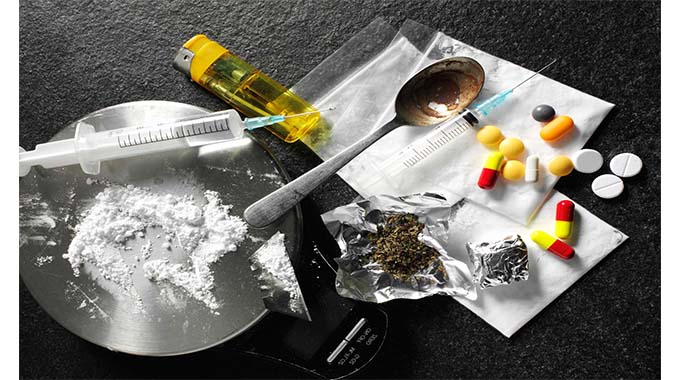
Sikhumbuzo Moyo, [email protected]
MATABELELAND North province has the highest number of households in the country with family members who are into drug and substance abuse, a report has revealed.
Government has since declared the drug and substance abuse menace a “national disaster” lamenting its baleful impacts, especially among the youths, prompting the adoption of swift mitigation measures including establishing reaction teams from the national to village level.
The prevalence of drug and substance abuse in communities has reached alarming levels, jeopardising not only the present but also the future.
President Mnangagwa also established a national taskforce to work on the modalities to combat drug and substance abuse.
According to the latest Zimbabwe Vulnerability Assessment Committee (ZimVac) report, 6,1 percent of households in the province have family members who abuse drugs and substances.
According to the 2022 national census results, Matabeleland North’s seven districts have a total of 199 426 households which translates to 11 966 households with family members hooked to drugs.
Midlands province has the lowest number of drugs and substance abusers, standing at 0,7 percent while Bulawayo and Matabeleland South are at 2,7 percent and 2,4 percent respectively.
With 5,2 percent, Harare has the second highest number of households whose family members are addicted to drugs and substance abuse.
“At least 3,5 percent of the households (national) had a member who was abusing drugs and illegal substances,” reads the report.
The report indicates that while Matabeleland North province has the highest number of households who are into drugs and substance abuse, just 21 percent of the same households received social support while Mashonaland Central, whose figures stand at 4,8 percent, saw 35 percent of the households getting social support.
“Nationally, 26 percent of the sampled households received some form of support from one or more sources. Mashonaland Central had the highest proportion of households which received support while Matabeleland South had the least proportion, 15 percent,” reads the report.
In line with the National Development Strategy (NDS1), the Government facilitated the implementation of social safety nets to ensure that the vulnerable population is well protected.



 Online Reporter