Online Reporter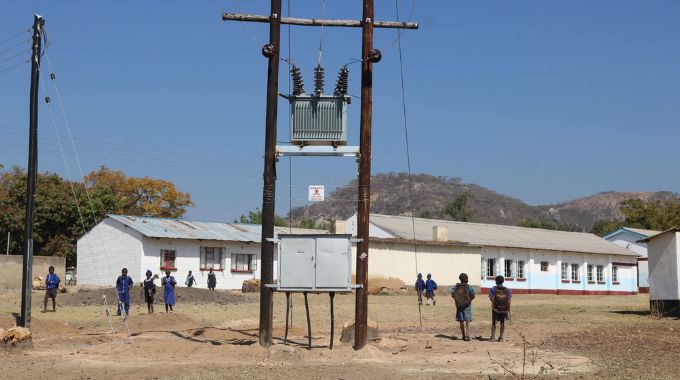
Oliver Kazunga, [email protected]
MATABELELAND North has emerged among the provinces leading Zimbabwe’s rural electrification drive, with all 167 rural clinics in the province now connected to electricity, bringing improved healthcare services to communities across the region.
The milestone places Matabeleland North alongside Mashonaland Central as the only two provinces to have achieved 100 percent electrification of rural health centres, as Government moves towards universal access to modern energy services by 2030.
Nationally, 1 864 rural clinics have now been electrified, representing more than 96 percent of the facilities that were without electricity when the Rural Electrification Agency (REA) began its programme in 2002.
The completion of the Matabeleland North programme means rural health centres in the province can now provide services that were previously constrained by the absence of reliable electricity, including night-time healthcare, vaccine refrigeration and the use of electrical medical equipment.
REA public relations and marketing executive Mr Johannes Nyamayedenga said the achievement in Matabeleland North and Mashonaland Central was a significant step towards the Government’s universal electrification target.
“The achievement in rural health centres in the two provinces and the pace being taken by other provinces in electrifying the remaining clinics is a remarkable achievement towards our journey of providing universal access to modern energy services in all the rural areas of Zimbabwe by 2030,” he said.
Of the 1 936 rural clinics that existed when REA was established in 2002, only 72 remain without electricity.
Mr Nyamayedenga said electrification had a direct bearing on the quality of healthcare delivered in rural communities.
“Electrifying a rural health centre is not just about lights, but it is saving lives, especially expecting mothers and greatly reducing the child mortality rate prevalent in our rural communities,” he said.
The agency is using both conventional grid connections and solar energy to reach health facilities in remote areas where extending the national grid is difficult.
Electrified clinics can operate around the clock, store vaccines safely and use equipment such as X-ray machines, improving the range and reliability of services available to rural communities.
The remaining 72 clinics are spread across seven provinces, with Masvingo and Mashonaland West accounting for 18 each.
Manicaland has 14 clinics remaining, followed by Midlands with 10, Mashonaland East with eight and Matabeleland South with four.
The latest figures mean Matabeleland North has effectively completed one of the critical infrastructure components of its rural development programme, while the focus now shifts towards ensuring that the electricity infrastructure is fully utilised and maintained.
Presenting the 2026 Mid-Term Budget Review Statement last month, Finance, Economic Development and Investment Promotion Minister Professor Mthuli Ncube said US$12,4 million had been utilised from the Rural Electrification Fund between January and June this year to finance 212 grid-energised projects across eight provinces.
The projects included 81 primary schools, 54 secondary schools and 20 rural health centres.
Economic commentator Mr Jabulani Chibaya said electricity could transform rural health centres into broader development hubs.
“Electricity is an enabler of rural development. It can lower operational costs, support local productivity and strengthen access to telecommunications, financial services and other essential services,” he said.
He said reliable electricity could also strengthen vaccine cold chains and facilitate telemedicine, particularly in communities facing geographical barriers to specialist healthcare.
Political and social commentator Mr Dereck Goto said Matabeleland North’s achievement should now be measured by how effectively the infrastructure was being used.
“Electricity at a clinic does more than improve healthcare. It creates a reliable public-service node around which communications, water systems, businesses and other services can develop,” he said.
“The next test is utilisation. A powered clinic without adequate equipment, medicines, connectivity and personnel represents incomplete development. The policy focus must therefore shift from infrastructure coverage to infrastructure productivity.”
Mr Goto said reliable electricity could also help narrow the rural-urban development gap by supporting irrigation, agricultural processing, machinery and local enterprises.
Social commentator Mr Kudzai Mutisi said improved infrastructure was making rural communities increasingly attractive for investment while enhancing the quality of public services.
“The rural-urban divide has always been about access to modern facilities. Apart from the electrification of rural clinics, rural communities are also benefiting from infrastructure such as solar-powered boreholes and improved connectivity,” he said.
He said electricity could allow rural health centres to provide more advanced services, including telemedicine, while opening opportunities for greater digital connectivity.
The national completion of the remaining 72 clinics would mark another major milestone, but the focus will increasingly shift from simply connecting facilities to ensuring they have adequate equipment, medicines, skilled personnel, connectivity and maintenance systems to translate electricity access into better healthcare and broader rural development.