Elita Chikwati
Agriculture News Editor
Farmers in Matabeleland have branded more than 162 000 cattle since the commencement of the national exercise in May.
This comes as Government through the Directorate of Veterinary Services is targeting to brand 400 000 cattle annually in Matabeleland.
A national target of branding 2,5 million has been set for the period between May and August.
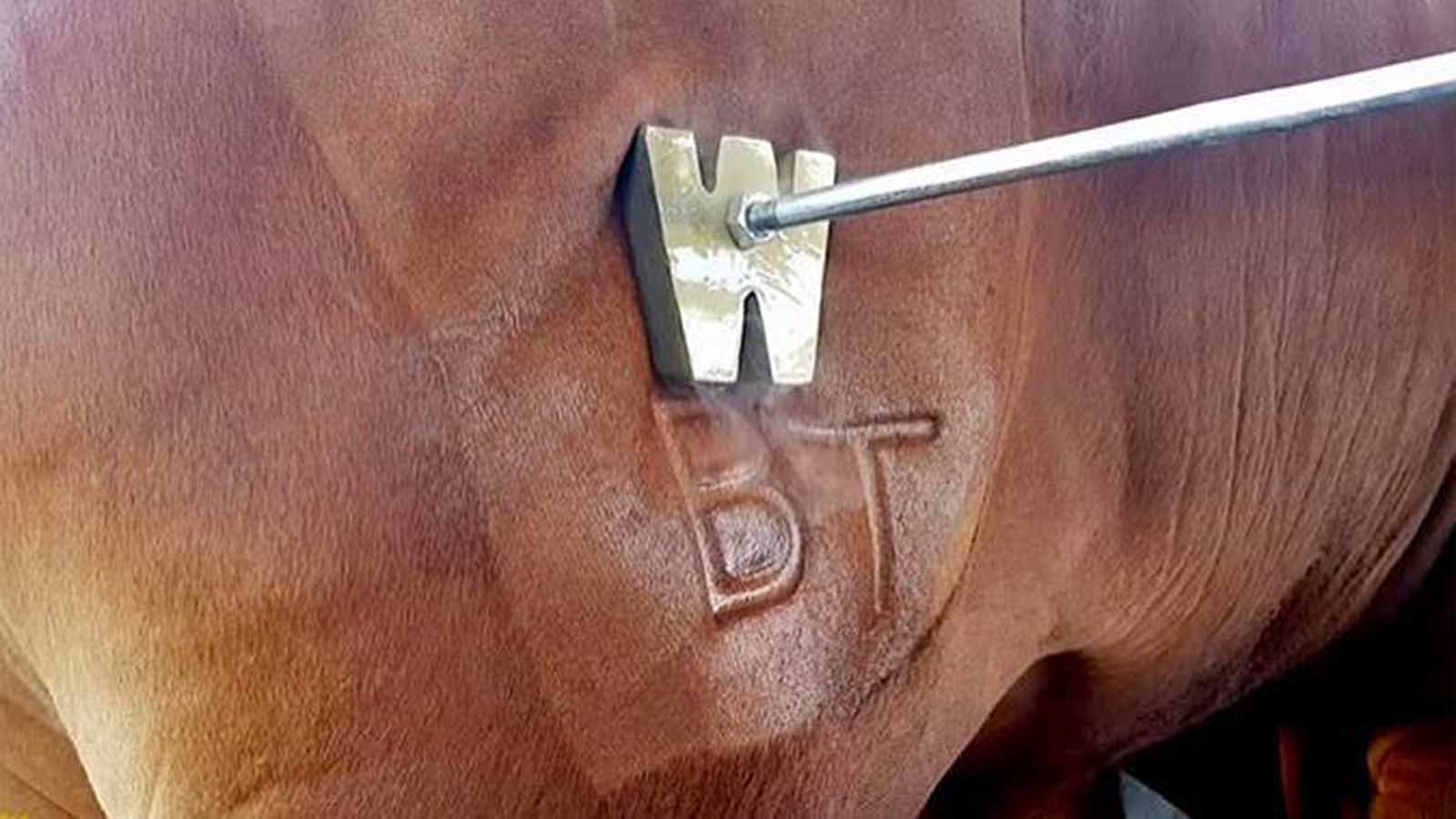
Chief Director of Veterinary Services Dr Pious Makaya said cattle branding was a legal requirement under the Animal health Cattle Branding Regulations, which require every bovine animal aged six months and above to be permanently identified with a registered brand.
The exercise is conducted annually by the Directorate of Veterinary Services, with branding taking place alongside routine cattle dipping sessions at dip tanks across the country.
“Since the commencement of the national branding exercise in May, Matabeleland North and Matabeleland South have collectively branded 162 334 cattle against an annual target of 400 000, representing encouraging progress towards the national objective of branding 2.5 million cattle between May and August.
“Cattle branding remains one of Zimbabwe’s most effective livestock identification systems. A permanent brand enables livestock to be easily identified throughout their lifetime, making it significantly easier to establish ownership and recover stolen animals,” he said.
Dr Makaya said the system also played a crucial role in reducing stock theft, which remained one of the major challenges affecting communal and commercial livestock production.
“Branded cattle improve the effectiveness of animal disease surveillance and control programmes.
“During disease outbreaks such as Foot and Mouth Disease(FMD) anthrax and tick-borne diseases, veterinary personnel can quickly identify affected herds, trace animal movements and implement appropriate quarantine and control measures.
“Permanent identification also enhances livestock traceability, an increasingly important requirement for both domestic and international livestock trade,” he said.
The branding programme also supports accurate livestock record-keeping, national livestock census activities, breeding programmes, insurance claims and disaster response interventions.
For individual farmers, Dr Makaya said, branded cattle provided indisputable proof of ownership during sales, movement permit applications and the resolution of ownership disputes.
Speaking on the progress of the campaign, Matabeleland Provincial Veterinary Director, Dr Sitokozile Sibanda, commended livestock farmers for their cooperation and encouraged those who are yet to present their animals for branding to come forward.
“The branding programme is progressing well across the province, and we are encouraged by the positive response from farmers.
“We urge all livestock owners to continue bringing their cattle to routine dipping sessions where branding services are readily available. Cattle branding is not only a legal requirement but also an important livestock management tool that protects farmers’ investments,” she said.
To improve efficiency and maximise farmer participation, the Directorate of Veterinary Services has integrated cattle branding with routine dipping sessions, allowing farmers to access both services simultaneously.
“Livestock owners are encouraged to utilise weekly and fortnightly dipping sessions to ensure that all eligible cattle are branded,” she said.
The Directorate of Veterinary Services is working closely with traditional leaders and local communities to achieve the national target of 2.5 million cattle branded by the end of August.
“The continued progress being recorded in Matabeleland North and Matabeleland South reflects the strong partnership between veterinary extension personnel and livestock farmers in safeguarding Zimbabwe’s national herd.
“Through collective participation, cattle branding will continue to strengthen livestock security, combat stock theft, improve disease surveillance and traceability, facilitate livestock trade and contribute to a more productive, resilient and commercially competitive livestock sector,” said Dr Makaya.