Online Reporter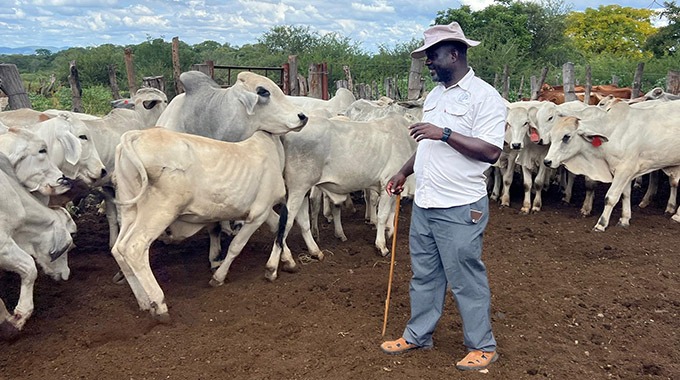
Sukulwenkosi Dube-Matutu, [email protected]
LIVESTOCK farmers from Matabeleland South have scaled up fodder production to ensure improved breeding and growth of the national herd throughout the year.
The province is working on recovering lost ground after losing about 19 000 cattle during the El Nino-induced drought, which hit the country last year and served as a learning phase for farmers.
This has inspired many to engage in silage and fodder production for the first time while others have intensified the activities.
Commercial farmers had to part with large sums of money in order to buy feed to sustain their animals during the drought.
Mr France Ndlovu, a stud breeder from Umzingwane District said relying on supplementary feed to sustain large herds is costly when compared to fodder production and silage making.
With a herd of over 600 beasts, he has put about 10 hectares under fodder production and his crop includes sorghum, millet and sugar graze.
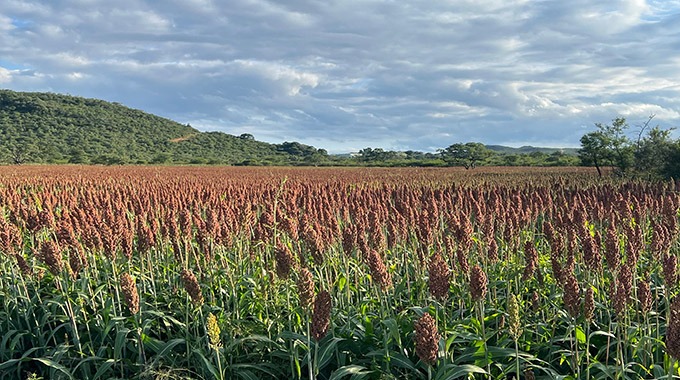
Mr Ndlovu has also prepared a grinding point to process crops for silage making to sustain feeding throughout the year.
“We are digging silage pits and we also have a grinding machine, where we process our fodder crops for silage making. By September to October, we hope to have our silage ready,” he said.
“This is a learning phase but next year, we hope to produce even more fodder,” said Mr Ndlovu.
He said making silage is cheaper and it is again more nutritious when compared to buying feed.
“A bag of feed costs more than US$20 and I was spending more than US$4 000 a week to buy supplementary feed for my cattle,” said Mr Ndlovu.
The national herd stands at 5,5 million and various measures have been put in place to improve the quality of livestock including artificial insemination.
In Insiza District, some farmers have more than 400 Brahman breeds each and have increased hectares under fodder cropping in addition to grass bailing.
“In 2023, we had rains and there was enough grazing for our cattle. The situation, however, changed in 2024 as we received low rainfall,” said another farmer identified as Mr Mahlangu.
“A lot of people lost their cattle as there was shortage of both grazing and water. As farmers, who are into stud breeding, we had to go out of our way to ensure that we maintain our herds.”
He said stud breeders must lead in adopting initiatives that will grow the provincial herd. He said they also have a role in improving breeds.
Mr Mahlangu started commercial breeding in 2008 with cross Brahman and beef masters. He later upgraded to pure pedigrees and attained the status of registered breeder in 2016.
Matabeleland South provincial livestock specialist, Mr Hatityi Muchemwa, said the province lost 19 000 cattle due to drought last year, with Beitbridge and Umzingwane districts having the least deaths as farmers in these areas embraced drought mitigation measures.
“Our livestock is recovering from the drought. The condition of animals have improved, thanks to the rains we received this season,” said Mr Muchemwa.