Online Reporter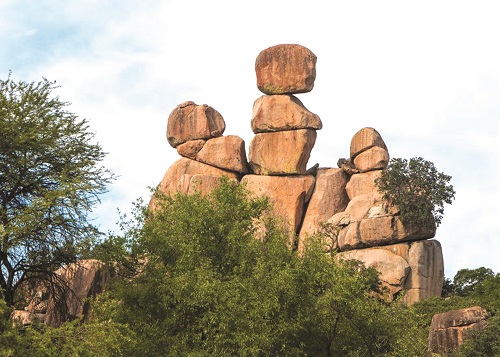
Gibson Mhaka
Zimpapers Politics Hub
CABINET recently announced that national celebrations for next year’s Independence Day will be held in Matobo district.
Although the Government’s decision to host the 46th Independence Day celebrations and the 2026 Children’s Party at Maphisa Open Space in Matobo, Matabeleland South province, is deeply symbolic, this choice also profoundly acknowledges the district’s historical importance to Zimbabwe’s liberation struggle.
Indeed, Matobo is far from being just an administrative district, particularly as the nation reflects on the Heroes Day and Defence Forces Day celebrations set for next month.
By choosing Maphisa as the host for the 46th Independence Day celebrations, the Government is not only acknowledging the district’s indelible mark on Zimbabwe’s liberation narrative but also bringing the spirit of independence back to a place that intrinsically embodies the resilience and struggle for freedom, as exemplified by both its fallen and living heroes.
Matobo is truly a living testament to resilience and greatness, deeply embedded in the nation’s struggle for self-determination.
This connection is particularly significant as the district is home to numerous fallen heroes and heroines, who played pivotal roles in the country’s liberation struggle.
Notable heroes from Matobo
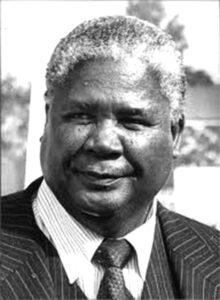
Among its cherished sons and daughters, one name stands out — the late Father Zimbabwe, Vice President Dr Joshua Mqabuko Nyongolo Nkomo.
With his ancestral home located in Kezi, Matobo district, his profound connection to this area further solidifies its historical importance in the narrative of Zimbabwe’s liberation.
Adding to Matobo’s esteemed roll call of liberation figures is Cde Johanna Nkomo (Mama Mafuyana), the wife of the late Dr Nkomo.
Born in Matobo (Fort Usher), she was declared a national heroine after her death on June 3, 2003.
She played a significant role in supporting the liberation struggle and dedicated her efforts to national unity and the welfare of children after independence.
Kezi also gave rise to Cde Stephen Jeqe Nkomo, a great nationalist in his own right, who for years served as Matabeleland South governor. His contribution to the nation’s history remains indelible.
The late Cde Jason “JZ” Ziyaphapha Moyo, who was ZAPU vice president, also hailed from Kezi. He paid the ultimate price in the struggle for independence.
Born in 1927, he tragically died on January 22, 1977 in a parcel bomb explosion in Zambia.
He was reburied in Zimbabwe on August 11, 1981 at the National Heroes Acre in Harare.
Another liberation icon is the late Brigadier-General (Retd) Milton Bekithemba Siziba, also known by his liberation war name Cde Jefray Machinga.
Born on November 14, 1951, he passed away on August 1, 2023 and was declared a national hero. Brig-Gen (Retd) Siziba was a prominent commander during the liberation war and subsequently served with distinction in both the Zimbabwe Defence Forces and the Zimbabwe Prisons and Correctional Service.
Another proud son of Matobo and a pioneer of the liberation struggle is Cde David Mongwa Moyo, affectionately known as Sharpshoot during the armed struggle.
His early involvement was instrumental in laying the foundation for the freedom that Zimbabwe enjoys today.
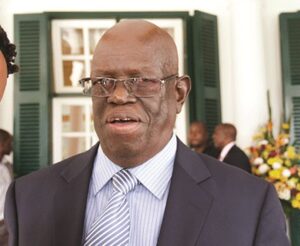
The late Colonel Tshinga Dube, a former Cabinet Minister, ZANU PF Politburo member and stalwart of the liberation struggle, is yet another prominent son of this district.
Col Dube, who was interred at the National Heroes Acre, was a decorated war veteran, who also contributed immensely to national development in various roles, including as a Member of Parliament and Cabinet minister, after independence.
Further underscoring Matobo’s deep roots in the struggle, the late Highlanders patron, Cde Tafi Moyo, described as an ancestor of the liberation struggle, also called this district his home.
His passing away in 2014 at the remarkable age of 108 marked the end of an era, but his legacy of unwavering support for the cause continues to endure.
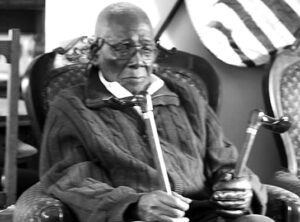
His political activism led to 10 years’ imprisonment in the 1950s, notably after purchasing a ticket for Cde Joshua Nkomo to travel to London for political activities.
Beyond politics, Cde Moyo was a pioneering black businessman, recognised for his contributions to the community.
His centenary celebrations in 2006 were attended by then-President Robert Mugabe, who lauded him as a “pillar of the liberation struggle” and a supporter of the nationalist cause in Matabeleland.
Spiritual treasures
Legend has it that the Ndebele people arrived in Matobo around 1838.
Before long, King Mzilikazi established close links with the hills.
One of his kraals, Isigodini, was located on the eastern side of Matobo Hills.
Isigodini, meaning “home in the hollow”, perfectly captured the location of the palace within the Matobo valleys.
It was at this very palace that King Mzilikazi died.
To the indigenous people, therefore, a section of the district — the Matobo — holds profound spiritual significance, as it is here that the remains of King Mzilikazi, the revered father of the Ndebele nation, were interred.
King Mzilikazi’s grave itself stands as a significant historical and cultural landmark.
Overall, the site serves as a powerful symbol of the Ndebele heritage and plays a crucial role in the collective memory and identity of the nation.
From the exploits of this warrior king, the Ndebele state was born, becoming an important part of the country’s nationhood and history.
The area also plays host to the important rainmaking Njelele Shrine, a site of deep cultural reverence.
Beyond its spiritual importance, the Matobo Hills served as a crucial sanctuary and strategic stronghold during both the First Chimurenga (the 1896-1897 Ndebele and Shona uprisings against colonial rule) and the Second Chimurenga (the liberation war leading to independence in 1980).
It was in these very hills that Ndebele chiefs and warriors resisted British colonial expansion during the 1896 uprising, demonstrating an enduring spirit of defiance.
The area’s rugged terrain provided natural cover, making it a difficult target for colonial forces and a haven for those resisting oppression.
Furthermore, the sacred Njelele Shrine, located within the Matobo Hills, served as a spiritual and consultative centre for liberation fighters throughout the struggle, embodying the deep connection between traditional beliefs and the pursuit of freedom.
The tranquillity of Matopos also offers a unique opportunity for visitors to connect with the spiritual fabric of the land.
The profound historical and spiritual significance of Matobo to Zimbabwe’s liberation struggle cannot be overstated.
From serving as a critical sanctuary and strategic stronghold during the First and Second Chimurenga to being the ancestral home of revered figures like the late Vice President Dr Nkomo and other national heroines and heroes, the district stands as a testament to the sacrifices made for the nation’s freedom.
Its rugged hills and sacred sites are etched with the stories of defiance, resilience and the unwavering pursuit of self-determination, making it a cornerstone of Zimbabwe’s national identity and a perpetual source of inspiration.
This deep historical resonance makes the Government’s decision to host the 46th Independence Day main celebrations and the 2026 Children’s Party at Maphisa Open Space in Matobo district particularly poignant and fitting.
As Zimbabwe also prepares to celebrate its fallen and living heroes on Heroes Day and Defence Forces Day, this choice elevates Matobo’s status, ensuring that its pivotal role in the liberation narrative is not only acknowledged but actively celebrated on a national stage.


 Online Reporter