Online Reporter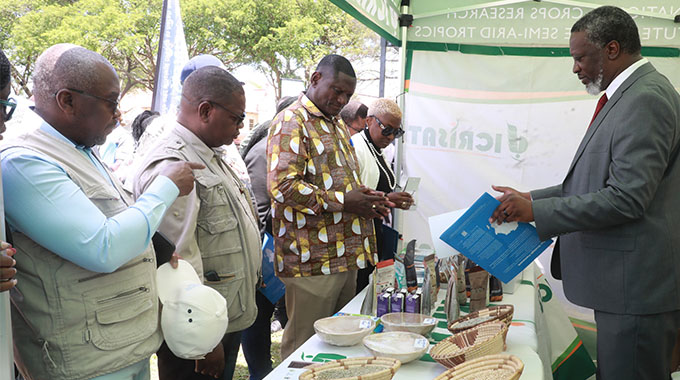
Prosper Ndlovu and Raymond Jaravaza, [email protected]
A NEW fish hatchery gene plant has been established at the Matopos Research Institute in Matobo District, Matabeleland South, to drive higher production through enhanced access to fingerlings with improved genetics to farmers across the southern region.
Established at a cost of about US$500 000, the Matobo fisheries unit is one of three breeding sites in the country expected to significantly boost Zimbabwe’s annual fingerlings production and accelerate the growth of the aquaculture sector.
The move opens a window for farmers in Matabeleland region and the Midlands to start tapping into the lucrative fish production industry, thereby boosting incomes and food and nutrition.
Zimbabwe targets to raise national fingerlings output from 100 000 to 3,2 million per year.
In line with the quest to deliver community resilience against socio-economic shocks through capacity building, the Matopo’s aquaculture initiative is expected to support nutrition gardens, irrigation schemes, youth and women-led enterprises and small to medium-scale commercial fish farmers in the area and beyond.
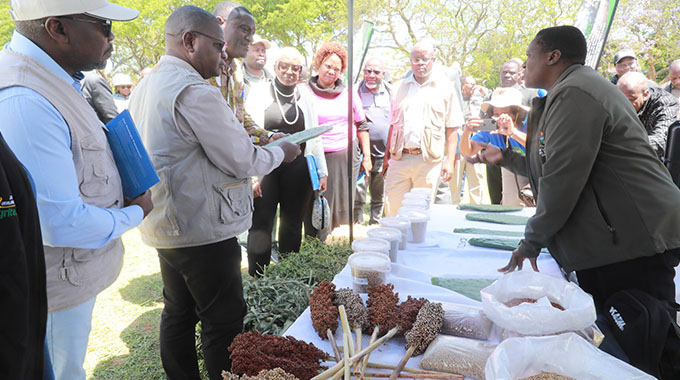
Its launch coincided with the World Food Day Commemorations led by the Minister of Lands, Agriculture, Fisheries, Water and Rural Development Minister, Dr Anxious Masuka. In his keynote address delivered on his behalf by Permanent Secretary Professor Obert Jiri, the Minister said the launch of the hatchery unit was a beacon of agricultural innovation.
He said the time has come for farmers to take agriculture as a business and rallied small holder producers embrace the game-changing initiatives being championed by the Government and its development partners to unlocking higher economic opportunities.
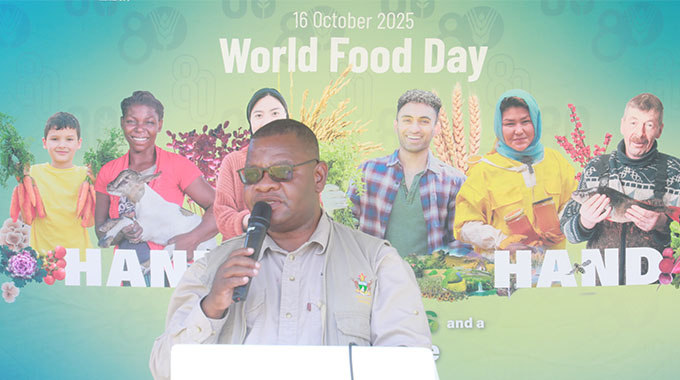
“We are transforming our rural areas into hubs of economic activity, creating jobs, and stopping rural-urban migration. The establishment of the Matobo fisheries unit is a remarkable achievement of our collective resilience,” said Dr Masuka.
In an interview, the head of Fisheries and Aquaculture Resources Production Department directorate, Mr Milton Makumbe, said the facility is already operating at 75 percent capacity and has the potential to produce three million fingerlings annually.
“The Matobo fisheries unit is one of the three decentralised Government fish breeding sites, with one in Masvingo and the other one in Mutasa (Manicaland Province).
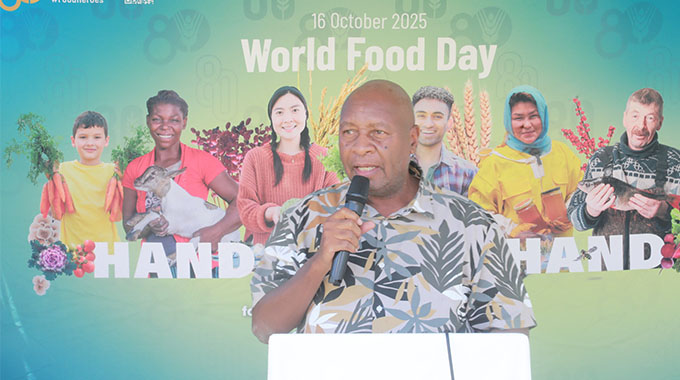
“We are going to stock 500 male fish and 1 500 females and our projection is to get three million fingerlings annually,” he said. “The idea of decentralising the fish breeding sites across the country is to make sure that our farmers are able to access fingerlings closer to the areas where they live and run their fish production projects,” said Mr Makumbe.
“In the past we had a situation where farmers from across the country, including Matobo District, were travelling to Kariba to buy fingerlings, and such scenarios meant farmers incurred huge transport costs.
“Travelling long distances from Kariba also meant that farmers recorded high mortality rates of the fingerlings. We did a trial run at two of our fish breeding sites in Mutasa and Masvingo and our findings showed that when fingerlings are delivered within short distances, the mortality rate is low and farmers spent less on transport costs, which translates to higher profit margins for the farmers.”
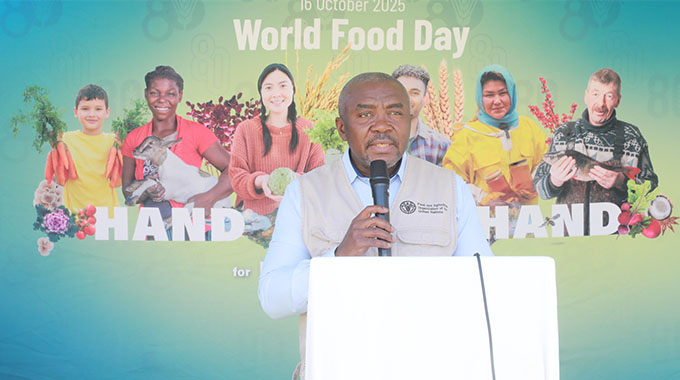
Government is working on establishing one-stop shop entities where farmers can access everything they need for fish production.
“We want to come up with one-stop shops where farmers can access fingerlings, feed and nets.
“One of the biggest costs associated with fish farming is feed so we are trying to reduce margins so that it translates to a reduction in price of fish per kilogram in the supermarkets,” he said.
Improving the local fish genetics remains a priority as authorities project to grow the industry from 30 000 tonnes to as much as 60 000 tonnes annually through improved access to quality seed and strengthened farmer support systems.
“Recently we hosted a team from India and it’s interesting to note that the Asian country is on an 11th and 12th generation of fish breeds.
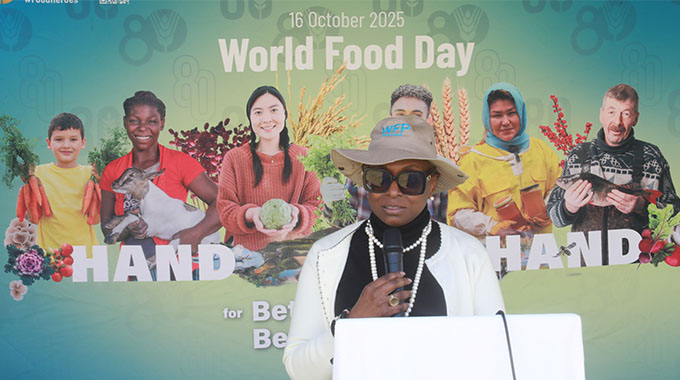
“Some of the fish breeds can weigh up to 600 grams between four to five months and those are some of the lessons that we can learn from the Indians as far as fish production is concerned,” said Mr Makumbe.
Meanwhile, Dr Masuka highlighted the country’s strides in transforming the agriculture sector, which is now valued at about US$10 billion, having surpassed the revised US$8,2 billion from the initial National Development Strategy (NDS1) target of US$5,2 billion.
This has been largely driven by massive grain production improvements with record wheat harvests and the rebirth of our horticulture sector, with blueberries and avocados earning crucial foreign currency. The livestock sector is also recovering, and so is irrigation capacity.
In his remarks, Food and Agriculture Organisation country representative Dr Patrice Talla recognised Zimbabwe’s commitment to ending hunger and applauded collective efforts of local farmers, policymakers, innovators and partners.
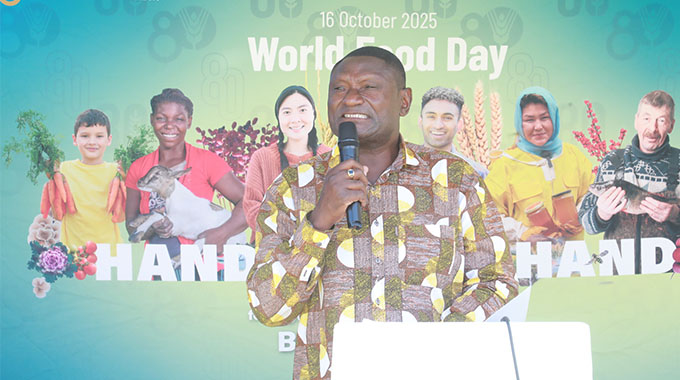
World Food Programme (WFP) country director, Ms Barbara Clemens, said resilience building and capacitation of farmers was a departure from the previous era of food handouts, emphasising that attaining food and nutrition security was a collective responsibility. She commended the close partnership between the Government and its partners for laying a solid foundation for improved yields and transformation of the sector.
Matobo legislator, Cde Edgar Moyo, who is also Minister of Public Service, Labour and Social Welfare, also commended the programme and rallied all stakeholders to work together in revitalising irrigation systems and harnessing technology to ensure sustainable food and nutrition security across all communities.
Mrs Francesco Rispoli, the country director for Zimbabwe, South Africa and Namibia, of the International Fund for Agricultural Development (Ifad), in a speech read on her behalf by Mrs Joylyn Ndoro, also commended Zimbabwe for its ongoing and proactive efforts to address food insecurity and promote sustainable agriculture.
“These efforts are essential to building a resilient agrifood system that can withstand climate shocks, economic pressures and social challenges,” said Mrs Rispoli.