Online Reporter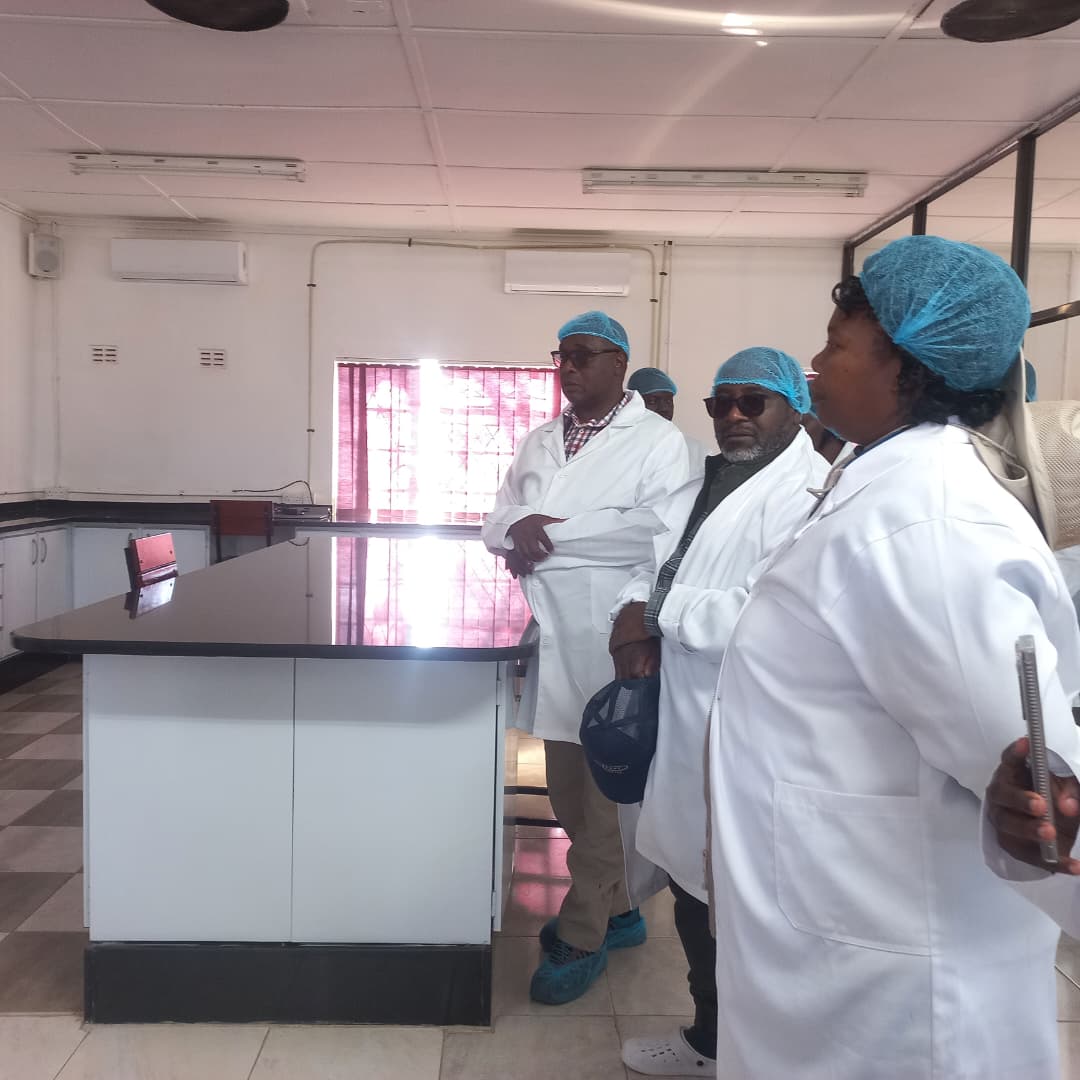
Judith Phiri, [email protected]
AGRICULTURE, Mechanisation and Water Resources Development Deputy Minister, Davis Marapira, has commended Matopos Research Institute for preserving indigenous cattle breeds such as the Nguni and Tuli, which are climate resilient.
These breeds, which are native to southern Africa excel in harsh and dry environments as they have high heat tolerance, excellent fertility and strong foraging abilities on sparse vegetation, making them ideal for sustainable livestock production in changing climates.
Last Wednesday, Deputy Minister Marapira toured the institute’s Lucydale Farm and Criterion Farm to assess key research and innovation initiatives, including livestock breeding programmes, conservation of animal genetic resources, semen processing and ongoing research work.
Of the 795 herd, 247 are Nkone (Nguni), 176 Africander, 159 Tuli, 126 Brahman and 87 dairy crosses.
“I have been to Matopos Research Institute and the visit is basically to look at our indigenous genetics. At Lucydale Farm, I have seen some Tuli and Africander, which are pedigree breeds.
“At Criterion Farm there are some beautiful Nguni cattle, which are the indigenous breeds for the people of Matabeleland. Unfortunately, we are only left with a few, a couple of hundreds of these Nguni breeds,” he said.
“My recommendation is to preserve these, take them to a special place in Matobo South where we are going to select them, breeding the best, the medium and the least going for commercial breeding.”
He said the same method will apply to the Tuli breed, where there are good heifers and the goal was to ensure the institute expands its numbers.
Deputy Minister Marapira said the range of the institute’s 28 000 hectares had a carrying capacity of almost 8 000 breeding stock and they wanted to ensure that they preserve the breeding stock.
“On another note, within our research station we can now do artificial insemination. They are drawing semen from the bulls and selling it to our rural communities for cattle with good genetics,” he said.
“Of late, within Matabeleland South, we have supplied to Beitbridge, Gwanda, Matobo, Insiza and other areas.”
The Deputy Minister said he received an update that more than 2 000 cattle have been artificially inseminated and it was pleasing to see that expansion, giving new genetics to local farmers.
He said a lot of the cattle were coming from rural communities, while improving the genetics, size and quality was critical to ensure they are able to adapt to local conditions.
Indigenous cattle are uniquely hardy and produce meat that can distinguish the country in global markets, while they have been thousands of years in the making and well adapted to Zimbabwe’s conditions.
Meanwhile, the Deputy Minister Marapira also attended the Zimbabwe Beef Producers’ Society (ZBPS) Matabeleland South 2026 Field Day at the Ruvale Ranching under Matopos Research Institute run by the Pilossof family.
He commended the family for operating a premier pedigree cattle and genetics enterprise in Matabeleland South.
“The family is renowned for their high-value Brahman and Beefmaster breeding programmes. Their work is in direct alignment with the Government’s livestock development mantra on genetics improvement and climate-smart ranching,” he said.
“I am highly impressed by the health standards maintained on this farm. I encourage all farmers to emulate the practices being implemented here. The seasonal forecasts we are receiving are threatening our key resource – rangeland and water.”
ZBPS new chairman, Mr Shepherd Machigere commended the Pilossof family for preserving the Beefmaster breed and their long-standing dedication to stud breeding.
He said they continue to represent, advocate for and represent the interests of all beef producers to ensure high standards for quality beef production and improving overall sector viability.
The event was held under the theme: “Healthy Herds, Healthy Profits: Cutting Losses Through” and it brought together farmers and supplier of veterinary and animal nutrition products to tackle disease control, winter feeding and production value.