admin
admin
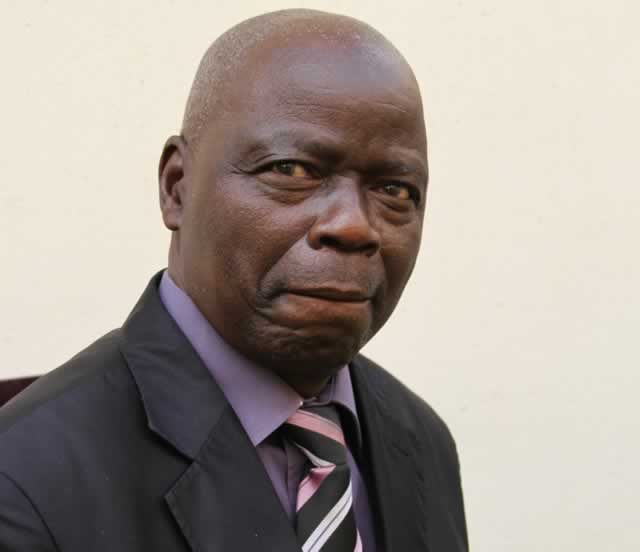
Herald Reporters
Energy and Power Development Minister Dzikamai Mavhaire has been criticised for extending Engineer Josh Chifamba’s contract as Zesa Holdings’ chief executive when he sat on a board of the power utility’s subsidiary that the minister dissolved for incompetence.
Eng Chifamba’s tenure was extended despite being implicated in the PowerTel Communications tender saga that saw Dr Denis Magaya being roped in to implement a project in defiance of a State Procurement Board resolution.
The SPB ruled that Zesa Holdings could not award the business strategy tender to Dr Magaya’s RubieM Technologies because he had been paid to devise it in the first place.
Then PowerTel chairman Mr Francis Chirimuuta and Eng Chifamba transformed the tender into an employment contract that saw Dr Magaya pocketing nearly US$40 000 a month in salaries and bonuses.
Dr Magaya also brought in four of his employees. In total, PowerTel paid Dr Magaya and his team more than US$1,8 million between 2012 and the present.
Transparency International Zimbabwe chapter chairperson Mr Loughty Dube yesterday queried the extension of Eng Chifamba’s tenure saying it went against the tenets of good corporate governance.
“The appointment of the chief executive is the prerogative of the board. There are set rules and targets that have to be followed before a contact is extended. This cannot be done by an individual as there have to be checks and balances before he commences his work,” Mr Dube said.
“Engineer Chifamba was part of the boards removed for incompetence and it is only logical that he should not have been re-appointed as chief executive of Zesa Holdings,” Mr Dube said.
An official with the National Code on Corporate Governance, who preferred anonymity, said someone else should have been appointed to the post in an acting capacity.
“That person who acts when he (Eng Chifamba) is away should have taken over while the issue of the board was being sorted out. The rush by the minister in extending the contract leaves a lot to be desired.
“Yes, he (Minister Mavhaire) has the power to appoint in the absence of a board as he represents the shareholder, but considering that Eng Chifamba sat on a dissolved subsidiary board, he should have left out the duty to the substantive board.”
However, Minister Mavhaire yesterday said Eng Chifamba’s term was not renewed but “it was just extended by six months”.
“Look for his letter and you will understand that it was simply extended by six months not the three years the media has been waffling about.
“There is no board at the moment but the extension was for continuity purposes and when the board comes it has the right to expel him or reappoint him.”
The CEO’s tenure expired on January 31, 2014 while the subsidiary boards were dissolved a week later.
Minister Mavhaire said the board would also set conditions of service for the new chief executive.
“The problem is you are doing a witch-hunt but you are doing it on the wrong people. You want to tarnish our image but at the end of the day you will be ashamed of yourself. Shame, shame, shame on you journalist,” fumed Minister Mavhaire.
Another expert, Mr Tinashe Tiki, said the controversy surrounding Eng Chifamba was enough to sideline him.
“He is someone embroiled in alleged scandals and the public does not want to see such kinds of faces leading such institutions,” he said.
Readers of The Herald’s website vented their anger against Minister Mavhaire.
“Mavhaire should have been made a Minister Without Portfolio. He is a disgrace to Energy and Power Development. At this rate Zesa is going down. CEO was supposed to be appointed by the board, period,” said a reader who identified himself as “Onlooker”.
“This leaves us without any doubt that Mavhaire and Eng Chifamba need to be replaced for the benefit of Zesa and the nation. I believe Zesa has more deserving candidates for the chief executive post.”
Another one, “Mats”, said: “Let us tell Mavhaire to withdraw the appointment like what Jona (Professor Jonathan Moyo) did (with Dr Magaya to chair the ZBC board).”
“Mai Fatso” said it was important for corporate governance to be taught in schools from an early stage.
“I think corporate governance ngaitotanga kudzidziswa kuZero Grade chaiko. Varume vakuru havasi kutomboona pavakakanganisa,” she said.



 Online Reporter