Online Reporter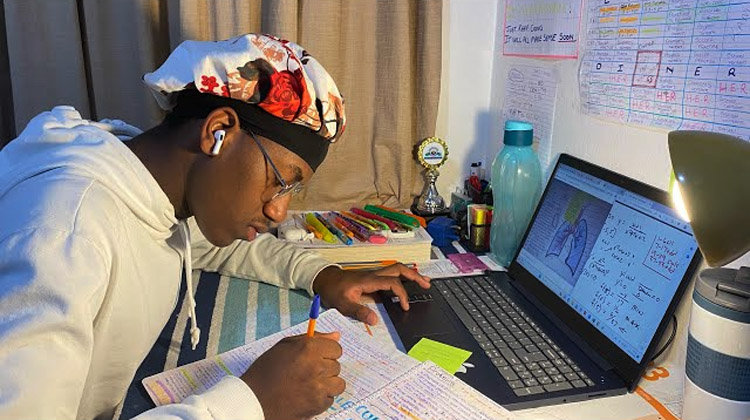
Cliff Chiduku
Career Navigator
AS the nation pauses to commemorate Heroes and Defence Forces holidays, schools across Zimbabwe have temporarily closed, offering learners a well-deserved break.
However, for thousands of learners in both primary and secondary schools, particularly those preparing for Grade Seven, ‘O’ and ‘A’ Level final examinations, this short break is, not just a time to rest, but also a crucial window to polish up on their studies and sharpen their readiness.
Examinations, especially final ones, are more than just tests. They are career-shaping milestones that determine future opportunities.
For that reason, using this break wisely can make a significant difference in performance and confidence.
Here are some practical holiday study tips that can help learners make the most out of this critical time.
Set realistic study goals
Without the structured routine of school, it is easy for time to slip by during holidays. That is why it is important for learners to start by setting realistic and achievable goals for the week.
Break down the syllabus into manageable portions and assign specific topics to each day. Do not try to cram everything at once — effective studying is about depth and consistency, not speed.
Use the SMART goals model: Specific, Measurable, Achievable, Relevant, and Time-bound. For example, rather than saying “I will study History today,” say, “I will revise the First Chimurenga War in History from 10am to 12pm.” Be clear on the topic you will tackle.
Develop a holiday study timetable
A well-planned timetable helps bring discipline and structure into the holiday. Learners should treat study time with the same seriousness as a school timetable.
Allocate specific times for each subject and remember to include regular breaks to avoid mental fatigue. During the holidays, aim for at least five to six hours of focused study per day.
Morning sessions are generally more productive, so start early and use afternoons for revision or engaging in educational group discussions.
Use past exam papers
One of the best revision strategies is to practice using past examination papers.
They give learners a feel of the types of questions that are frequently asked, how they are structured, and how to manage time during exams.
Practicing under timed conditions also helps improve speed and accuracy.
Learners should, not just answer the questions, but should also go through the marking schemes to understand how answers are awarded marks. This helps develop exam techniques, which are just as important as knowing the content.
Join or study groups
While studying alone promotes concentration, studying in groups can also be a valuable approach. Study groups encourage collaborative learning, help clear difficult concepts, and keep each other motivated. During this holiday, learners
should consider forming small, focused groups with classmates or neighbours who
are preparing for the same exams.
Technology can be harnessed too. WhatsApp groups or Zoom study sessions are useful platforms to share notes, solve problems collectively, and clarify difficult areas.
Leverage online and community resources
Thanks to the internet and mobile connectivity, learners today have access to a wide range of educational materials. Several websites contain past exam papers and YouTube has channels dedicated to offer video tutorials, quizzes and interactive content.
Manicaland State University of Applied Sciences (MSUAS) is also ready to offer support as part of its community outreach. Learners preparing for their Ordinary and Advanced Level examinations are welcome to tap into the institution’s resources, from mentorship to revision clinics and subject-specific support.
Such initiatives are vital in creating a supportive learning ecosystem across the province.
Look after your health
No matter how committed one is to studying, academic success requires a healthy body and mind. Ensure you get enough sleep.
Take time to relax, exercise, and eat balanced meals. Avoid all-night study sessions; they may lead to burnout and lower retention of information.
Mental health is just as important. If learners feel overwhelmed or anxious, they should speak to someone — be it a parent, teacher, or peer. Staying positive and confident is half the battle won.
Stay away from distractions
The holiday atmosphere can be distracting with family visits, television, and social media. It is important to minimise these distractions during study time.
Parents can help by creating a quiet and conducive study environment and monitoring screen time. Learners should also be self-disciplined and keep their focus on the bigger goal —passing the examinations.
Conclusion
This Heroes and Defence Forces holiday is more than just a break — it is a golden opportunity to get ahead in preparation for the final examinations. With the right attitude, effective planning, and access to support systems, every learner can maximise this period to boost their academic performance.
Let us all take responsibility and make every day of this holiday count. Success is built not on chance, but on choice and preparation.
Let us rise to the challenge —and polish ourselves for excellence!