Online Reporter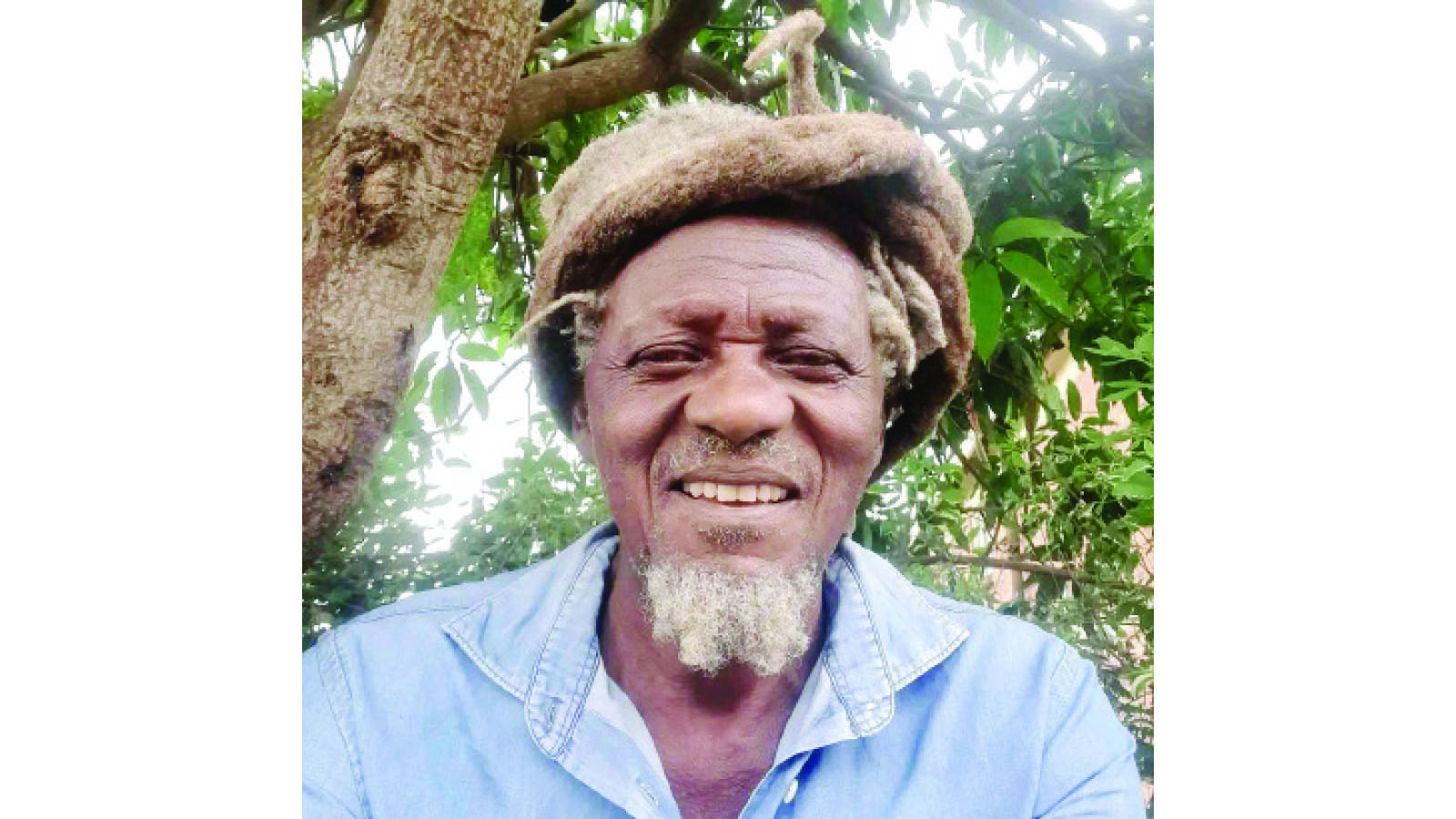
Trust Khosa
Zimpapers Arts, Entertainment Hub
Mbira DzeNharira founder, Tendayi “Samaita” Gahamadze, is treading with caution as he adjusts to the absence of his manager, who has recently enrolled in university.
The revered mbira player has reassured stakeholders that he is temporarily managing himself following the departure of his daughter, Kudzie, who has left the group to pursue her studies in Zambia.
He created this counter to deter imposters who were preying on him.
“I am currently without a manager after Kudzie returned to school. The other member, Ruzivo, is focused on her business, and another member is in the UK.
“However, the three girls are still assisting me here and there if anyone wants to book us for a show,” Gahamadze shared in an interview with Zimpapers Arts and Entertainment Hub.
To further clarify the current management situation and counter claims made by impostors, Gahamadze stated that they are cautiously handling their responsibilities.
“The issue of impostors is real and has affected me. I have been targeted by these impostors because of our popularity and fame. There are individuals who exploit such situations, which is why I felt it necessary to address this matter. It’s a temporary situation, and I’m confident we will be okay soon.”
Gahamadze, who has been in the industry for over four decades, praised his band members for their loyalty and transparency.
“As a group, we take every situation as it comes and we are happy as a team. This has kept our band united and moving forward. We will resolve the management issue very soon,” he stressed.
Despite missing his manager, Gahamadze has vowed to proceed with their album launch, which is set to bring various stakeholders together under one roof tomorrow at Alliance Française in Harare.
“We are going to launch our 12th album titled “Chivimba Namuyeni” on the 23rd of August at Alliance Française. We have invited a mbira outfit called Mbira Spirit from Canada to perform as supporting acts. A marimba group will also perform at the event as we celebrate our culture,” he stated, urging fans to show up in numbers.
At 68, Gahamadze believes he still has the mojo to shine as a mbira player and composer.
“Nothing will stop us from fulfilling what we want in this particular genre.
It’s a marvel to watch people still follow their traditional way of life, using Mbira as a catalyst for what they are doing. This alone shows that mbira is here to stay because the same mbiras are also used for traditional ceremonies,” he emphasised.
The phenomenal mbira teacher, mentor, and cultural advocate is looking beyond the launch.
“To be honest with you, we will outline our regional and international tours after this launch.
“We have a lot coming and we are more than ready to conquer the region with this new album, which carries six tracks of superior quality.”
Gahamadze believes they have nailed it with this album, which features six tracks.
Some of the tracks popular with fans include “Mbira Huru”, “Kumarinda,” “Hurombo,” and the title track “Chivimba Namuyeni,” which is now popular among their followers.
Besides “Chivimba Namuyeni,” Gahamadze has been producing polished albums over the past years.
Some of the popular albums that made him a household name from the late ‘90s into the new millennium include “Rine Manyanga Hariputirwe,” “Tozvireva Tingaputike Neshungu,” “Toita Zverudo,” “Fare Fare Tindike,” “Zamu Rambuya,” and “Kudya Kwenzeve,” among others.
In addition to this rich catalogue of songs, he has established himself as a mbira teacher, counsellor and mentor.
Hailing from Norton, 40 km west of Harare, Gahamadze is undoubtedly one of the cultural ambassadors who have toured Europe, America and Asia promoting the thumb piano.
For all his exploits, he has also been praised for his role in promoting Zimbabwean tradition with aplomb. He believes in nurturing young talent and his homestead in Norton is always swarmed by young people eager to learn mbira.
Like any other profession, Gahamadze has weathered many storms, including a painful split with Tichaona “Nyamasvisva” MaAfrika in 2004.