

 admin
admin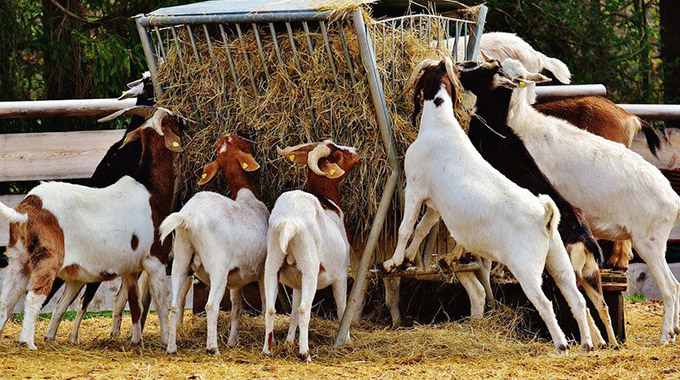
Ashton Mutyavaviri
A DIRECT meat marketing initiative introduced by the Zimbabwe Agricultural Growth Programme (ZAGP) is bearing fruits with Mbire Goat Producers Association, Mashonaland Central, managing to sell 100 goats and producing 50 commercial breeding stocks monthly.
The scheme was funded by the European Union through ZAGP, Value Chain Alliance for Livestock Upgrading and Empowerment (VALUE) project.
It links the farmer directly with licensed independent markets (butcheries and supermarkets) and consumers without any direct involvement of the middlemen.
Mbire Goat Producers Association market facilitator Mr Evans Sabawo said they now had the capacity to sell 100 goats per month adding that they recently brought 150 goats to Harare markets.
“We sell our goats to the abattoirs, butcheries and individuals. Our goal is to deliver the meat countrywide but the challenge right now is that we do not have cold storage facilities like refrigerated trucks to transport the carcasses.
“It is very expensive to transport them alive. Our biggest challenge are the high transport costs. The cost of transporting goats from Mbire to Harare is US$5 per beast,” said Mr Sabawo.
He suggested that it would be better if transporters charged at least US$3 per goat to enable farmers to make profits.
Mr Sabawo also highlighted that some potential customers were dishonest, which was frustrating the association as well.
“We need agreements with butcheries because we are coming across situations where buyers can refuse to buy our meat after we would have ferried it from Mbire to Harare. These agreements will be hold the buyers accountable in the event that they later renege on their promise to buy the goats after we deliver them slaughtered,” he observed.
It costs US$3 to have a goat slaughtered while the meat is sold at US$3, 30 per kilogramme.
The association has a herd of 1 362 goats. To supply 100 goats monthly, it also takes on board stock from non-members intending to sell theirs to reliable markets.
“We were trained to do feed formulations so we are now using that knowledge to prepare supplementary feed for our goats. We make the feed muchekecha leaves, cow peas, sorghum and groundnuts shells,” he further explained.
Mr Sabawo commended ZAGP for giving them the capacity to improve their genetics and improve their livelihoods as well.
“We are now able to produce and sell breeding stocks of the Kalahari and Boer types. We have the capacity to produce at least 50 animals per month,” he said.
The association plays the role of supporting farmers through backward and forward integration in the goat value chain.
It is working with Government in organising and providing responsive training for various issues from production to marketing.
Farmers are trained on the importance of dosing, vaccination and dipping, as these have an influence on meat and offal quality.



 Online Reporter