admin
admin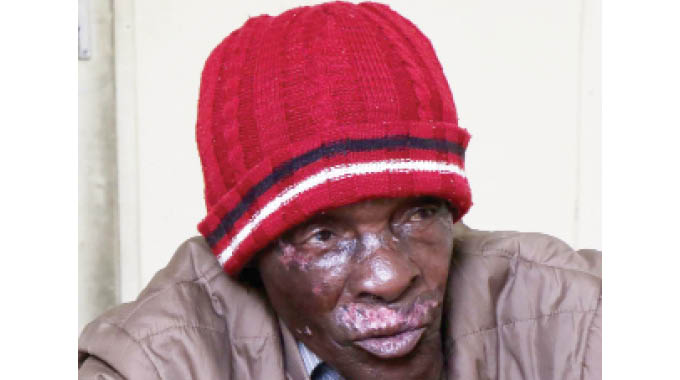
WE continue our interview with Cde Kenny Sibanda aka Cde Dallas Nyamukapa, a veteran freedom fighter who joined the armed struggle in the late 60s and was trained at Morogoro Camp in Tanzania. However, Cde Sibanda after being deployed for operations in Hurugwe District in Mashonaland West Province was in 1977 arrested by his Zipra colleagues when he and two others tried to attend the Conference of Militants that was addressed by Zapu President, Dr Joshua Mqabuko Nkomo at the Freedom Camp (FC). Last week Cde Sibanda spoke about how he was detained at the Victory Camp where Dr Nkomo stumbled upon them as “prisoners of war”. Cde Sibanda said Dr Nkomo was infuriated that some cadres were being detained in inhuman conditions and called for a stop to that, insisting that if anyone had committed an offence then the commanders should wait as such characters would be tried back home after the attainment of independence. Today Cde Sibanda continues talking about his ordeal to our Assistant Editor Mkhululi Sibanda (MS). Below are excerpts of the interview:
MS: You were talking about being taken to Mboroma by Mike Reynolds (late Brigadier-General Charles Grey). Take us through that.
Cde Sibanda: We were taken to Mboroma by umkharadi (the coloured) Mike Reynolds all the way to Mboroma. I cannot tell anything about the journey because the three of us in that vehicle were blindfolded. We did not see anything. Our hands were also cuffed while our legs were shackled with leg irons. It was as if we were dangerous criminals. They were doing all this to us without preferring any charges. Being moved under such conditions I would be lying to say I saw or observed anything along the way to Mboroma. Besides myself the other two prisoners were Jabulani Mabaleka and Benjie. These two were also trained guerillas who had been arrested while coming from operations at the front. They were also in Zambia for the Conference of Militants.
MS: Then when you got to Mboroma, what were your impressions of the facility?
Cde Sibanda: The place had a very big barrack and as a trained person I could tell that it was not properly secured. I had that feeling that the place was prone to attack and if attacked the inmates were very exposed. From the onset as a guerilla who had been to the front I felt exposed to danger, I was very insecure. However, there were some guerillas who were there to provide security and in fact they were there to prevent us from running away, although only a fool could have thought of running away from that place because it was in the middle of nowhere. I can tell you the place was teeming with people, some young as those who had been arrested by the Zipra Military Intelligence on flimsy excuses like if one had said he was once arrested by the Rhodesian police. Then the MID guys would say so the Rhodesians turned you into a spy and sent you here. Some were people who had worked for the Rhodesian government and had seen the need to join the armed struggle. Remember there were messages being broadcast on the radio by Jane Ngwenya where she was urging Zimbabweans to leave the country and go and join the armed struggle. The message was directed to everyone including those working for the Ian Smith regime, some of those might have been in different State departments including in the security sector like the police and so on. However, on arrival at Nampundwe such people, much to their horror, were arrested and severely tortured. One only survived after falsely admitting that he was a spy. People were forced to lie to survive.
MS: What about trained personnel like yourself, what were you accused of?
Cde Sibanda: As for trained guerrillas like myself we were being accused of being renegades when in actual fact some of the commanders had become renegades themselves. What was disappointing is that after being arrested no charges were preferred against us. We were just taken to Mboroma where we were kept. There were a lot of people there, about 400 or so. When I got there, there was no air defence to protect the camp. It is like no one cared what happened to people like us.
MS: Among the inmates how did you relate?
Cde Sibanda: People will start by telling each other the reasons for their arrest and then move to things about someone’s background, where one came from, that is the rural home and so on. What I should point out is that if one was considered undisciplined then he would be thrown into an underground shelter until the authorities were satisfied that the person had reformed.
MS: What about food?
Cde Sibanda: I don’t want to lie, food was not a problem as we were well fed. Even meat, there were times when people would go for hunting and bring game meat to us.
MS: You raised the issue of being regarded as renegades, what did that mean?
Cde Sibanda: It meant that we had rebelled against both Zapu and Zipra. So we were not taken through a court martial as it was felt that we would be tried when we returned to Zimbabwe after attaining independence.
We conclude the interview next week with Cde Sibanda relating how he survived the bombing at Mboroma when the Rhodesian forces attacked the camp in an operation code named Operation Vodka in 1978.


 Online Reporter