Online Reporter
Arron Nyamayaro
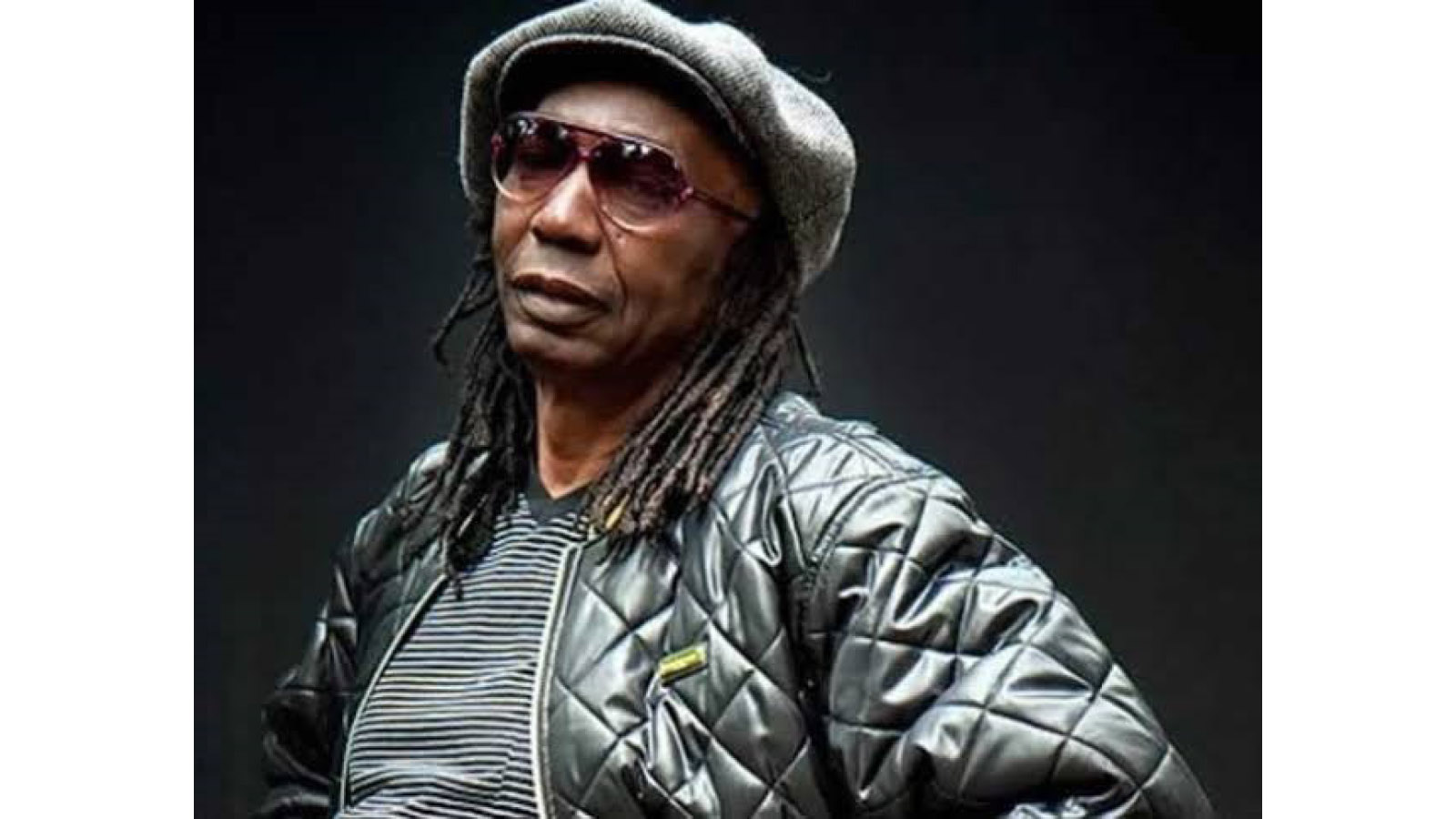
MBUYA Mhara, a traditionalist and musician, says part of her calling is to support scores of victims of rape.
She is doing that through counselling sessions.
She says this is meant to help them free themselves from their nightmare. She said her involvement comes from the belief that survivors deserve care, dignity, and guidance. Mbuya Mhara says many survivors feel overwhelmed.
She also runs awareness campaigns against prophets and sangomas who exploit clients, taking advantage of their vulnerability and suffering. For her, this work is part of protecting people from exploitation while promoting values she believes should guide society.
Born Yolanda Gondo, Mbuya Mhara, 33, said she will spend Africa Day at home.
She says Africa Day is about celebrating African pride.
She was quick to clarify that she is not someone controlled by spirit mediums. She says what she experiences is not strange or frightening but it is just real, vivid and guiding.
She said the voices she has been hearing did not arrive like vague thoughts. Instead, they came with clarity – bringing songs, words, and rhythms that felt ready for performance the moment she woke up. “I want to believe African pride has taken me over,” she said. “My spirit feels comfortable to find more time playing the traditional songs I penned.
“When I shared my experiences with my colleagues and relatives, some have even decided to spend day and night with me as we play the songs.”
Mbuya Mhara comes from a family of nine children and she is the last born. She said she began composing songs at a tender age.
Today, her creativity is no longer just personal – it reflects community life.
Her songs touch on family conflict, friendship, grief, accountability, and the moral teachings she believes society must never lose, even as the country marks milestones such as Africa Day.
In 2023, she penned seven songs, which she said are still awaiting to be officially released.
Even without a formal launch, she has continued performing them for friends and relatives.
Among her compositions is the song “Mapfupa.”
In the song, she sings about dry bones scattered in forests across the country – bones that, through traditional understanding, communicate with the living. The message, she said, is not only about tradition but about how communities should respect customs.
Another track, “Sahwira,” is about the role played by close friends in settling family disputes. “Nyarara” is a comfort song for people dealing with grief. Mbuya Mhara says her music is not about entertainment. For her, the music teaches, warns and calls for reflection. “We have to come down to our senses and look at our history, where we are coming from and not forget to thank those who sacrificed for us to enjoy this peace, whatever is in our possession,” she said.
She feels remembrance should not be confined to a single day.
Instead, the teachings of national identity and the power of mother language should continue in daily behaviour – through how people treat one another, honour elders, respect tradition, and reject harmful practices that damage communities. Mbuya Mhara was born in Chegutu, grew up in Bulawayo, and later relocated to Harare, where her musical and business life is currently based.