admin
admin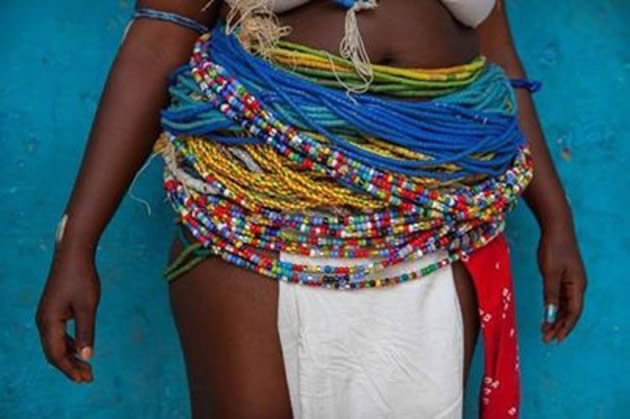
Ryn Gargulinski eHow Contributor
Waist beads date back to ancient Egypt, where paintings of dancers wearing the beads appear on tomb walls, according to the Waist Beads website. The tradition has since spread through several continents and centuries to include women in various cultures, including those in the United States. Waist beads have a number of different purposes and, perhaps, even more different styles.
Designs
Waist beads can be very simple or incredibly elaborate. Beads can be of any size and material, including glass, stone, clay and sandalwood or other aromatic material. Some African women add fragrant oil to their beads, The Orb of Djenra notes, while shaman women often add gems and crystals to add healing properties.
Most cultures wear at least two or more strands of waist beads, although an even number of strands brings bad luck in some regions, according to Free 2 Bellydance. African women have traditionally worn waist beads beneath their clothing, yet other cultures proudly display the beads over their clothes or on bare midriffs.
Femininity
Waist beads can serve as a symbol of femininity. The beads were an integral part of African female initiation lodges in the Old Kongo Empire, according to The Orb of Djenra. Young females began to wear the beads when they started to menstruate, marking their passage from girlhood to womanhood.
The beads may have also served as a kind of belt onto which the “monthly cloth” was attached, the site added. In other areas, waist beads are gifts for young women about to marry, according to Free 2 Belly Dance. Women of other regions wear the beads while pregnant or use the beads in foreplay to entice their husbands. Others start wearing the beads as young girls after receiving a set as a baby gift.
Folklore
African folklore gives waist beads special powers, The Orb of Djenra said. The beads, worn to define the waist, help women hold their shape. They also serve to help women hold onto their mate. Protection is another function of the beads, as they encircle the body and close off the circuits of energy. Wearers are thus protected from obsessive thoughts, negative spirits and even vampires, Djenra said.
Ornamentation
Ornamentation is a major role for waist beads. In West Africa’s Efik culture, especially, the beads served to transform women into “walking charms,” The Orb of Djenra said.
Since beads were considered money all over Africa, waist beads were both ornamentation as well as dowry in matriarchal societies. Husbands-to-be would give his bride-to-be a set of waist beads accompanied by beads for her neck, arms, wrists and ankles. Throughout all parts of the world, Free 2 Belly Dance notes, waist beads were worn for aesthetics, largely considered an item of beauty.
Evolution
Waist beads have a long history in Africa, and they have also filtered into other cultures. Belly dancers in Eastern cultures have embraced the beads, according to The Orb of Djenra, as have women of Islamic cultures. The former prominently display the beads during their dance while the latter wear them beneath their clothes. Waist beads are alive and well in the United States, where they are worn mainly for ornamentation, but can still have any significance the wearer chooses, Free 2 Belly Dance says. —www.ehow.com.



 Online Reporter