Online Reporter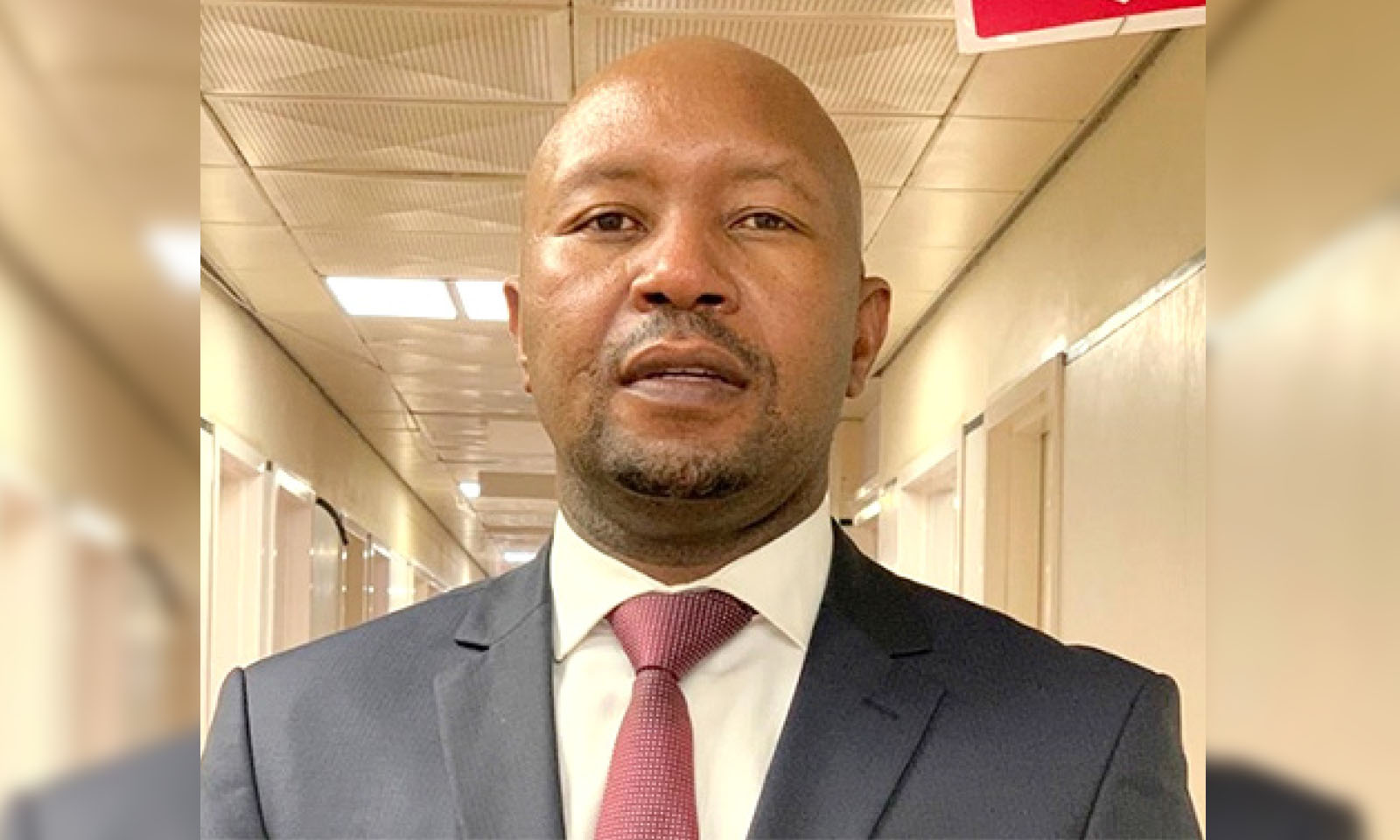
Robin Muchetu, [email protected]
MEDICAL aid societies have been urged to disinvest from providing healthcare services — including running clinics, diagnostic centres and pharmacies — as part of efforts to standardise their operations.
A proposal under the Medical Services (Medical Aid Societies) Amendment seeks to clearly separate the roles of funders and service providers, prohibit vertical integration, and return to the previous model where medical aid societies focused solely on financing healthcare while providers delivered medical services.
Under the current Statutory Instrument 330 of 2000, medical aid societies are permitted to invest their assets in any manner permitted by their constitutions and are only required to notify the Ministry of Health and Child Care of investments made.
A consultative meeting held in Bulawayo to refine the amendment saw stakeholders raising concerns and seeking clarity on the proposed changes.
Director of policy planning and health economics in the ministry, Mr Tonderayi Kadzere, said although medical aid societies were initially allowed to provide healthcare services, the environment has since evolved.
“This means that when medical aid societies entered into service provision, it was legal, the law permitted that. But now, we want to see how we can reverse this. No medical aid, its subsidiary, associated entity or any entity under its direct or indirect control shall own, manage, operate or hold any financial controlling or ownership interests in any service provider assets,” he said.
These include healthcare providers, private hospitals and specialised medical units.
He said funders that already own such assets will be required to wind down operations under a phased disinvestment approach.
“Any society currently holding a service provider asset must submit a formal disinvestment plan to the regulator within six months. This includes the complete sale of that business if it is transferred or disposed of and the process must be concluded, with no involvement of related third parties, within 24 months. The Secretary must reject any plan that results in continued control or financial association with the medical aid society,” said Mr Kadzere.
The second major amendment introduces a risk based capital framework.
“This means that societies must, at all times, maintain a capital and surplus level not less than the Solvency Capital Requirement (SCR), calculated using the RBC formula prescribed in the Fifth Schedule. Societies must also maintain sufficient liquid funds to pass quarterly stress tests, demonstrating their capacity to withstand predefined adverse volatility scenarios over a minimum twelve month forward looking period,” said Mr Kadzere.
The SCR will incorporate all quantifiable risks, including underwriting, asset, credit and operational risks.
“The sector is transitioning from a prescriptive solvency model to a modern Risk Based Capital (RBC) framework to protect members’ funds. The aim is to avoid a situation where schemes disappear, leaving members uncovered,” he said.
Permanent Secretary in the Ministry of Health and Child Care, Dr Aspect Maunganidze — represented by Dr Stephen Banda — said the amendment to Statutory Instrument 330 of 2000 was necessary as the health financing landscape has changed significantly since its introduction.
“Factors necessitating this legislative review include fluctuations in and evaluations of the cost of healthcare delivery, the need for enhanced structural integrity and sustainability within medical aid schemes, shifting consumer expectations, and a more rigorous environment that requires adaptable frameworks,” said Dr Maunganidze.
He said the amendment also aims to maintain legal, administrative and operational relevance.
“It is imperative to strengthen this framework to ensure it remains responsive, transparent and fit for purpose. The primary objectives of the draft amendments include enhancing accountability and standards within medical aid societies, strengthening legal safeguards for contributors and beneficiaries, mandating greater clarity in financial management and benefit disclosures, promoting fairness and long term stability in scheme administration and harmonising the framework with current health sector realities and public policy,” he said.
Dr Maunganidze stressed that the consultative process is vital, describing the framework governing medical aid societies as a core pillar of social security that speaks to the constitutional right to healthcare.
Representatives of medical aid societies expressed concern that disinvesting from service provision could negatively affect rural communities. Zimbabwe has 42 medical aid societies, and only a limited number are able to establish operations in rural areas.
A representative from Masca said: “They go there, invest heavily in pathology, radiology and other facilities for rural and informal sector populations. Now, if they are told to disinvest and sell their assets, the nation will suffer. Many medical aid societies support the Government by subsidising provincial hospitals. If they are forced to sell, what will happen to the staff they have employed for years?”
Others argued that medical aid societies expanded into healthcare delivery to fill gaps in service provision.
“There is a reason why medical aid societies diversified their operations over the years, they filled a vacuum. What prompted the shift back to the arrangements of 27 years ago? If we change now, what will happen to that vacuum created back then? Medical aid societies represent the people, what will the people do?” questioned another provider.
Responding to queries on why funders entered healthcare delivery, Ms Shylet Sanyanga, chief executive officer of the Association of Health Care Funders of Zimbabwe (AHFoZ), said they were compelled to act when members’ cards were rejected.
“One reason is that some service providers suddenly stopped accepting medical aid cards. Medical aid societies, having collected funds from members, still had to find solutions since members had nowhere to go despite paying subscriptions,” she said.
Concerns were also raised about members seeking treatment abroad.
“You find someone contributing to a medical aid scheme for years with few or no claims, but when they need treatment, society cannot assist and people turn to platforms like GoFundMe. People are not receiving treatment and some die,” a stakeholder noted.
Some medical practitioners argued that medical aid societies had drifted from their core mandate as non-profit funders, venturing into healthcare provision for profit.—@NyembeziMu