Online Reporter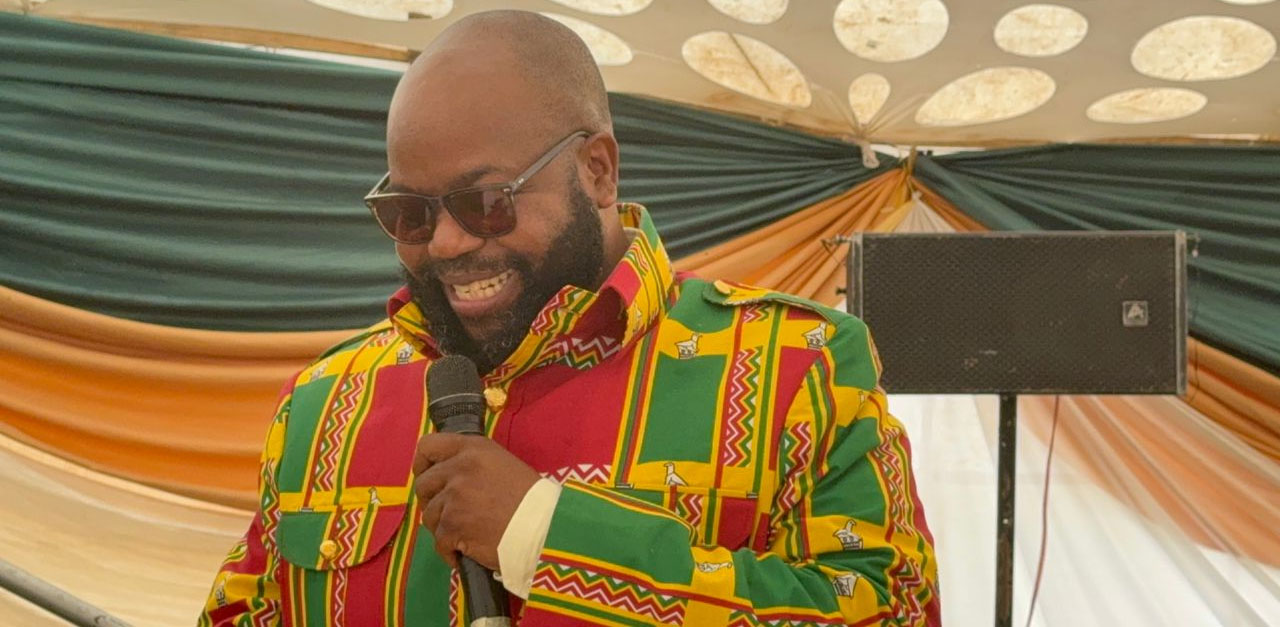
Tendai Gukutikwa
Health Reporter
EFFORTS to improve men’s health in Manicaland received a major boost last Friday as hundreds of men accessed free health screening services during the Provincial Male Engagement Symposium in Checheche, where Government and stakeholders warned that poor health-seeking behaviour and drug abuse continue to claim lives, undermine families and fuel gender-based violence.
The symposium, organised by the Zimbabwe Gender Commission (ZGC), brought together Government departments, law enforcement agencies, health institutions, traditional leaders and community representatives to promote positive masculinity, men’s health and responsible citizenship.
Addressing delegates, Minister of State for Manicaland Provincial Affairs and Devolution, Advocate Misheck Mugadza, said the fight against drug and substance abuse is inseparable from efforts to improve public health and strengthen families.
He described substance abuse as a growing public health and socio-economic threat that is undermining national development and jeopardising the attainment of Vision 2030.
“Responsible men do not destroy themselves with drugs. Substance abuse robs families of fathers, weakens communities, fuels violence and deprives the country of a productive workforce. That is why the Government continues to prioritise programmes aimed at preventing drug abuse and rehabilitating those affected,” he said.
Minister Mugadza said the effects of drug and substance abuse extend far beyond individual users, contributing to domestic violence, family breakdowns, mental health problems and declining productivity.
He also challenged men to confront what he described as a “silent crisis” – the tendency to delay seeking medical attention until illness becomes severe.
“For far too long, many men have viewed seeking medical attention as a sign of weakness. That mindset must change. Early screening saves lives, and every man should know his health status through regular medical check-ups. We want men to seek help before illnesses become life-threatening,” he said.
The minister applauded the inclusion of health services at the symposium, saying the initiative demonstrated the importance of bringing healthcare closer to communities and encouraging men to take charge of their wellbeing.
Health services were a key feature of the event, with hundreds of men taking advantage of free medical screening and health education programmes.
Participants were screened for a range of conditions, including prostate cancer, diabetes, hypertension and HIV, while health professionals also provided counselling on healthy lifestyles, disease prevention and the importance of routine medical examinations.
ZGC Manicaland regional coordinator, Mr Confidence Mungayi said integrating health services into the symposium was deliberate, as men continue to record low uptake of healthcare services, often seeking treatment only when illnesses have reached advanced stages.
He said promoting gender equality also means addressing challenges affecting men, and while the Commission remains committed to advance the rights of women and girls, it equally recognises the need to engage men as partners in building healthy and peaceful communities.
Mr Mungayi said growing levels of drug and substance abuse among men are contributing to a range of social and health problems, including depression, suicide, gender-based violence and family disintegration.
“Many men are silently battling addiction, emotional distress and mental health challenges, yet they rarely seek assistance. We are encouraging them to speak out, access professional help and make use of health services whenever they need them. Looking after your health is a sign of responsibility, not weakness,” he said, encouraging men to attend health screenings.
The symposium also heard that involving men more actively in reproductive and family health will strengthen families and improve health outcomes.
Zimbabwe National Family Planning Council (ZNFPC) official, Mr Daniel Maromo challenged men to be active participants in family planning instead of leaving reproductive health decisions entirely to women.
“Couples should discuss together the number of children they wish to have and the spacing between pregnancies. Men need to understand the family planning methods their partners are using because these are decisions that affect the whole family,” he said.
Mr Maromo also warned men against using unregulated herbal sexual enhancement products commonly known as guchu.
“Men should avoid self-medicating with products whose contents and safety are unknown. If someone is experiencing sexual health challenges, the safest option is to consult a qualified healthcare professional who can prescribe appropriate treatment,” he said, adding that men should also accompany their partners to health facilities during antenatal visits and other reproductive health services to promote shared responsibility within families.
Criminal Investigations Department (CID) Drugs and Narcotics Unit officer, Innocent Mudari warned that drug abuse remains one of the major drivers of violent crimes and domestic abuse in communities.
“The abuse of substances affects judgment, increases aggression and often results in violence against spouses, children and other family members. We continue to encounter cases involving marijuana, illicit brews and misuse of cough syrups and other dangerous substances,” he said.
He said the fight against drug abuse requires collective action from families, churches, schools, community leaders and Government institutions.
The symposium forms part of ongoing national efforts to encourage positive masculinity, reduce gender-based violence and improve men’s participation in health programmes, while advancing Government’s broader public health objectives and Vision 2030.