Rumbidzayi Zinyuke
Health Buzz
If you walk into one of the local supermarkets today and make a purchase, you may be offered the option of buying a muffin topped with blue icing as part of a prostate cancer awareness initiative, with proceeds going towards supporting cancer care.
It is a simple gesture, but one that carries an important message. That the fight against prostate cancer requires everyone’s participation.
As November, the month dedicated to raising awareness of men’s health, draws to a close, such initiatives will eventually end, the blue decorations will come down and attention will shift to other causes.
But men’s health awareness must not end with the month.
Prostate cancer does not take a break when November ends, and neither should efforts to encourage men to understand their risk, seek medical advice and get screened where appropriate. The money raised through cancer awareness initiatives is important, but their greatest value should be in sparking conversations and inspiring men to take charge of their health long after they have ended.
The statistics make a compelling case for this sustained attention.
According to the International Agency for Research on Cancer’s (IARC) GLOBOCAN 2024 estimates, more than 1,5 million men were diagnosed with prostate cancer worldwide, while nearly 420 000 died from the disease. It remains the second most commonly diagnosed cancer among men globally.
In Zimbabwe, prostate cancer is the leading cancer among men, making the need for sustained awareness particularly urgent.
The Zimbabwe National Cancer Registry’s 2019 report showed that prostate cancer accounted for 28,4 percent of cancers recorded among black Zimbabwean men, while it represented 11 percent of all cancer deaths recorded that year.
These are not just statistics.
Behind every figure is a man, a family and a community affected by a disease that can remain undetected for years.
One of the biggest challenges with prostate cancer is that it often develops without noticeable symptoms in its early stages. A man can feel perfectly healthy while cancer cells are growing in his prostate, only seeking medical attention when the disease has advanced.
The prostate is a small gland, about the size of a walnut in younger men, located below the bladder and in front of the rectum. It produces fluid that forms part of semen. Cancer develops when cells in the gland begin growing uncontrollably, with some forms progressing slowly while others can spread to surrounding tissues and distant organs, particularly the bones.
When symptoms appear, they may include frequent urination, especially at night, difficulty starting or maintaining urine flow, a weak or interrupted stream and a feeling that the bladder has not emptied completely. Blood in the urine or semen and persistent pain in the back, hips or pelvis may also require investigation.
However, these symptoms do not automatically mean cancer. An enlarged prostate and prostate inflammation can cause similar problems. What matters is that men do not dismiss changes in their bodies as ordinary signs of ageing.
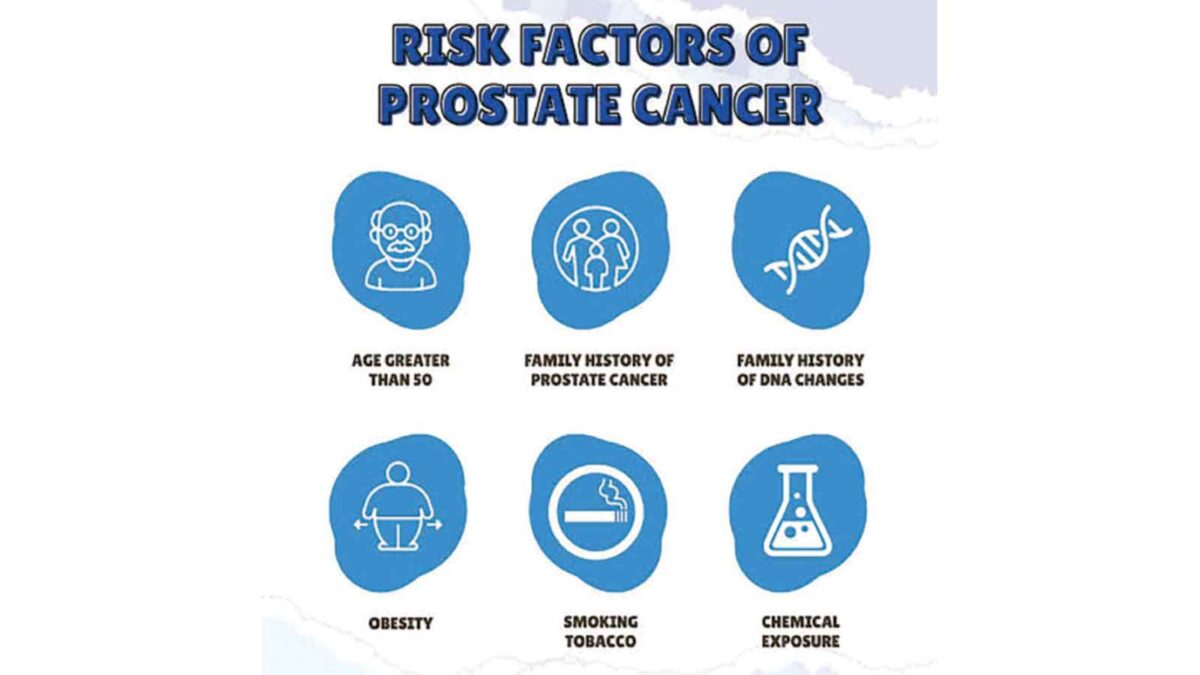
Age is a major risk factor, with the likelihood of developing prostate cancer increasing significantly after 50. Men of African ancestry are also at greater risk of developing the disease and more likely to experience aggressive forms. A family history, particularly involving a father or brother diagnosed with prostate cancer, further increases the risk.
This makes it important for men to understand their risk and discuss appropriate screening with health professionals rather than waiting for symptoms.
One of the tests used to assess prostate health is the Prostate-Specific Antigen (PSA) blood test, which measures a protein produced by the prostate gland. Elevated levels may indicate cancer, but can also result from infection or an enlarged prostate. Further assessment may include a digital rectal examination, imaging and, where necessary, a biopsy.
The challenge in Zimbabwe is not only the burden of the disease but also the gaps in knowledge and screening practices.
A 2023 study, which examined prostate cancer knowledge and screening practices among 269 men aged 40 and above in Mufakose, Harare, found that 74,5 percent did not know what prostate cancer was. Furthermore, 87,7 percent had never undergone screening.
Although the study was conducted in one community and cannot be taken as representative of all Zimbabwean men, its findings point to an important gap between the country’s cancer burden and men’s understanding of the disease.
The study also found that most respondents were willing to undergo screening, suggesting that awareness and access to appropriate services could help improve uptake.
This is where the conversation needs to move beyond November.
Health authorities, healthcare providers, employers, communities and private-sector partners must find ways of keeping men’s health on the agenda throughout the year. Workplace wellness programmes, community outreach, public health campaigns and accessible screening and diagnostic services can help reach men who might otherwise only visit health facilities when they are seriously ill.
Families should equally become part of the conversation. Women often encourage their husbands, fathers, brothers and sons to seek medical attention, but men must also take personal responsibility for their health. Conversations about prostate cancer should not be treated as embarrassing or reserved for older men.
There is also need to challenge the culture that equates seeking medical help with weakness. Many men postpone examinations because of fear, embarrassment, work commitments or the belief that they should endure discomfort without complaining. Unfortunately, delaying medical attention can allow a potentially treatable condition to become more complicated.
Importantly, prostate cancer awareness should not overshadow other men’s health concerns. Testicular cancer, mental health challenges, cardiovascular diseases, diabetes and other non-communicable diseases also require attention. Men’s health is much broader than prostate cancer, and preventive healthcare should become part of everyday life.
As November ends, the moustaches may disappear, and the blue decorations may come down, giving way to Christmas displays. But the responsibility to protect men’s health must remain.
Cancer does not observe a calendar, and neither should awareness. Men’s health matters in January, March, July and every other month of the year.
Feedback: [email protected]