


 peter
peter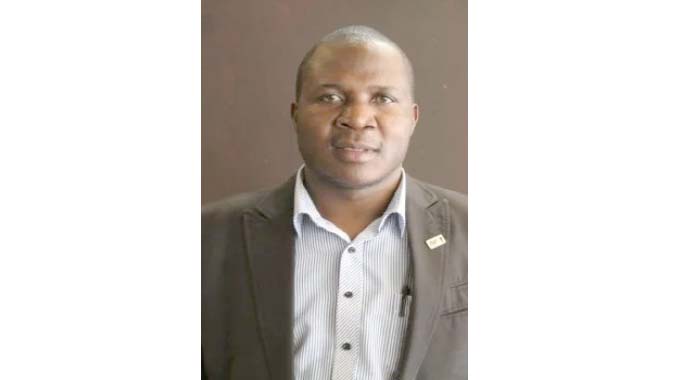
Judith Phiri, Business Reporter
THE adoption of new technologies and innovations to reduce production losses and enhance import substitution through value addition and beneficiation in the metal casting and engineering sector should be taken seriously as the sector is critical in the country’s infrastructure development strides, an official has said.
Zimbabwe Institute of Foundries (ZIF) chief operations officer (COO), Mr Dosman Mangisi said the massive infrastructure development going on in the country calls for the metal and engineering sector to up their game so that they meet demand and quality required.
He said issues of quality and import substitution through value addition were going to take centre-stage in the second edition of the Metal Casting and Engineering Summit Awards to be held on Thursday and Friday in Harare.
The awards will be hosted by the Zimbabwe Institute of Foundries (ZIF) in conjunction with the Dinson Iron and Steel Group and will be running under the theme: “Value Addition and Beneficiation of Metals — Developing Local Markets for Metal Casting and Engineering.”

“There is a need to develop the sector so that we are able to satisfy the market and substitute imports. We also need strict quality control, financing and retooling and part of the presentations at our summit will touch on that.
“Globally new technologies are taking centre stage in various sectors and as the foundry sector, we need innovation projects that can contribute to the transformation of the sector from the production processes in a foundry setup such as moulding, casting, how to reduce misruns and minimise blow holes on castings among other things,” he said. Mr Mangisi said positioning iron ore as a strategic mineral in the development of the iron and steel industry as well as its role in production of metal products was also an important part of the discussions.
Mr Mangisi said there was a need to unpack the contribution of minerals such as chrome and its uses when added to steel to improve strength, corrosion resistance and response to heat treatment, while also harnessing its profitability among other things.
“The other key issue to be discussed is energy, which has been a challenge to the industry. We need to look at how it can be addressed and also identify new avenues that will support the growth of the foundry sector,” he said.
Mr Mangisi said they were expecting international company representatives in the foundry industry to attend the event.
The awards ceremony will reward companies that have been value adding and beneficiating in the metal industry as enshrined in the National Development Strategy 1 (NDS1).
“It is important to honour people who are putting efforts in the development of the foundries industry. They are quite a number of initiatives on the ground, be it technically, socially or economically to make sure that value addition and beneficiation of metals is driven at community and national levels,” he said.


 Online Reporter