

 admin
admin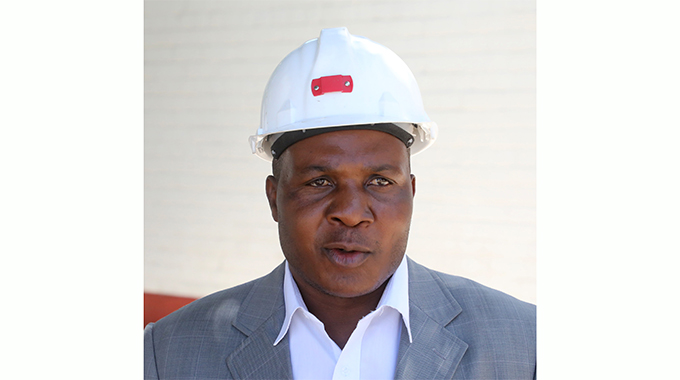
Oliver Kazunga
Senior Business Reporter
THE metal casting industry is lobbying the Government for increased electricity supply to the sector during the night period when demand on the national grid would have eased.
The Zimbabwe Institute of Foundries (ZIF), which represents players in the foundry and metal casting industry recently conducted a tour of some of the foundries in Harare where it emerged that a number of them have been hit hard by the prevailing load-shedding.
Due to erratic power supplies, the companies have cut down production time, sending the workers home as they cannot afford to pay hours not worked for.
ZIF chief executive officer Mr Dosman Mangisi said as a result of the prevailing power situation, the metal casting industry was securing electricity once or twice per week.
“Currently, the metal casting industry in these big cities are at a dead end with erratic power supply being the main challenge.
“Players have been moving to buy induction furnaces running away from the high cost of coke that has been rising.
“But now they have been found wanting due to power blackouts, which is a cause for concern as foundries and the metal casting sector are now forced to send workers home as they cannot afford to pay for days not worked.
“We feel the Government through the Ministry of Energy and Power Development should have a provision for industry to get electricity during the night when most businesses will be closed and demand on the national grid would have eased,” he said.
Zesa Holdings, the country’s power utility, announced a reduction in load shedding in response to the rising domestic electricity generation capacity that has seen Zimbabwe surpassing 1 000MW total output from the lowest output of about 300MW in February this year.
The spike in output follows the successful synchronisation and commissioning of the 300MW Hwange Thermal Power Station’s Unit 7 expansion project last month, among other interventions by the Government aimed at boosting power supplies.
The metal casting industry is one of the sectors expected to contribute significantly to the growth targets as espoused in the National Development Strategy 1 (NDS 1) towards Vision 2030 where the Government targets an upper middle-income society.
“Without adequate power supply, it’s difficult for the foundry and metal casting industry to carry out their operations as well as value addition and beneficiation.
“There is a need for the Government also as enshrined in NDS 1 to invest more into metallurgical engineering through retooling.
“The foundry industry is one of the game changers for the Zimbabwean economy especially when we are looking at value addition and beneficiation,” said Mr Mangisi.
The metal casting industry is also expected to maximise its production from the US$22,5 million Retooling for New Equipment and Replacement for the Value Chains Revolving Fund with the facility now accessible through the selected banks.
The facility is part of the US$80 million the Government has availed to the productive sectors from the US$958 million Special Drawing Rights (SDRs) Zimbabwe received from the International Monetary Fund.



 Online Reporter