

 Chronicle Editor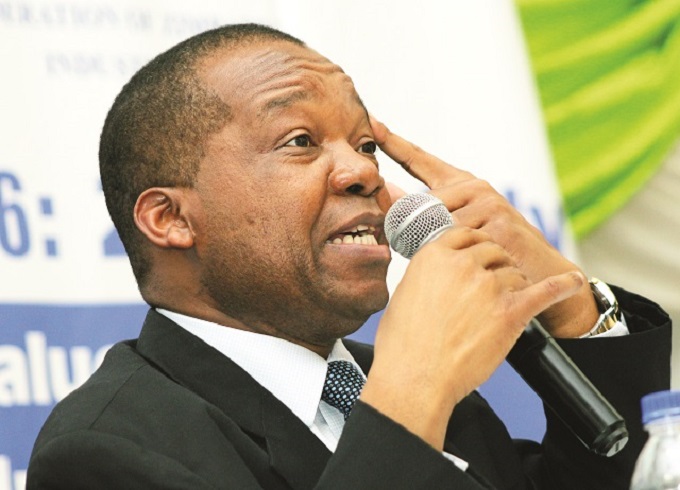
Business Reporter
ZIMBABWE’s microfinance sector has continued to register a strong performance with only one of the deposit-taking institutions failing to meet the prescribed capital requirement of $5 million during the period ended December 31, 2018.
A total of 205 microfinance institutions (MFIs) were operational as at December 31, 2018 with six of them being in the deposit-taking sub-sector.
In the 2019 monetary policy statement presented last week, Reserve Bank of Zimbabwe (RBZ) Governor Dr John Mangudya said the microfinance sector maintained a positive growth trajectory during the period under review with notable growth being recorded in outreach, loan portfolio size, equity funding, and deposit mobilisation.
He said the microfinance sector registered a 36,04 percent increase in aggregate equity over the review period from $92,65 million as at September 30, 2017, to $126,04 million as at September 30, 2018.
“However, the sector’s equity was under threat from increased portfolio at risk and high operational costs.
“Lack of long-term sustainable funding continues to militate against increased outreach and impact of credit-only microfinance institutions on the low income and marginalised,” he said.
Dr Mangudya urged microfinance shareholders to inject additional capital in order to come up with stronger, more sustainable and well-funded institutions.
The sector registered a 55,14 percent increase in total portfolio over the year from $175,41 in 2017 to $272,13 million as at September 2018, on the back of increased demand for micro-credit by both micro and small enterprises as well as individuals.
Total number of deposit-taking microfinance institutions branches increased by 69 percent from 16 in 2017 to 27 as at December 31 last year.
The sub-sector recorded a 302 percent growth in the number of account holders from 6 441 in 2017 to 25 906 in 2018.
“Capital levels for the deposit-taking microfinance institutions sub-sector grew from $39,20 million in 2017 to $63,78 million.
“However, one institution’s capital level was in breach of the minimum prescribed capital requirement of $5 million and shareholder efforts are underway to regularise the capital position of the institution,” said Dr Mangudya.
He said the six operating deposit-taking microfinance institutions were playing a significant role in promoting access to formal financial services by marginalised segments and urged players in the sub-sector to continue raising capitalisation levels to create capacity to underwrite significant business across economic sectors.
Meanwhile, total loans and deposits for the MFI sector increased from $62,02 million as at December 2017 to $84,40 million.
Dr Mangudya said growth in loans was largely financed by deposits, lines of credit and shareholder loans.
On the other hand, the credit-only microfinance institutions also registered strong performance as the sub-sector’s total assets registered a 58,30 percent growth in over the year from $211,83 million as at 30 September 2017 to $335,33 million as at September 30, 2018, driven by the growth in total loans.
“The sector continued to make inroads in the financial inclusion space, registering an 18 percent increase in the number of active clients over the year from 235 885 as at September 30, 2017, to 278 583 as at September 2018.
“The number of women borrowers has been on an upward trend over the review period with women borrowers accounting for 53,20 percent of the total active clients in the microfinance industry, up from 40,28 percent recorded in September 2017,” said Dr Mangudya.
According to the RBZ, access to the Central Bank’s empowerment facilities such as the women empowerment facility and the business linkage facility has contributed significantly to the increase in the number of women borrowers.



 Online Reporter
 Bongani Ndlovu